

Most people think the workout is where progress happens.
It isn’t.
The workout is simply the signal. Recovery is where your body responds to that signal by rebuilding, adapting, and becoming stronger.
That’s one of the biggest misconceptions in fitness. People often believe that working harder always leads to better results. Then they wonder why they feel worn down, constantly sore, or like they’ve hit a plateau.
If your body never gets the chance to recover, it never gets the chance to improve.
Recovery isn’t something you earn after a workout. It’s part of the workout.
Whether your goal is building strength, losing body fat, improving athletic performance, or simply feeling better throughout the day, these exercise recovery tips will help you get more from every session without spending another hour in the gym.
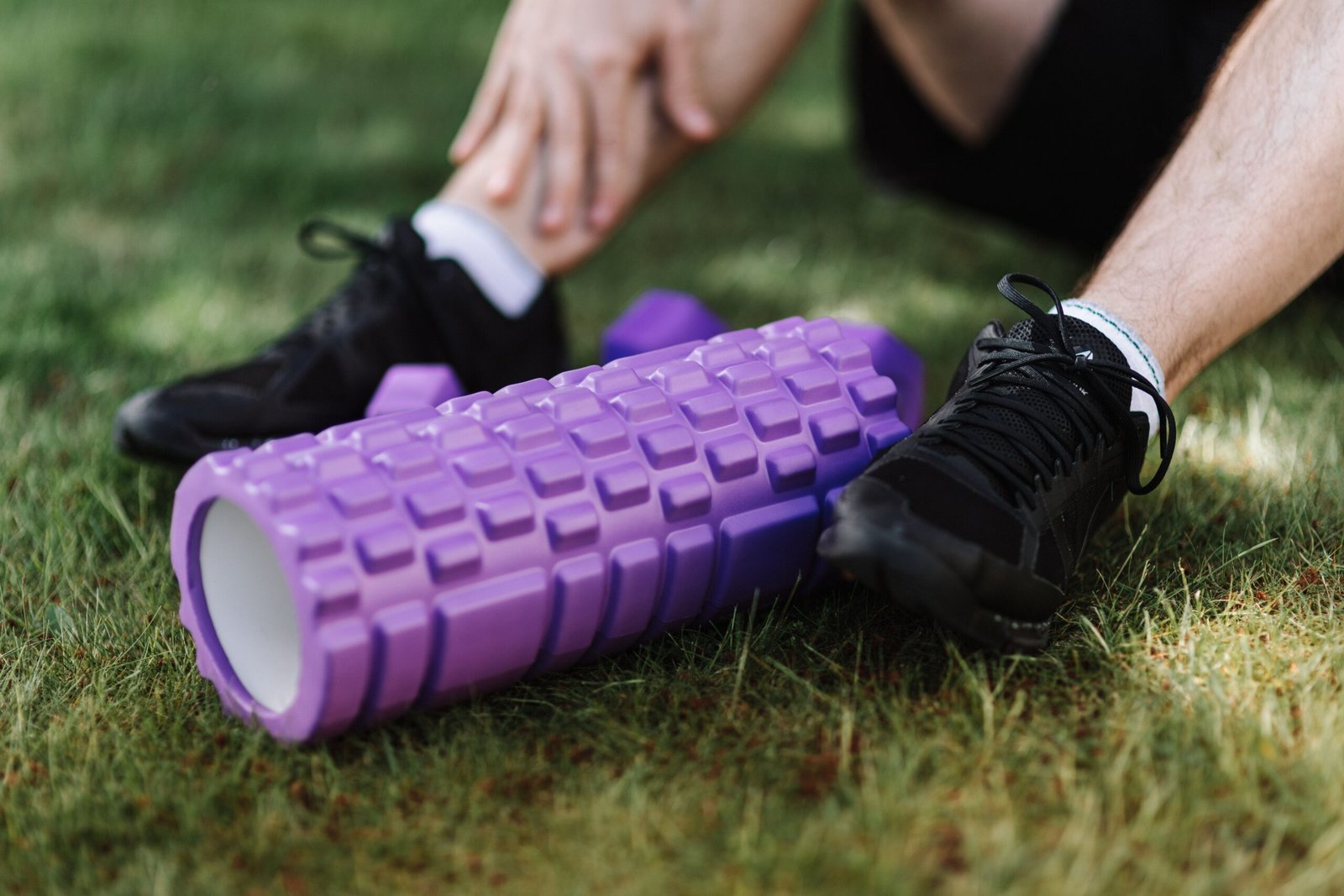
Why Exercise Recovery Tips Matter
Every workout places stress on your muscles, joints, connective tissue, and nervous system.
That’s normal.
In fact, that stress is necessary.
Your body responds by repairing damaged muscle fibers, improving movement patterns, replenishing energy stores, and preparing itself to handle that challenge more efficiently the next time.
But none of that happens if recovery is ignored.
Training breaks the body down.
Recovery builds it back up.
Once you understand that, you stop looking at recovery as “taking a day off” and start seeing it as an investment in better performance.
Exercise Recovery Tip #1: Prioritize Sleep
If I could recommend only one recovery strategy, it would be sleep.
Nothing else comes close.
During sleep your body repairs muscle tissue, releases important hormones, restores energy, and gives your brain a chance to reset.
You can have the perfect workout plan and the perfect nutrition plan, but if you’re consistently sleeping five or six hours a night, you’re making progress much harder than it needs to be.
Most adults should aim for seven to nine hours of quality sleep each night.
It’s not always possible, but it should always be the goal.
One extra hour of quality sleep each night often produces better results than adding another workout.
Exercise Recovery Tip #2: Eat Enough Protein
Your muscles can’t rebuild without the materials they need.
Protein provides those building blocks.
After resistance training, your body begins repairing microscopic damage within the muscle fibers. That repair process is what eventually leads to stronger, more resilient muscles.
Skipping protein or consistently under-eating makes recovery slower and less effective.
You don’t need to obsess over every gram.
Just make sure you’re eating enough high-quality protein consistently throughout the day.
Recovery isn’t about one perfect meal.
It’s about good habits repeated over time.
Exercise Recovery Tip #3: Stay Hydrated
Water is involved in almost every process inside the body.
It helps transport nutrients, regulate body temperature, support joint health, and maintain performance.
Even mild dehydration can leave you feeling sluggish during workouts and slow your recovery afterward.
A simple habit that makes a difference is drinking water before you feel thirsty.
If you’ve completed a hard workout and your urine stays dark for hours afterward, you’re probably playing catch-up.
Hydration doesn’t have to be complicated.
Drink consistently throughout the day instead of trying to replace everything after your workout is over.
Exercise Recovery Tip #4: Keep Your Body Moving
Recovery doesn’t always mean complete rest.
Sometimes the best thing you can do is move.
A light walk.
Gentle mobility work.
Easy cycling.
Stretching.
These activities increase circulation without placing significant stress on the body.
That improved blood flow helps deliver nutrients where they’re needed while reducing stiffness after harder training sessions.
Think of recovery days as opportunities to help your body feel better—not excuses to do nothing.
Exercise Recovery Tip #5: Don’t Ignore Stress
When people hear the word “stress,” they usually think about work, finances, relationships, or family.
Rarely do they connect that stress to how well they recover from a workout.
But your body doesn’t separate those things.
A hard training session is stress.
A poor night’s sleep is stress.
An argument with your spouse is stress.
A demanding job is stress.
Your nervous system has to process all of it.
I’ve seen people blame their workout program when the real issue was everything happening outside the gym. They weren’t undertraining—they were overloaded.
That doesn’t mean you stop training. It means you become aware of the total amount of stress you’re asking your body to handle.
Some weeks your body can do more.
Some weeks it needs a little less.
Learning to recognize the difference isn’t weakness.
It’s wisdom.
Exercise Recovery Tips #6: Train With a Plan
One of the fastest ways to stall progress is to make every workout a test.
If every session leaves you completely exhausted, eventually your body starts pushing back.
Progress comes from consistency, not constant exhaustion.
Have a plan.
Know why you’re doing each workout.
Some days should challenge you.
Other days should help you recover while still moving.
Professional athletes don’t train at maximum intensity every day.
Neither should you.
The goal isn’t to prove how hard you can work today.
The goal is to keep showing up six months from now.
Exercise Recovery Tips #7: Give Your Body Time
This might be the hardest one to accept.
We all want results now.
We want to feel stronger next week.
We want the scale to move tomorrow.
We want soreness to disappear overnight.
But your body doesn’t work on your timeline.
It works on biology.
Real strength takes time.
Real recovery takes time.
Real change takes consistency.
Most people don’t fail because they’re doing the wrong things.
They fail because they stop doing the right things before those things have time to work.
Patience isn’t passive.
Patience is continuing to do the work when you haven’t seen the reward yet.

Putting These Exercise Recovery Tips Into Practice
If you remember only one thing from this article, let it be this:
Recovery isn’t something you do after training.
Recovery is part of training.
You don’t become stronger because you worked harder than everyone else.
You become stronger because your body had the opportunity to adapt.
That’s why sleep matters.
That’s why nutrition matters.
That’s why hydration matters.
That’s why managing stress matters.
They’re all working toward the same goal—helping your body recover so it can perform again tomorrow.
Small habits practiced consistently will always beat perfect habits practiced occasionally.
Start with one change.
Build from there.
Then keep going.
Here’s The Path
Fitness has spent years convincing people that progress comes from doing more.
More workouts.
More intensity.
More volume.
Sometimes that’s true.
But sometimes the most productive thing you can do is give your body what it needs to recover.
Recovery isn’t lazy.
Recovery is preparation.
It’s what allows you to come back stronger, think more clearly, move better, and keep training for years instead of months.
The strongest people I know aren’t the ones who can push the hardest.
They’re the ones who know how to balance effort with recovery.
Continue Learning
If this article helped you, these are great next reads:
- Why Strength Training Improves More Than Just Muscle
- How Strength Training Helps Regulate Your Nervous System
- How Often Should You Strength Train?
Start Here
Download the Free Full Armor Nervous System Reset Guide and begin building simple daily habits that support recovery, resilience, and long-term health.
Free Guide 👇:
https://fullarmorhq.com/free-guide/
If You Want to Go Deeper…
The 21 Day Full Armor Method helps you put these principles into practice with a structured approach that combines movement, recovery, mindset, and nervous system regulation into one daily system.
21 Day Full Armor Method 👇:
https://fullarmorhq.com/fullarmormethod/
No responses yet