
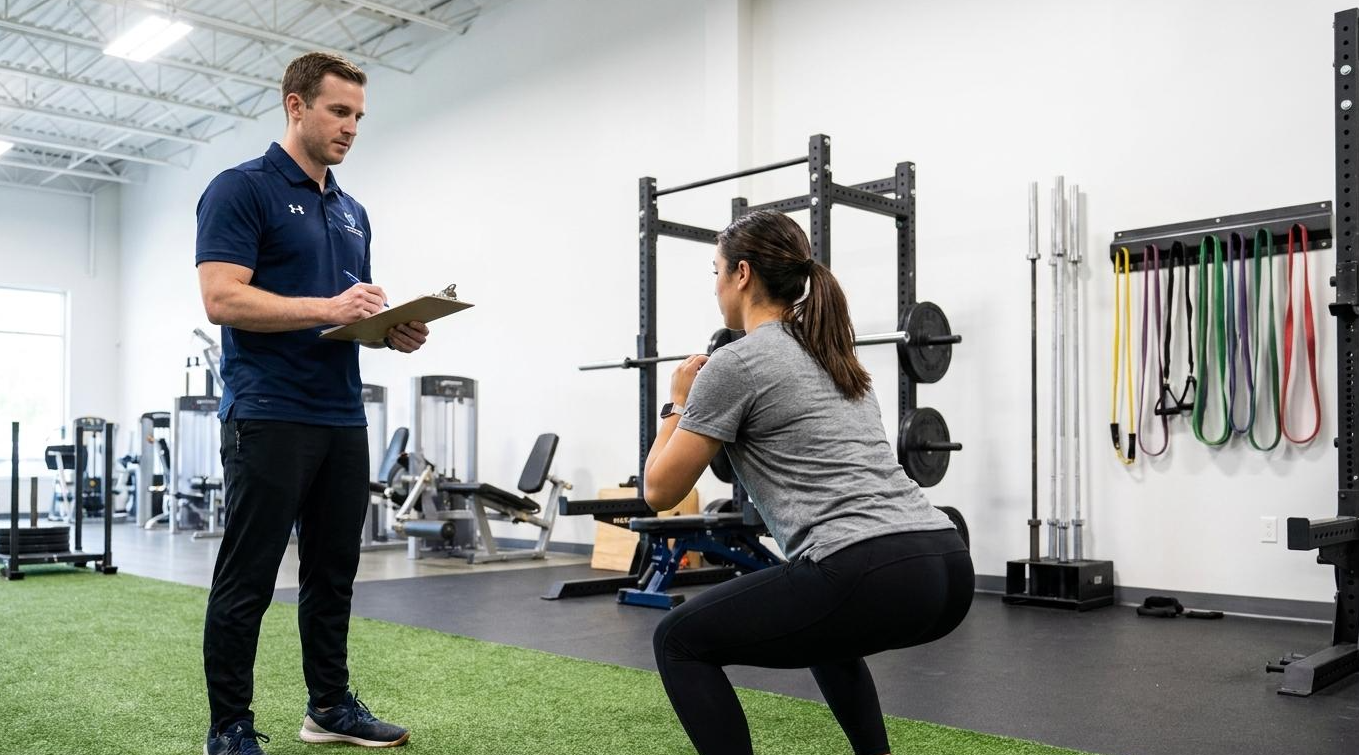
You can find a personal trainer who knows hundreds of exercises, understands sets and repetitions, and can put together a workout that leaves you exhausted.
But does that make them a good personal trainer?
Not necessarily.
Knowing how to exercise and knowing how to coach another person are two different skills. One requires knowledge of training. The other requires knowing how to apply that knowledge to an individual human being.
A trainer might understand strength, conditioning, mobility, and exercise technique. But can they recognize what someone actually needs? Can they explain why they’re prescribing a particular exercise? Can they adapt when something isn’t working? Can they challenge a client without losing sight of their health, recovery, and long-term progress?
Those are the questions worth asking.
A good personal trainer doesn’t simply deliver a workout. They observe, listen, teach, make decisions, and help someone develop the capacity to improve.
Whether you’re hiring a trainer for the first time, returning to exercise after years away, or trying to break through a plateau, understanding these qualities can help you recognize the difference between someone who keeps you busy and someone who genuinely coaches you.
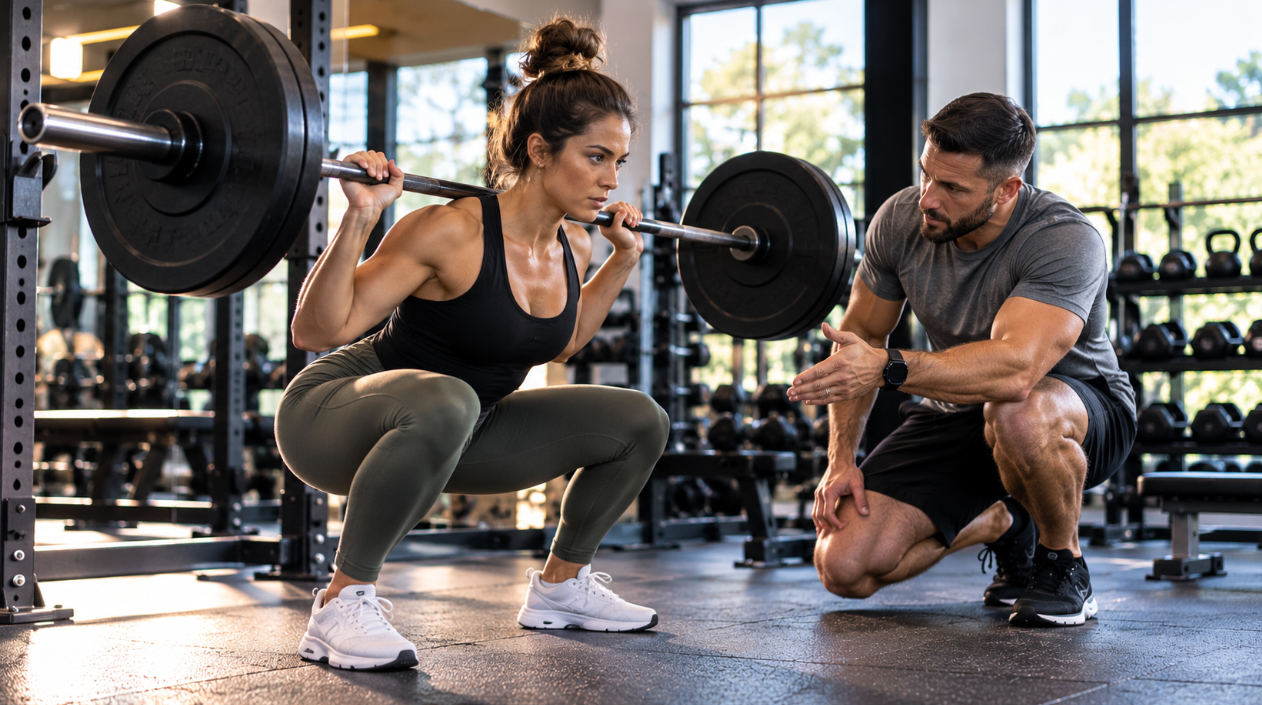
A Good Personal Trainer Listens Before Prescribing a Program
Imagine walking into a gym for your first session. Before the trainer knows much about you, they’re already explaining their program. The exercises are selected, the schedule is set, and the plan looks exactly like what they give everyone else.
You might get a challenging workout. But how much of it was actually designed for you?
Good coaching begins with curiosity.
A trainer should want to understand your goals, training history, current abilities, preferences, and the circumstances that affect your ability to exercise consistently.
What are you trying to accomplish? What have you tried before? What has worked? What hasn’t? How much time can you realistically commit? Are there relevant injuries, medical considerations, or movement limitations that need to be addressed?
These questions help a trainer make informed decisions rather than assumptions.
Someone preparing for a sport has different needs from someone who wants to rebuild basic strength. A beginner may need to develop confidence with fundamental movements, while an experienced lifter may need a more specific progression.
Even two people with the same goal can require different programs.
Listening also continues after the initial consultation. A good trainer pays attention to how you respond, asks for feedback, and recognizes when your circumstances or goals change.
The program should be built around the person—not the person forced to fit the program.

A Good Personal Trainer Understands Why an Exercise Is Being Prescribed
Knowing how to demonstrate an exercise is not the same as knowing when to use it.
Take the squat. A trainer can demonstrate the movement, count repetitions, and tell you to add weight. But good coaching involves asking what the exercise is intended to accomplish and whether it is appropriate for the person performing it.
Can the client perform the movement with sufficient control? Does the variation suit their current abilities? Is the load appropriate? Would a modification help them develop the quality we’re trying to improve?
Sometimes the answer is to continue and progress. Sometimes it’s to change the setup, adjust the range of motion, reduce the load, or choose a different variation.
There isn’t one perfect exercise for every person.
The same principle applies to program design. Progressive overload is important for developing strength and muscle, but it doesn’t mean adding weight every session regardless of performance. Progress might involve better technique, additional repetitions, improved control, or a carefully planned increase in workload.
A good trainer understands the principles behind the program well enough to make decisions when reality doesn’t match the plan.
They don’t rely on exercise variety just to make sessions interesting. They choose movements for a reason, understand how those movements relate to the client’s goals, and evaluate whether the approach is working.
That’s the difference between demonstrating exercises and coaching someone through a process.
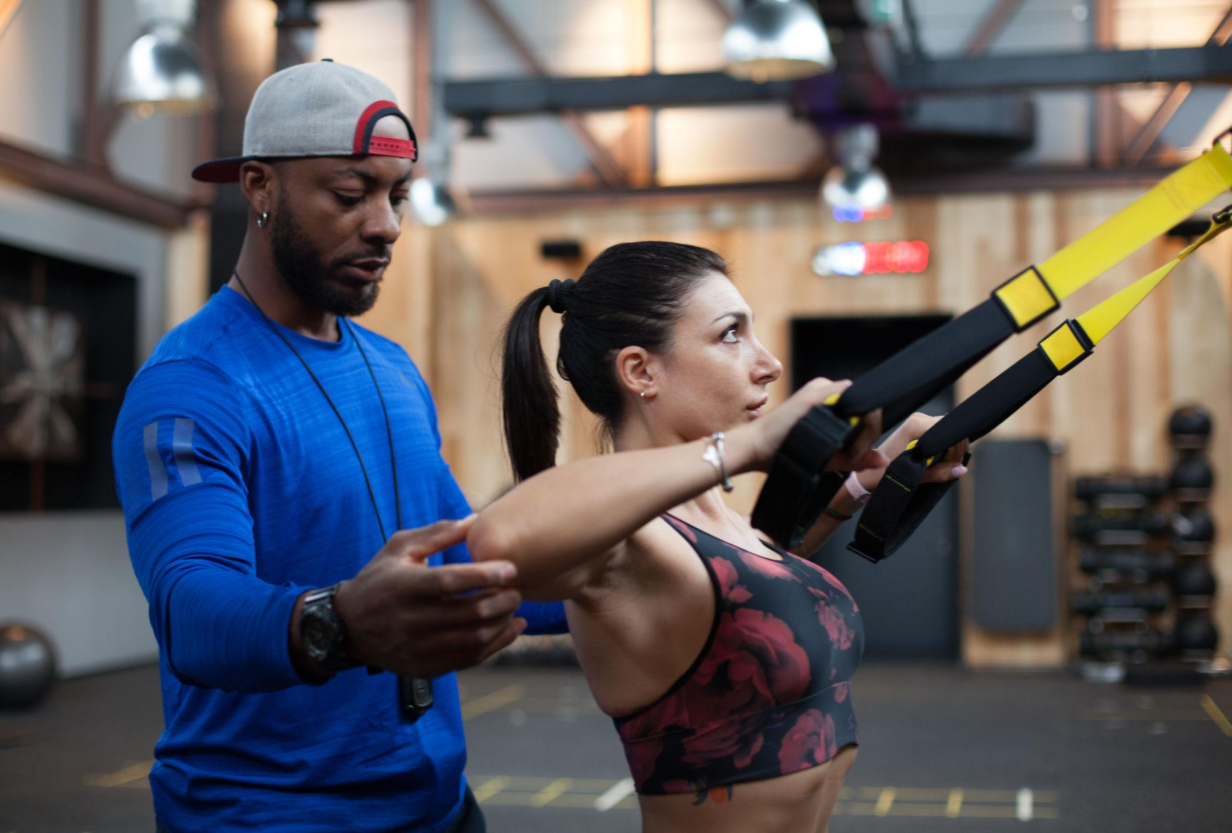
A Good Personal Trainer Knows When to Push and When to Adjust
One of the easiest mistakes in fitness is assuming that harder always means better.
Training needs to provide an appropriate challenge. Building strength, muscle, endurance, and athletic performance requires effort and progression. But a workout can be exhausting without being the best workout for that person.
Good trainers understand the difference between productive effort and unnecessary fatigue.
Consider someone who arrives after several nights of poor sleep and an unusually demanding week. The trainer doesn’t automatically need to cancel the session, but they shouldn’t ignore the situation either.
They can assess how the client feels and performs, consider the planned workload, and decide whether the session should proceed as designed or be adjusted.
The same judgment matters when someone struggles with an exercise. Repeatedly demanding more effort isn’t always the answer. The person may need better instruction, a different variation, more practice, or a more appropriate progression.
On the other hand, a trainer shouldn’t hold a client back unnecessarily. When performance, technique, and recovery support progression, the program should reflect that.
Good coaching requires judgment.
It means knowing when to challenge someone, when to simplify a task, when to modify the workload, and when a concern needs to be referred to an appropriate healthcare professional.
The goal isn’t to make every session harder. It’s to make the training productive.
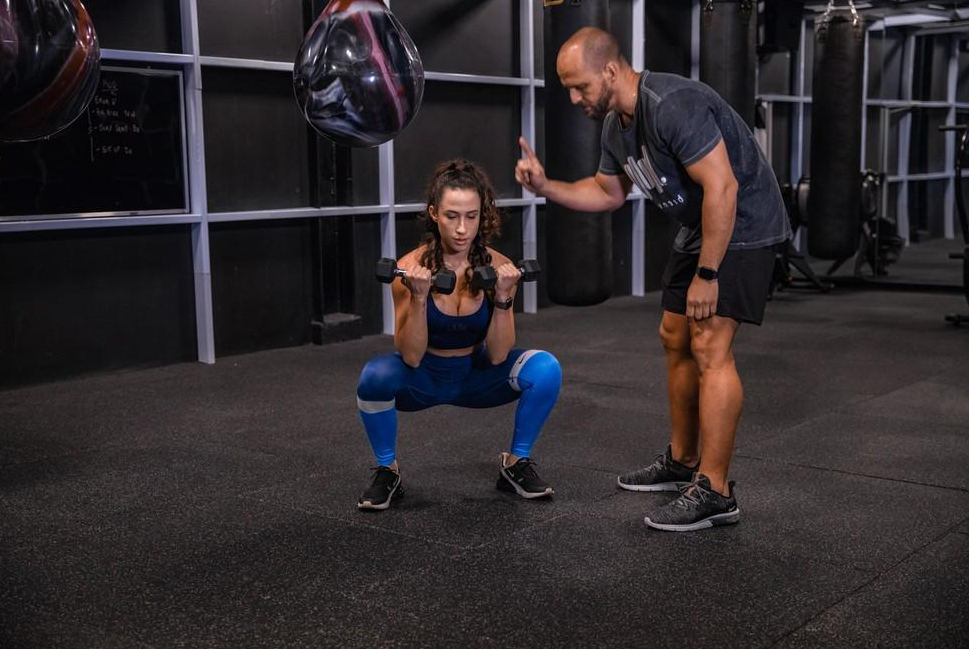
A Good Personal Trainer Sees the Connection Between Training and Recovery
Your workout doesn’t happen in isolation from the rest of your life.
Sleep, nutrition, daily activity, stress, and other physical demands influence how you feel and how well you respond to training. A trainer who ignores these factors may miss important context when evaluating progress.
This doesn’t mean a personal trainer must become a doctor, therapist, or dietitian. Good professionals understand the limits of their expertise and refer clients when a concern falls outside their scope.
It means recognizing that exercise is one part of a broader system.
Someone who is consistently struggling to recover may need their training volume reviewed alongside general recovery habits. An athlete may need strength sessions coordinated with sport practice. A beginner may benefit from a manageable schedule that allows consistency to develop before more demanding work is introduced.
The nervous system is part of this picture. It helps coordinate movement and participates in the body’s response to physical and psychological demands. Breathing practices may help some people manage arousal and develop greater awareness of their physical state.
But a good trainer doesn’t blame every problem on the nervous system or promise that breathwork can solve every limitation.
They understand that strength training, conditioning, movement work, sleep, nutrition, and recovery each have different roles. The task is to identify which factors matter for the individual and make appropriate decisions.
A trainer should also recognize warning signs that warrant medical evaluation rather than attempting to coach through them.
This broader perspective doesn’t make training complicated for the sake of it. It helps keep the training appropriate to the person.

A Good Trainer Can Explain the Reasoning Behind the Plan
Have you ever followed a workout without understanding why you were doing it?
You showed up, completed the exercises, and followed instructions. But if someone asked what the session was intended to improve, you couldn’t give a clear answer.
A trainer doesn’t need to explain every technical detail during every repetition. But over time, you should understand the basic reasoning behind your training.
Why are you performing this exercise? How does it relate to your goal? What are you trying to improve? How will you know when you’re ready to progress?
Good trainers can answer these questions in language their clients understand.
They don’t hide behind jargon or make training seem mysterious. They help clients recognize the purpose behind the work.
Research on exercise professionals’ interpersonal behavior supports the importance of this relationship. A systematic review of 35 empirical studies found that autonomy-supportive behavior by exercise professionals was relevant to motivation and exercise adherence, although the authors noted that more longitudinal research was needed.
That doesn’t prove that explaining every exercise will guarantee adherence. It does support taking the coaching relationship seriously.
When clients understand their training, they can participate more meaningfully in decisions, recognize progress, and develop skills they can use independently.
The trainer remains responsible for providing competent coaching, but the client becomes an informed participant rather than someone simply following orders.
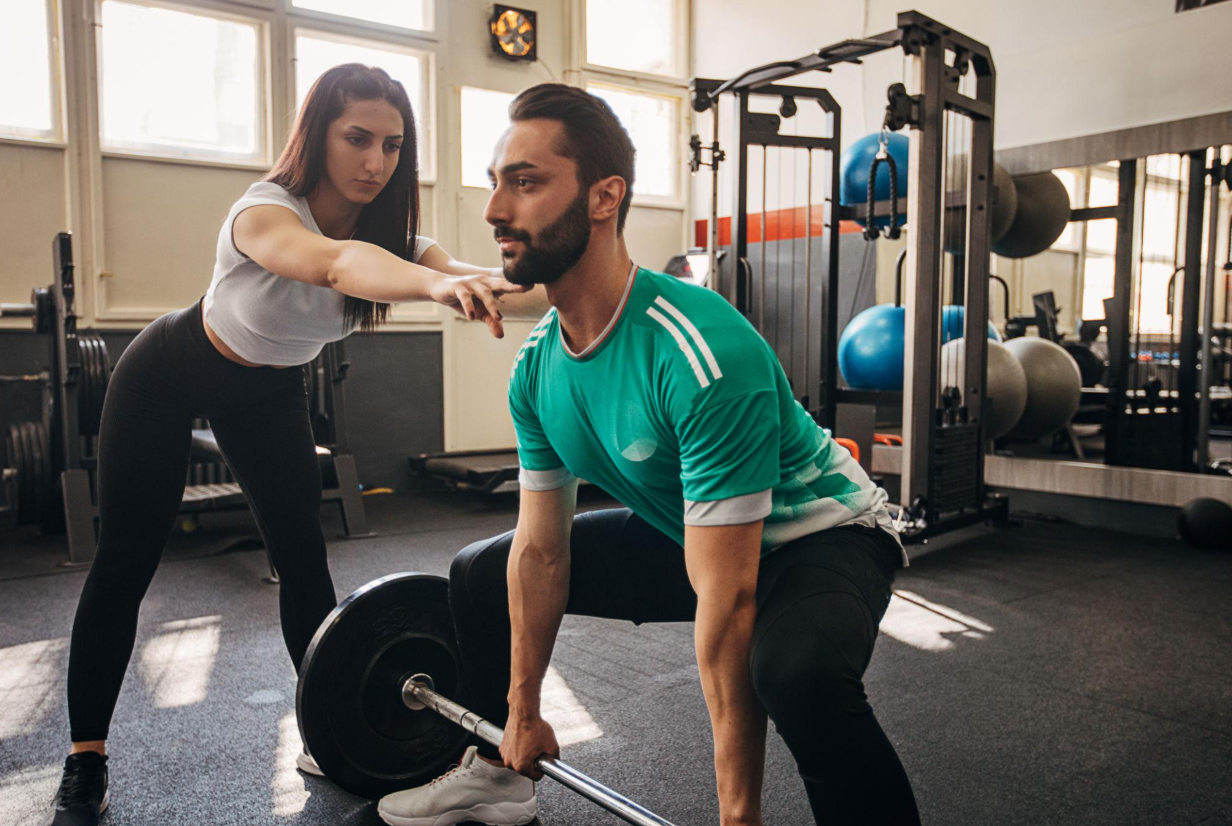
A Good Trainer Builds Trust and Holds You Accountable
Trust doesn’t mean a trainer always agrees with you or makes every session comfortable.
Good trainers can be direct. They can explain when your habits aren’t supporting your goals, point out when consistency is lacking, and challenge you to take responsibility.
The difference is how they do it.
There is a difference between honest accountability and humiliation. One helps someone recognize a problem and decide how to address it. The other uses shame to pressure them into compliance.
A good trainer can acknowledge that missing scheduled sessions will affect progress without turning the conversation into a judgment about your character.
They can recognize that life gets complicated while still helping you find a realistic way forward.
Trust also means being able to speak openly. If something hurts, an exercise feels inappropriate, or the program isn’t working as expected, you should feel comfortable raising the issue.
The trainer should take that feedback seriously, evaluate what is happening, and make an appropriate decision.
They shouldn’t promise results they cannot guarantee, dismiss legitimate concerns, or make you feel that questioning their approach is a sign of weakness.
A good professional combines high standards with respect.
They challenge you because they want to help you improve—not because they need to prove how tough they are.

A Good Personal Trainer Measures Progress and Helps You Become More Independent
Sweating isn’t a reliable measure of training quality. Neither is soreness.
A difficult session can be appropriate, but neither exhaustion nor muscle soreness automatically demonstrates that you’ve made meaningful progress.
A good trainer identifies relevant ways to measure improvement.
Depending on your goals, these might include strength, repetitions completed at a given load, conditioning performance, movement control, consistency, or sport-specific measures.
They review the results over time, explain what those results mean, and adjust the program when necessary.
They also understand that progress isn’t always linear. Performance fluctuates, circumstances change, and different goals require different timelines.
Tracking should help guide decisions rather than create pressure to achieve a new personal best every session.
There is another important measure of good coaching: what happens when you’re not with the trainer.
Are you developing a better understanding of your body? Do you understand the habits that support your progress? Can you recognize the purpose of your program and make sensible decisions within your capabilities?
A trainer shouldn’t deliberately make basic training knowledge feel inaccessible to keep a client dependent.
Of course, there will always be value in expert coaching, especially for complex goals and performance demands. Independence doesn’t mean you no longer need professional guidance.
It means you are becoming more capable of participating in your own progress.
A good trainer doesn’t just help you complete today’s workout. They help you build the understanding and habits that make tomorrow’s progress possible.
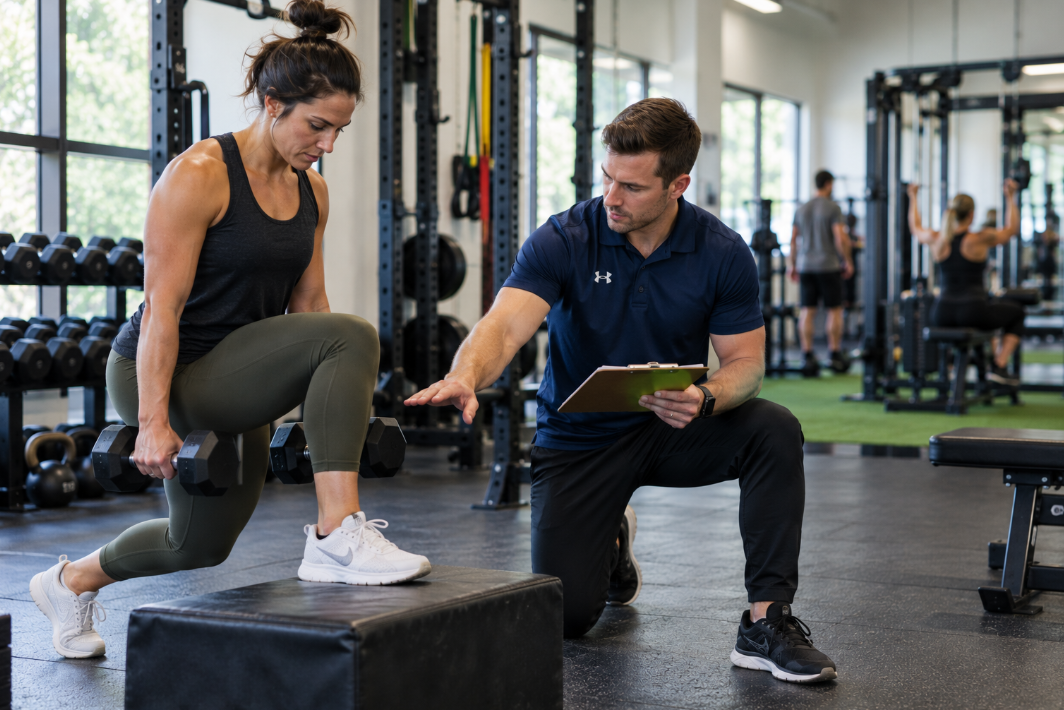
How to Recognize a Good Personal Trainer Before You Commit
You don’t have to know everything about exercise to evaluate a trainer. You can learn a lot from the questions they ask, how they respond to your concerns, and whether they can explain their approach clearly.
During an initial conversation, pay attention to whether the trainer:
- Asks about your goals, training history, and current abilities before prescribing a program.
- Explains how they plan to approach your goals and evaluate progress.
- Can adapt exercises to your needs instead of insisting on one method for everyone.
- Takes recovery, safety, and relevant health concerns seriously.
- Communicates honestly without relying on shame, fear, or unrealistic promises.
- Welcomes reasonable questions and feedback.
- Has appropriate qualifications, relevant experience, and a clear understanding of their professional scope.
You can also ask how they decide when to progress a program, what happens when an exercise isn’t working, and how they measure results.
You aren’t looking for a trainer who claims to have all the answers. You’re looking for someone who knows their field, can explain their reasoning, recognizes their limitations, and makes thoughtful decisions.
The right fit matters, too. A trainer can be technically knowledgeable and still not be the best coach for your goals, preferences, or communication style.
Look for competence, judgment, and a relationship that allows you to learn and progress.
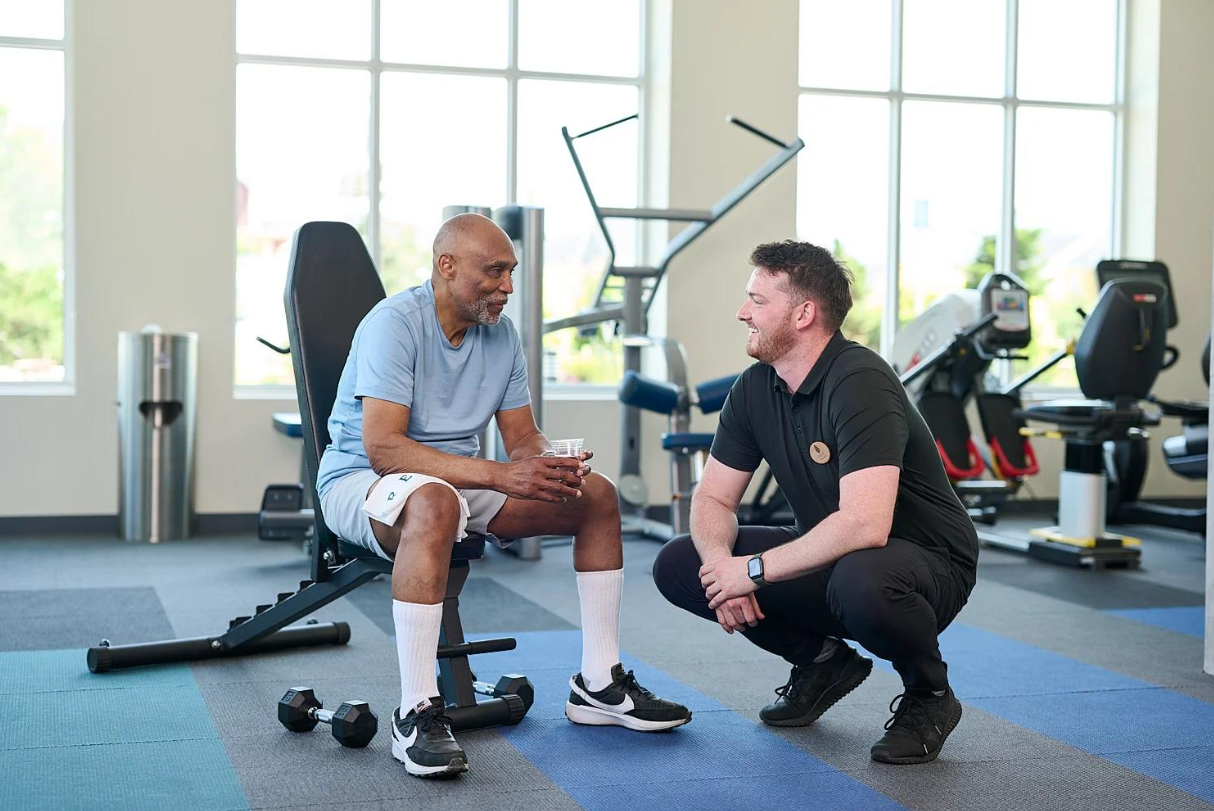
The Real Measure of a Good Personal Trainer
The best measure of a trainer isn’t how complicated their program looks or how exhausted you feel when a session ends.
It’s whether their knowledge and coaching help you make meaningful progress.
They listen before prescribing. They understand the purpose behind the work. They recognize when to challenge you and when to adjust. They communicate clearly, respect your circumstances, and take responsibility for making informed decisions within their professional scope.
They also understand that you are more than a set of performance numbers.
Your goals matter. Your health matters. Your time matters. And the ability to sustain progress matters.
Good personal training brings those considerations together without losing sight of the fundamental work required to improve.
You still need to show up. You still need to put in the effort. You still need to follow through on the habits that support your goals.
A good trainer doesn’t remove your responsibility.
They help you understand how to use it.

Looking for Personal Training That Goes Beyond the Workout?
Understanding what makes a good personal trainer is the first step. The next is finding an approach that considers your goals, movement, strength, performance, and recovery as part of the bigger picture.
At Full Armor HQ, personal training is built around helping you become stronger, move better, and develop the physical capacity to meet the demands of everyday life.
Explore Personal Training at Full Armor HQ

Here’s The Path
Start by asking yourself what you actually need from a trainer.
Do you need someone to teach you the fundamentals? Someone to help you develop strength and conditioning? Someone who can guide you toward a specific performance goal? Or someone who can help you make sense of your training, recovery, and consistency?
Get clear about that first.
Then look for a trainer who listens, asks thoughtful questions, explains their decisions, and can show you how the program connects to your goals.
Pay attention to how they respond when something doesn’t work. Notice whether they treat feedback as useful information or as a challenge to their authority. Ask how they measure progress and what they expect you to learn along the way.
And remember that a good coaching relationship is a partnership. The trainer brings knowledge, structure, observation, and guidance. You bring your effort, honesty, participation, and willingness to learn.
Neither side can replace the other.
When those pieces work together, training becomes more than a series of appointments. It becomes a process of developing physical capability, understanding what helps you progress, and building habits you can carry into the rest of your life.
That’s what good coaching should make possible.
The Research Behind This Article
The following PubMed-indexed research examines the relationship between coaching behavior, motivation, communication, and exercise participation. These studies support specific points in the article; they do not prove that any single coaching style guarantees success.
Can Interpersonal Behavior Influence the Persistence and Adherence to Physical Exercise Practice in Adults? A Systematic Review
Rodrigues F, Bento T, Cid L, et al. Frontiers in Psychology. 2018;9:2141. Published November 6, 2018.
This systematic review examined 35 empirical studies on interpersonal behavior, motivation, and exercise participation. It identified autonomy-supportive behavior by exercise professionals as relevant to motivation and adherence, while noting the need for more longitudinal research.
Exercise Promotion: Reviewing the Importance of Health Professionals’ Interpersonal Behaviors on Exercisers’ Basic Psychological Needs
Rodrigues F, Macedo R. Perceptual and Motor Skills. 2021;128(2):800–812. Published online December 24, 2020.
This review discusses how health professionals’ interpersonal behaviors relate to exercisers’ psychological needs and motivation. It also considers communication and practical approaches that can support continued exercise participation.
The Effects of Training Group Exercise Class Instructors To Adopt A Motivationally Adaptive Communication Style
Ntoumanis N, Thøgersen-Ntoumani C, Quested E, Hancox J. Scandinavian Journal of Medicine & Science in Sports. 2017;27(9):1026–1034.
This study examined an intervention designed to help group exercise instructors use a more motivationally adaptive communication style. It provides a useful research perspective on how exercise professionals communicate with participants.
Communication Skills Training for Practitioners to Increase Patient Adherence to Home-Based Rehabilitation for Chronic Low Back Pain: Results of a Cluster Randomized Controlled Trial
Archives of Physical Medicine and Rehabilitation. 2017.
This randomized trial found a modest improvement in reported adherence to home-based rehabilitation recommendations following communication-skills training for physiotherapists. The study concerns rehabilitation rather than personal training, so its findings should be applied to coaching with that distinction in mind.
Continue Your Journey
Understanding what makes a good trainer is one part of understanding how training works. These related Full Armor articles explore the broader principles behind movement, strength, and recovery.
- Strength Training and the Nervous System
- Exercise Recovery Tips
- Mobility After 40
- Strength Training Schedule
Start Here
5 Daily Practices to Regulate Your Nervous System
Good training involves more than what happens during a workout. Developing awareness of your breathing, stress responses, and daily habits can help you become more intentional about how you approach recovery and well-being.
Start with the free Full Armor guide and begin putting practical habits into action.
If You Wanna Go Deeper…
The Full Armor 21 Day Method
If you’re ready to take the next step, the Full Armor 21 Day Method provides a structured approach to daily practices involving awareness, breathwork, movement, reflection, and personal growth.
No responses yet