
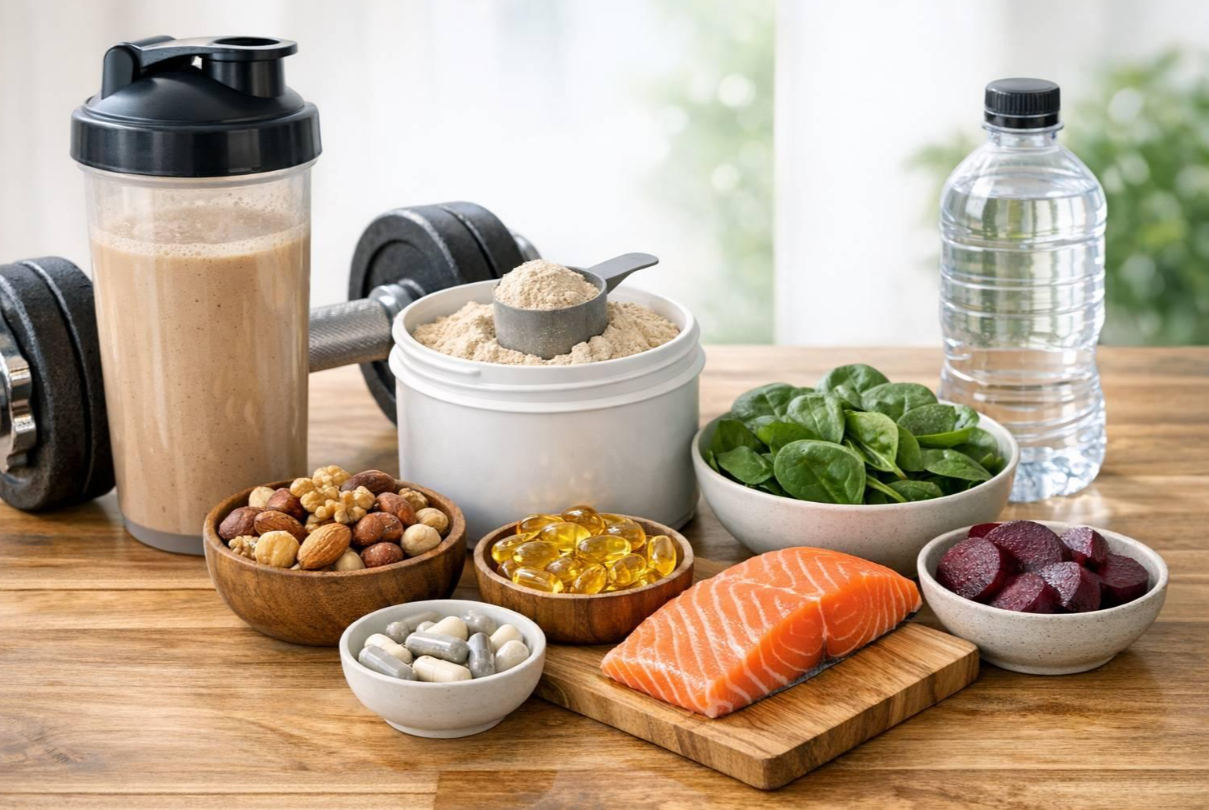
Supplementation can play an important role in supporting overall health, physical performance, recovery, and long-term wellness—but only when you understand what you’re taking, why you’re taking it, and whether your body actually needs it.
Walk into almost any supplement store, and you’ll find shelves filled with protein powders, creatine, amino acids, pref-workout formulas, greens powders, collagen, electrolyte blends, and multivitamins. Every product seems to promise something: more energy, faster recovery, better performance, increased muscle, improved focus, or better health.
But here’s the problem.
More supplements don’t automatically mean better health. More ingredients don’t necessarily mean better results. And a product marketed as natural, advanced, or scientifically formulated isn’t automatically safe.
I’ve become increasingly interested in this subject because I believe it’s one of the most overlooked parts of wellness and fitness. We spend a lot of time discussing exercise, strength, conditioning, and recovery, but we don’t always spend enough time understanding what we’re putting into our bodies.
I want to look at the research, separate meaningful benefits from marketing, and talk about how to approach supplementation without losing sight of what matters most: food, hydration, movement, recovery, and consistency.
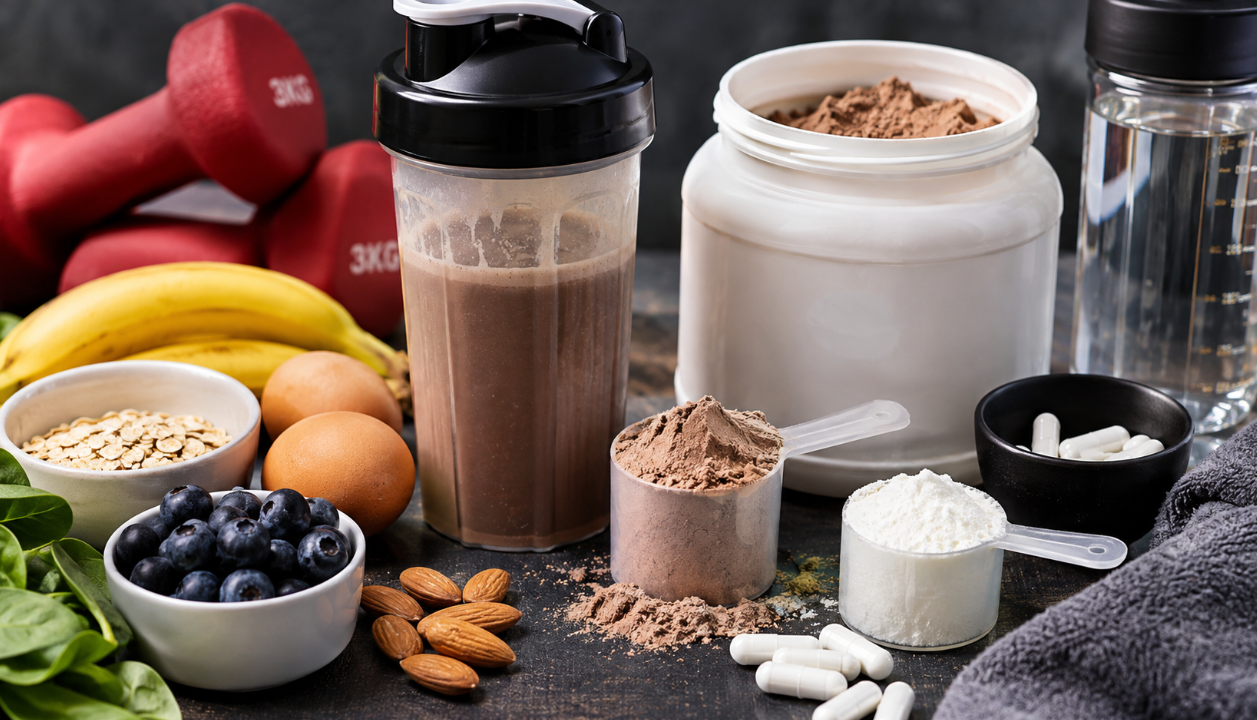
Why Supplementation Matters for Overall Health
Your body is constantly carrying out thousands of biological processes. Muscles contract, nerves communicate, cells produce energy, tissues repair themselves, hormones regulate different functions, and your immune system responds to changing demands.
All of these processes depend on nutrients.
Protein provides amino acids. Vitamins and minerals help regulate metabolic processes. Electrolytes support fluid balance and nerve and muscle function. Creatine helps replenish energy during repeated high-intensity activity.
When your diet doesn’t provide enough of a particular nutrient, supplementation may help fill that gap.
But there’s an important distinction between correcting a nutritional shortfall and adding more of something your body already has enough of.
The first can be beneficial. The second may provide little additional benefit and, depending on the substance and dose, can create unnecessary risks.
I think this is where people get caught up. They see a product associated with better performance or improved health and assume taking it will automatically produce those benefits.
It doesn’t work that way.
The goal should be to understand your individual needs, identify potential gaps, and use supplements strategically.
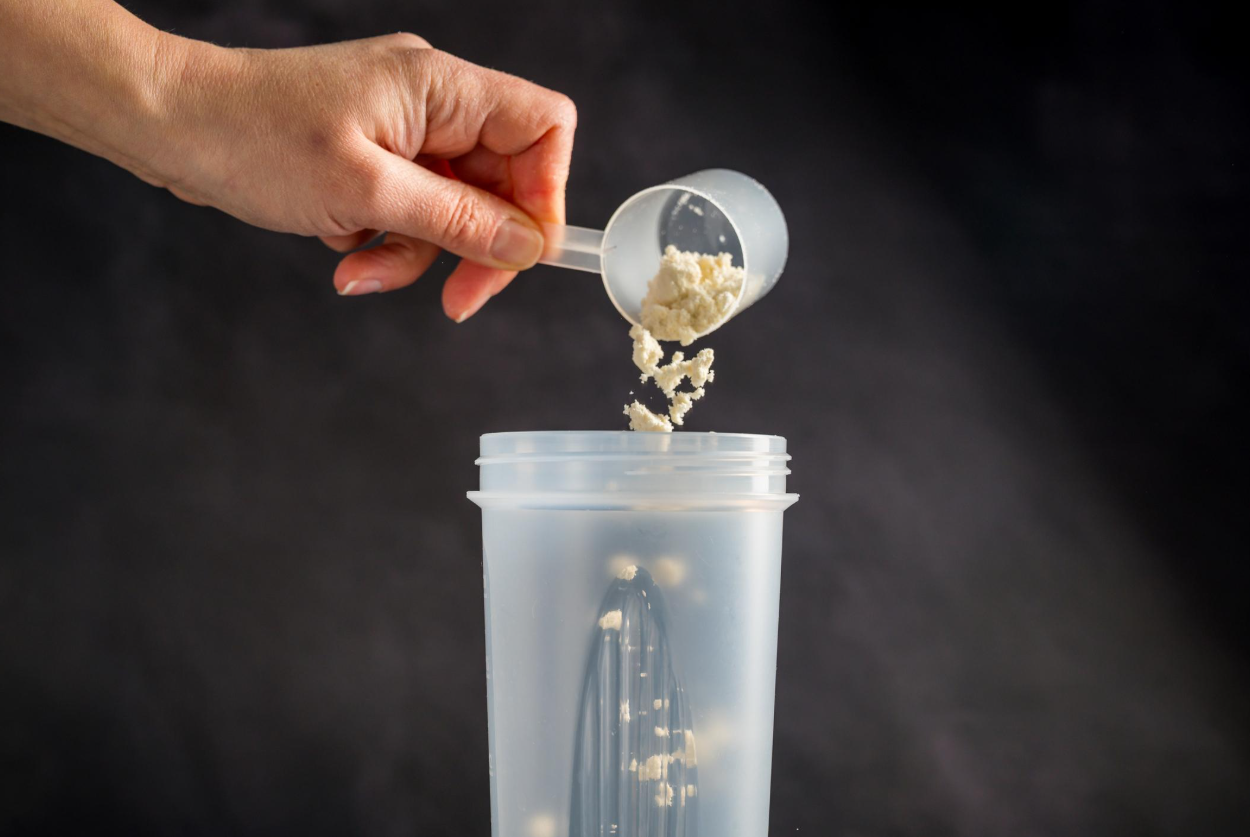
Protein Supplementation: More Than Just Building Muscle
Protein is probably the most recognizable supplement in the fitness industry. But its importance extends well beyond building bigger muscles.
Protein supplies amino acids, which your body uses to build and maintain muscle tissue, produce enzymes, support immune function, and repair and maintain tissues throughout the body.
It’s involved in much more than what happens after a workout.
As we age, maintaining muscle becomes increasingly important. Muscle supports mobility, balance, physical independence, glucose regulation, and the ability to handle everyday physical demands.
Resistance training provides the stimulus. Adequate protein provides the building materials.
Research published in the Journal of the International Society of Sports Nutrition suggests that most exercising individuals can benefit from approximately 1.4–2.0 grams of protein per kilogram of body weight per day, depending on training demands and individual circumstances.
That doesn’t mean everyone needs to consume the same amount.
Your age, body composition, training volume, goals, overall calorie intake, and health status all matter.
Whole-Food Protein vs. Protein Powder
I prefer looking at food first.
Eggs, fish, chicken, lean meat, Greek yogurt, cottage cheese, beans, lentils, and other protein-rich foods provide protein alongside additional nutrients.
Protein powder can be useful when your meals don’t provide enough protein, when you’re traveling, or when you need something convenient after training.
But it should supplement your diet, not replace the foundation of it.
A protein shake isn’t automatically better than a balanced meal. It’s simply another way to deliver protein.
And don’t get caught up thinking you need an expensive protein formula with 20 additional ingredients. Look at the protein source, the amount of protein per serving, the ingredient list, and the quality of the manufacturer.
The simplest product may be the better choice.
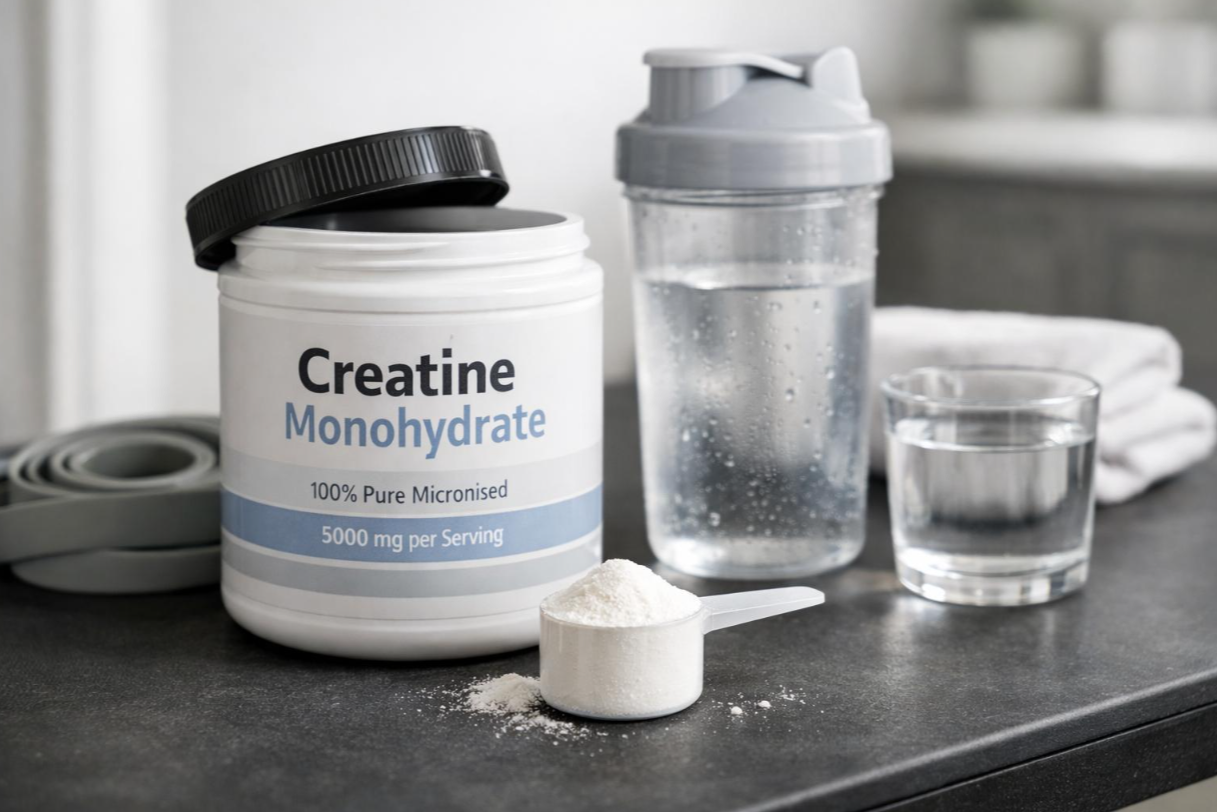
Creatine Supplementation: The Benefits Go Beyond the Gym
Creatine is one of the most researched supplements in sports nutrition, and I think it deserves considerably more attention outside the traditional muscle-building conversation.
Most people associate creatine with weightlifting, bodybuilding, and increasing strength.
Those associations make sense.
Creatine helps your body regenerate adenosine triphosphate (ATP), the primary energy currency used by cells. During short, intense efforts—such as sprinting, jumping, or lifting heavy weights—your muscles rely heavily on this energy system.
Increasing muscle creatine stores can improve the ability to perform repeated high-intensity efforts and support training adaptations.
Creatine monohydrate is the most extensively studied form.
But there’s another reason I’m interested in it: the brain.
Creatine and Brain Health
Your brain is metabolically active and requires a continuous supply of energy. Creatine plays a role in cellular energy metabolism in the brain as well as in skeletal muscle.
Researchers have been investigating whether increasing creatine availability can support cognitive function, particularly under conditions of increased energy demand.
A 2024 systematic review and meta-analysis published in Frontiers in Nutrition examined 16 randomized controlled trials involving 492 participants.
The findings suggested potential benefits in areas including memory, attention, and information-processing time. However, the researchers also noted that the certainty of evidence for several cognitive outcomes was low and that larger, stronger clinical trials are needed.
Another 2024 systematic review reached a more cautious conclusion. It found that creatine can increase creatine concentrations in the brain, but evidence for measurable improvements in cognition remains inconsistent.
That’s an important distinction.
There is a plausible biological mechanism and promising research, but we shouldn’t turn that into a claim that creatine prevents cognitive decline, treats neurological disease, or guarantees better memory.
The research is still developing.
Creatine and the Body Beyond Athletic Performance
Creatine is also being studied in relation to aging, muscle preservation, physical function, and certain clinical populations.
One area of interest is maintaining muscle mass and strength as people get older.
When combined with resistance training, creatine may help improve training capacity and support gains in strength and lean mass.
This matters because maintaining muscle isn’t simply about appearance. It can influence how well someone moves, performs daily activities, and maintains independence.
For most healthy adults interested in supplementation, creatine monohydrate is the form with the strongest evidence.
A common maintenance approach in research is 3–5 grams daily. Loading protocols exist, but they aren’t necessary to benefit from creatine.
People with kidney disease, relevant medical conditions, or medications that affect kidney function should discuss creatine with their healthcare professional before using it. Creatine can also affect blood creatinine measurements, which should be interpreted in context.
The point isn’t that everyone needs creatine.
The point is that this is a supplement worth understanding because its potential applications extend beyond the weight room.
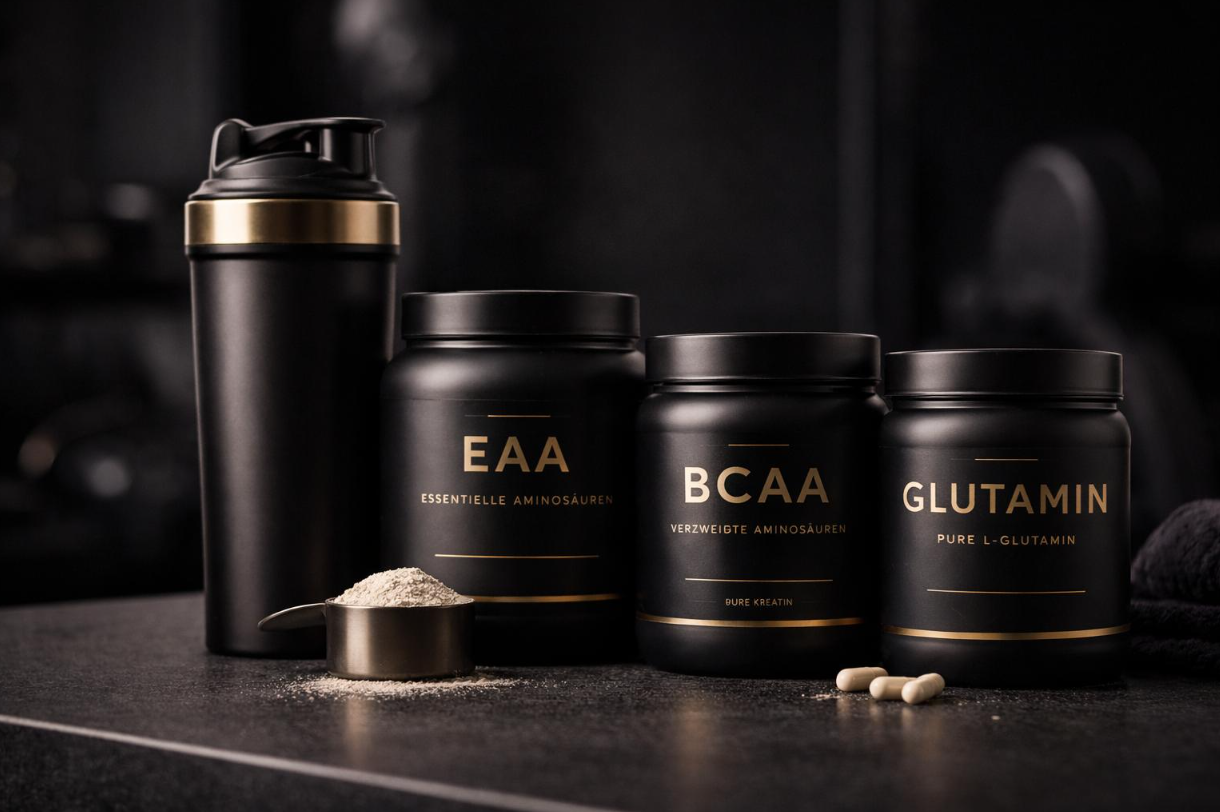
Amino Acid Supplementation: BCAAs vs. EAAs
Amino acids are the building blocks of protein supplmentation.
There are 20 amino acids commonly used to build proteins in the human body. Nine are considered essential because the body cannot produce them in sufficient amounts, so they must come from the diet.
Two categories you’ll frequently see in the supplement industry are BCAAs and EAAs.
What Are BCAAs?
Branched-chain amino acids include:
- Leucine
- Isoleucine
- Aline
These three essential amino acids are particularly important in muscle metabolism.
Leucine, in particular, plays a role in activating signaling pathways involved in muscle protein synthesis.
That’s why BCAA supplements became so popular.
But here’s where the conversation gets interesting.
Your body needs all nine essential amino acids to build new muscle proteins. Supplying only three doesn’t provide the complete collection of building materials.
Research published in Nutrition Research Reviews examined the effects of BCAAs on muscle protein synthesis and breakdown.
The review found that BCAAs can stimulate certain processes involved in muscle protein synthesis, but the response is generally smaller than what occurs after consuming a complete protein source containing all essential amino acids.
In practical terms, if you’re already consuming enough complete protein, a separate BCAA supplement may provide little additional value.
What Are EAAs?
Essential amino acids contain all nine amino acids your body cannot produce on its own.
This makes EAA supplements more complete than BCAA-only products.
Research reviewed in the International Society of Sports Nutrition’s position stand on essential amino acid supplementation supports the ability of EAAs to stimulate muscle protein synthesis.
They may be useful in certain situations, particularly when someone has difficulty consuming adequate protein through food or needs a convenient source of essential amino acids.
But again, context matters.
If you’re eating sufficient high-quality protein throughout the day, you’re already obtaining EAAs.
You don’t necessarily need to purchase another supplement to get them.
My take: Understand the difference between BCAAs and EAAs, but don’t assume either is a requirement for building muscle or recovering from exercise. Start by looking at your total protein intake and the quality of your diet.
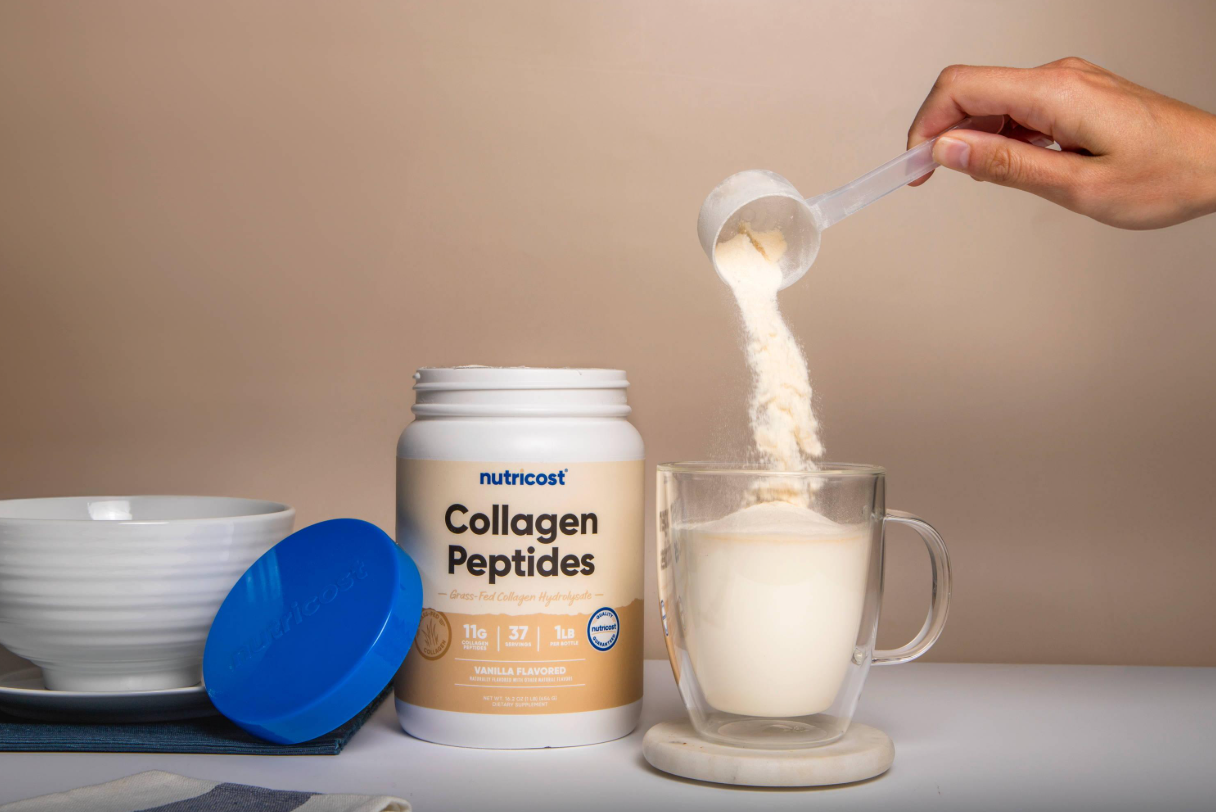
Collagen Supplementation: Supporting Connective Tissue
Collagen is different from the protein powders most people use to support muscle development.
It’s a structural protein found throughout the body, including skin, tendons, ligaments, cartilage, and bones.
As we age, collagen production and tissue characteristics change. This is one reason collagen supplementation has attracted interest in wellness, joint health, skin health, and athletic performance.
Collagen supplements generally contain hydrolyzed collagen peptides, which are broken down into smaller components that can be digested and absorbed.
What Does the Research Say About Collagen?
Research has explored collagen supplementation in relation to:
- Skin hydration and elasticity
- Joint discomfort and function
- Tendon structure
- Connective-tissue adaptation
- Recovery from exercise
A 2026 systematic review examining collagen supplementation and tendon-related outcomes evaluated eight randomized controlled trials involving 257 participants.
Some studies reported improvements in tendon cross-sectional area and stiffness when collagen was combined with resistance or plyometric training.
However, the researchers did not find an additional improvement in muscle strength attributable to collagen, and they noted limitations involving small sample sizes, short study durations, and differences in supplementation protocols.
This is important because collagen isn’t a magic solution for joint pain, tendon injuries, or aging.
It may have a role in supporting connective-tissue adaptation, particularly when combined with appropriate loading and training. But it shouldn’t replace rehabilitation, adequate protein intake, or a properly structured exercise program.
Another important distinction: collagen is not a complete protein and shouldn’t be your primary protein source for building muscle.
Think of it as a potentially useful supplementation for a particular purpose, not a replacement for dietary protein.

Supplementation Safety: What’s Really Inside Those Products?
This is one of the areas I believe deserves much more attention.
Walk into a supplement store, browse online, or look at fitness advertising, and you’ll find products with names designed to grab your attention.
Extreme energy. Maximum performance. Insane pumps. Explosive strength. Total recovery.
The labels are often impressive. The ingredient lists can be complicated. And some products contain large proprietary blends that make it difficult to determine exactly how much of each ingredient you’re consuming.
Some formulations combine caffeine, stimulants, herbal extracts, amino acids, artificial flavors, sweeteners, and other compounds.
The problem isn’t that every multi-ingredient supplement is harmful.
The problem is that you need to know what’s in it, how much you’re taking, whether the ingredients have evidence behind them, and whether they interact with other products or medications.
Pre-Workout Supplementation and Stimulant Overload
Pre-workout products deserve particular attention.
Some contain reasonable, well-studied ingredients at disclosed doses. Others combine multiple stimulants or use proprietary blends that make it difficult to evaluate the total stimulant exposure.
Excessive stimulant intake can contribute to:
- Elevated heart rate
- Increased blood pressure
- Anxiety or agitation
- Sleep disruption
- Digestive discomfort
- Palpitations
And here’s something worth considering: feeling stimulated isn’t the same thing as performing better.
A product that makes you feel wired, energized, and ready to attack a workout doesn’t necessarily improve your actual training quality.
Sleep, recovery, nutrition, hydration, and appropriate training intensity are still fundamental.
If you’re relying on increasingly strong pref-workouts to get through every session, it may be worth asking whether you’re addressing the reason you’re feeling tired in the first place.
Contamination, Undisclosed Ingredients, and Product Quality
The supplement industry is not regulated in the same way as prescription medications.
In the United States, the FDA does not approve dietary supplements for safety and effectiveness before they reach the market. Manufacturers are responsible for ensuring that products meet applicable requirements, and the FDA can take action against adulterated or misbranded products.
The FDA has warned about supplements containing undisclosed pharmaceutical ingredients, prohibited stimulants, and other substances.
This is particularly concerning with products marketed for bodybuilding, rapid weight loss, energy, and sexual enhancement.
There are also concerns involving contamination, including heavy metals and substances that may not appear on the label.
This doesn’t mean every supplement is contaminated. It means you shouldn’t assume a product is safe simply because it’s sold in a store or marketed as natural.
Look for independent third-party testing.
Examples include:
- NSF Certified for Sport
- Informed Sport
- BSCG Certified Drug Free
These programs provide additional assurance about product identity, label accuracy, and screening for certain banned substances or contaminants. Certification doesn’t prove that a product works or that it’s appropriate for every individual, but it can help reduce some purchasing risks.
I would rather see someone use fewer products from reputable manufacturers than fill their cabinet with a dozen questionable formulas.

Hydration: One of the Most Overlooked Parts of Performance
We talk a lot about protein, creatine, and supplements, but hydration deserves to be part of the same conversation.
Water is involved in nearly every physiological process. It supports circulation, temperature regulation, digestion, nutrient transport, and normal cellular function.
When you’re physically active, you lose water and electrolytes through sweat. How much you lose depends on your body size, exercise intensity, training duration, environment, and individual sweat rate.
That’s why telling everyone to drink the exact same amount of water doesn’t make sense.
A person training for 30 minutes in an air-conditioned gym has different needs from an athlete training for two hours in the Florida heat.
Hydration Is Individual
One useful way to estimate fluid loss is to measure your body weight before and after a representative workout.
The calculation is:
Sweat loss (liters) = pref-exercise weight (kg) − post-exercise weight (kg) + fluid consumed (liters) − urine produced (liters).
Divide that number by the duration of the workout in hours to estimate sweat rate.
For example:
An athlete begins a one-hour workout weighing 80 kilograms. After training, the athlete weighs 79.2 kilograms and consumed 0.5 liters of fluid. No urine was produced during the session.
The estimated sweat loss is:
0.8 + 0.5 = 1.3 liters per hour.
That’s an estimate, not a prescription to drink 1.3 liters every hour. The goal is to use the information to develop a reasonable hydration strategy that avoids excessive fluid loss and overdrinking.
Practical Hydration Examples
Someone doing a short, moderate workout: Water is generally sufficient when the session is under an hour, conditions are comfortable, and sweat losses are modest.
Someone doing prolonged strength and conditioning or endurance training: Water may still be sufficient in some circumstances, but electrolytes and carbohydrates can become more useful as duration, intensity, and sweat losses increase.
Someone training in hot and humid conditions: Sodium losses may be substantial. An individualized hydration and electrolyte strategy becomes more important, particularly during prolonged sessions.
Someone who sweats heavily: Consider tracking body-weight changes during representative workouts. Repeated measurements can help identify whether fluid losses are consistently high.
The important point is to match hydration to the individual rather than automatically following a generic drinking target.
Avoid drinking so much that you gain weight during exercise. Excessive fluid intake can dilute blood sodium and cause exercise-associated hyponatremia, which can be dangerous.
My Morning Hydration Routine
I’ll share something I personally do.
When I get up in the morning, I start with water, Baja Gold salt, electrolytes, and apple cider vinegar.
I like having a consistent morning routine that gets me drinking fluids before the day gets moving.
But I also want to make an important distinction: this is my personal routine, not a universal hydration prescription.
Water is doing the primary hydration work. Sodium can help replace electrolyte losses when needed, but adding salt to every person’s morning water isn’t necessary. Your overall sodium intake, blood pressure, kidney health, medications, and sweat losses matter.
Apple cider vinegar is something I include in my routine, but it hasn’t been established as a necessary hydration ingredient or a way to improve fluid absorption.
And if you’re sensitive to acidity or have reflux, it may not be appropriate.
You don’t need an elaborate morning drink to hydrate properly. Consistent fluid intake throughout the day is what matters.

Micronutrients: The Small Things That Support Big Processes
Micronutrients include vitamins and minerals that your body needs in relatively small amounts.
They don’t provide calories, but they help regulate many of the processes that allow your body to function.
Examples include:
- Magnesium: Involved in muscle and nerve function, energy metabolism, and hundreds of enzymatic reactions.
- Vitamin D: Important for calcium absorption, bone health, and normal muscle function.
- Vitamin B12: Supports nerve function and red blood cell formation.
- Iron: Helps transport oxygen throughout the body.
- Zinc: Supports immune function, protein synthesis, and wound healing.
- Vitamin C: Supports collagen formation, antioxidant defense, and normal immune function.
- Potassium: Important for fluid balance, nerve signaling, and muscle contraction.
- Calcium: Essential for bone health, muscle contraction, and nerve communication.
This is one reason I keep coming back to whole foods.
Vegetables, fruits, nuts, seeds, legumes, whole grains, dairy, seafood, and other nutrient-dense foods provide combinations of vitamins, minerals, fiber, and other beneficial compounds.
A supplement may provide an isolated nutrient, but food provides a much broader nutritional package.
Is a Methylated Multivitamin a Good Idea?
You’ll often hear about methylated multivitamins, particularly products containing methylfolate and methylcobalamin.
These forms are involved in normal metabolic processes, including pathways associated with folate and vitamin B12 metabolism.
Some individuals may have specific nutritional or medical reasons to use particular forms of these nutrients.
However, methylated vitamins aren’t automatically superior for everyone, and having an MTHFR gene variant doesn’t automatically mean someone needs a special high-dose methylated formula.
A multivitamin can be a reasonable nutritional safety net for someone whose diet is inconsistent or who has specific nutrient gaps. But it should be selected based on actual needs, not the assumption that more active ingredients are always better.
Pay attention to the amounts of vitamins and minerals you’re already getting from other supplements. Stacking multiple products can unintentionally push certain nutrients above recommended upper limits.
When there is a suspected deficiency, testing and professional guidance are more useful than guessing.

My Daily Green Smoothie: A Food-First Approach
One of the things I do consistently is make a green smoothie every day.
It’s one way I make sure I’m regularly getting leafy greens and other nutrients into my routine.
My usual ingredients include:
- Kale
- Spinach
- Italian parsley
- Protein
- Sodium ascorbate
- Vitamin D3 and K2
- Other additions depending on the day
I like the combination because it brings together whole-food ingredients and selected supplements in one routine.
Kale and spinach provide vitamins, minerals, and plant compounds. Italian parsley adds another source of micronutrients. Protein helps support my daily protein intake. Sodium ascorbate provides vitamin C, while D3 and K2 are included as part of my supplement routine.
But I don’t want anyone to confuse my smoothie with a complete nutritional plan.
A green smoothie doesn’t replace balanced meals, adequate calories, healthy fats, fiber from a variety of foods, or the diversity of nutrients you get from eating different foods.
And ingredients like vitamin D3, K2, and sodium ascorbate still need appropriate dosing. More isn’t necessarily better.
The bigger lesson is consistency.
Find practical ways to incorporate nutrient-dense foods into your everyday routine. You don’t have to copy my smoothie. Build something that works with your own dietary needs, preferences, and goals.

How to Approach Supplementation Without Overdoing It
This is where everything comes together.
I don’t believe the answer is to take as many supplements as possible. I believe the answer is to understand what your body needs and make intentional decisions.
Here’s a practical way to approach it:
1. Start with your food.
Look at your regular meals. Are you getting enough protein? Are you eating vegetables and fruits? Are you including sources of healthy fats, fiber, and essential minerals?
2. Identify potential gaps.
Don’t assume you have a deficiency because you feel tired or because a product promises more energy. Consider your diet, lifestyle, symptoms, and appropriate laboratory testing with a healthcare professional.
3. Define the purpose of every supplement.
Can you explain why you’re taking it? What benefit are you expecting? Is there research supporting that benefit?
If you can’t answer those questions, reconsider whether you need the product.
4. Choose quality over quantity.
Look for transparent ingredient labels, clearly disclosed amounts, reputable manufacturing, and independent testing when appropriate.
5. Avoid unnecessary duplication.
Your multivitamin, protein formula, electrolyte blend, greens powder, and pref-workout may contain overlapping ingredients. Add everything together before deciding whether a product is appropriate.
6. Give your body the foundation it needs.
Sleep, recovery, movement, adequate nutrition, and hydration are not optional extras. They’re part of the process.
Supplements can support those foundations, but they cannot replace them.

Here’s The Path: Supplement With Purpose, Not Assumption
I think the supplement industry has made wellness more confusing than it needs to be.
People are constantly being told they need another product, another formula, another powder, or another shortcut to get the results they’re looking for.
But your health isn’t built in a supplement aisle.
It’s built through the decisions you make every day.
What you eat. How you move. How you train. How you recover. How well you hydrate. How consistently you take care of yourself.
There are supplements with meaningful research behind them. Protein can help fill nutritional gaps. Creatine has substantial evidence for physical performance and promising, but still developing, research involving brain function. Collagen may have a role in connective-tissue support. Amino acids have specific applications. Electrolytes can be important when fluid and sodium losses are substantial.
But none of those benefits means you should take everything.
Understand the purpose. Understand the evidence. Understand the dose. Understand the quality.
And never lose sight of the food you’re eating.
At Full Armor, we believe wellness isn’t one product, one workout, or one isolated practice. It’s the relationship between your physical health, movement, recovery, nutrition, and the way you live every day.
Supplement what you need. Don’t replace what your body needs.
That’s the path.

The Research Behind This Article
The following studies and scientific resources help explain what supplementation can—and cannot—do for health, fitness, recovery, and long-term performance.
1. Protein Supplementation and Muscle Health
Study: International Society of Sports Nutrition Position Stand: Protein and Exercise
Authors: Jäger et al. (2017)
Published in: Journal of the International Society of Sports Nutrition
Key Findings: This review supports adequate daily protein intake for muscle growth, recovery, and maintenance. For most exercising individuals, approximately 1.4–2.0 grams of protein per kilogram of body weight daily is sufficient. Protein supplements can help meet these needs, but whole foods remain an important foundation.
2. Creatine Supplementation for Strength and Physical Performance
Study: International Society of Sports Nutrition Position Stand: Safety and Efficacy of Creatine Supplementation in Exercise, Sport, and Medicine
Authors: Kreider et al. (2017)
Published in: Journal of the International Society of Sports Nutrition
Key Findings: Creatine monohydrate is one of the most extensively researched sports supplements. Evidence supports its effectiveness for improving high-intensity exercise capacity, strength, and training adaptations. The review also addresses safety and potential applications beyond athletics.
3. Creatine Supplementation and Brain Health
Study: The Effects of Creatine Supplementation on Cognitive Function in Adults: A Systematic Review and Meta-Analysis
Authors: Xu et al. (2024)
Published in: Frontiers in Nutrition
Key Findings: Researchers analyzed 16 randomized controlled trials involving 492 participants. Results suggested possible improvements in memory, attention time, and information-processing speed. However, the evidence was less certain for several outcomes, and creatine did not significantly improve overall cognitive function or executive function.
4. BCAA Supplementation and Muscle Protein Synthesis
Study: The Effects of Branched-Chain Amino Acids on Muscle Protein Synthesis, Muscle Protein Breakdown and Associated Molecular Signalling Responses in Humans: An Update
Authors: Kaspy et al. (2024)
Published in: Nutrition Research Reviews
Key Findings: BCAAs can stimulate pathways involved in muscle protein synthesis and produce a temporary increase in synthesis rates. However, the response is smaller than that produced by complete protein containing all essential amino acids. This raises questions about the additional value of BCAA supplements when dietary protein intake is already adequate.
5. Essential Amino Acid Supplementation and Muscle Maintenance
Study: International Society of Sports Nutrition Position Stand: Essential Amino Acid Supplementation on Skeletal Muscle and Performance
Published: 2023
Published in: Journal of the International Society of Sports Nutrition
Key Findings: Essential amino acids are necessary for muscle protein synthesis and tissue maintenance. The review explains how EAA supplementation may support muscle protein turnover, particularly in older adults and individuals struggling to maintain muscle mass. Benefits depend on nutritional status and individual circumstances.
6. Collagen Supplementation and Joint Health
Study: Effect of Collagen Supplementation on Knee Osteoarthritis: An Updated Systematic Review and Meta-Analysis of Randomised Controlled Trials
Published: 2024
Published in: Clinical and Experimental Rheumatology
Key Findings: Researchers reviewed 11 randomized controlled trials involving 870 participants. Collagen supplementation was associated with improvements in knee osteoarthritis pain and function. These results are promising, although they do not establish that collagen prevents injuries or rebuilds damaged joints.
7. Hydration, Electrolytes, and Exercise Performance
Study: National Athletic Trainers’ Association Position Statement: Fluid Replacement for the Physically Active
Authors: McDermott et al. (2017)
Published in: Journal of Athletic Training
Key Findings: Hydration requirements vary based on exercise intensity, duration, environmental conditions, and individual sweat losses. The statement emphasizes replacing fluids appropriately while avoiding excessive water consumption, which can create dangerous sodium imbalances.
8. Supplement Safety, Pre-Workouts, and Performance Claims
Research Resource: Dietary Supplements for Exercise and Athletic Performance — Health Professional Fact Sheet
Published by: National Institutes of Health, Office of Dietary Supplements
Key Findings: This evidence-based resource evaluates commonly used performance supplements, including creatine, protein, amino acids, caffeine, and other ingredients. It discusses effectiveness, recommended considerations, adverse effects, and limitations in the available research. It is particularly useful for understanding why supplement claims should be evaluated individually rather than accepted at face value.

Continue Your Journey
Your health and performance are influenced by more than one nutrient or supplement. Continue exploring the connections between strength, recovery, and the nervous system.
- Functional Strength Training: Build Strength for Everyday Life
- Unilateral Training: Why You Should Train One Side at a Time
- Progressive Overload: The Proven Way to Build Strength That Lasts
- Exercise Recovery Tips: 7 Proven Ways to Recover Faster

Start Here
At Full Armor, we bring personal training, performance, strength and conditioning, movement, recovery, breathwork, and nutrition together into one approach.
If you’re ready to build a stronger foundation for your health, start with these resources:
FREE RESOURCE: 5 Daily Practices to Regulate Your Nervous System
Practical tools to help calm stress, regulate your nervous system, and build daily resilience.
IF YOU WANNA GO DEEPER: The Full Armor 21 Day Method
Build daily structure around awareness, discipline, nervous system regulation, and personal growth.
No responses yet