

A lot of people assume losing mobility is just part of getting older.
They start noticing stiff hips in the morning.
Their shoulders don’t move the way they used to.
Getting down to the floor becomes harder.
Certain exercises that once felt natural suddenly feel uncomfortable.
Over time, many people accept these changes as unavoidable.
But the truth is more encouraging.
Your body is designed to adapt.
Mobility after 40 is not about trying to move like you did when you were 20. It is about restoring the movement your body needs so you can continue doing the things that matter most.
Strength gives you the ability to create force.
Mobility gives you the ability to use that strength.
Without quality movement, even a strong body can become limited.
This is why mobility deserves just as much attention as strength training, especially as we get older.

Mobility After 40: Why Your Body Starts Feeling Different
The changes people experience after 40 usually do not happen overnight.
They are often the result of years of small habits adding up.
Less movement.
More time sitting.
Repeating the same patterns every day.
Ignoring tightness until it becomes a restriction.
The body is incredibly adaptable, but it adapts to what you repeatedly ask it to do.
If your daily life involves sitting for long periods, limited movement, and little attention to recovery, your body begins to become more comfortable in those positions.
That does not mean your body is failing.
It means your body is responding.
The good news is that the same principle works in the opposite direction.
When you consistently expose your body to quality movement, mobility work, strength training, and recovery practices, you can create positive changes at any age.
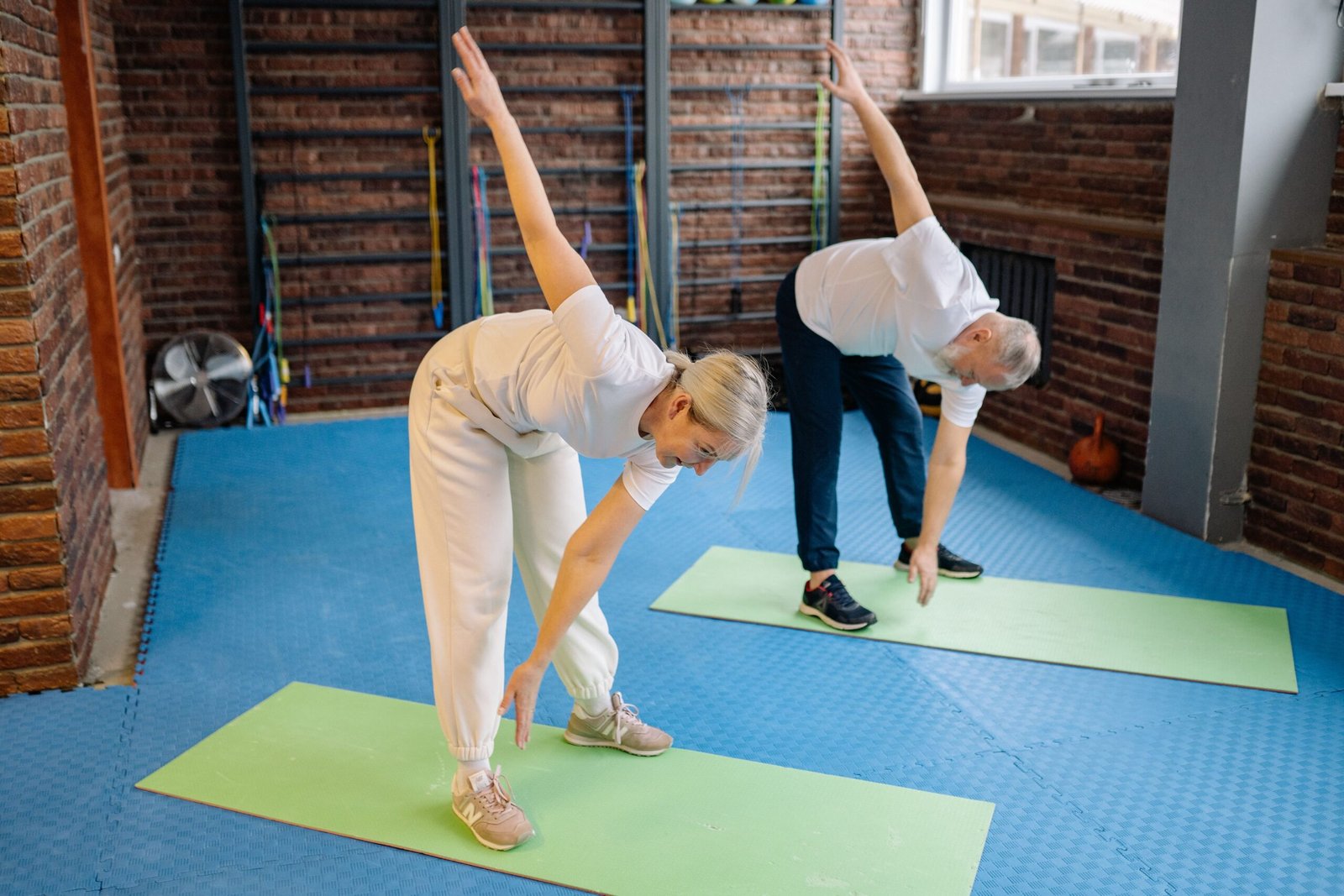
Mobility After 40: Why Flexibility Isn’t Enough
Many people use the words flexibility and mobility as if they mean the same thing.
They are connected, but they are not identical.
Flexibility is your ability to move a joint through a range of motion.
Mobility is your ability to actively control and use that range of motion.
For example, someone may be able to force their leg into a certain position through stretching.
However, if they do not have the strength and control to own that movement, their mobility is limited.
This is why mobility training is about more than simply stretching.
It combines:
- Joint movement
- Strength
- Stability
- Coordination
- Body awareness
True mobility allows you to move with confidence.
It helps your body become more capable, not just more flexible.
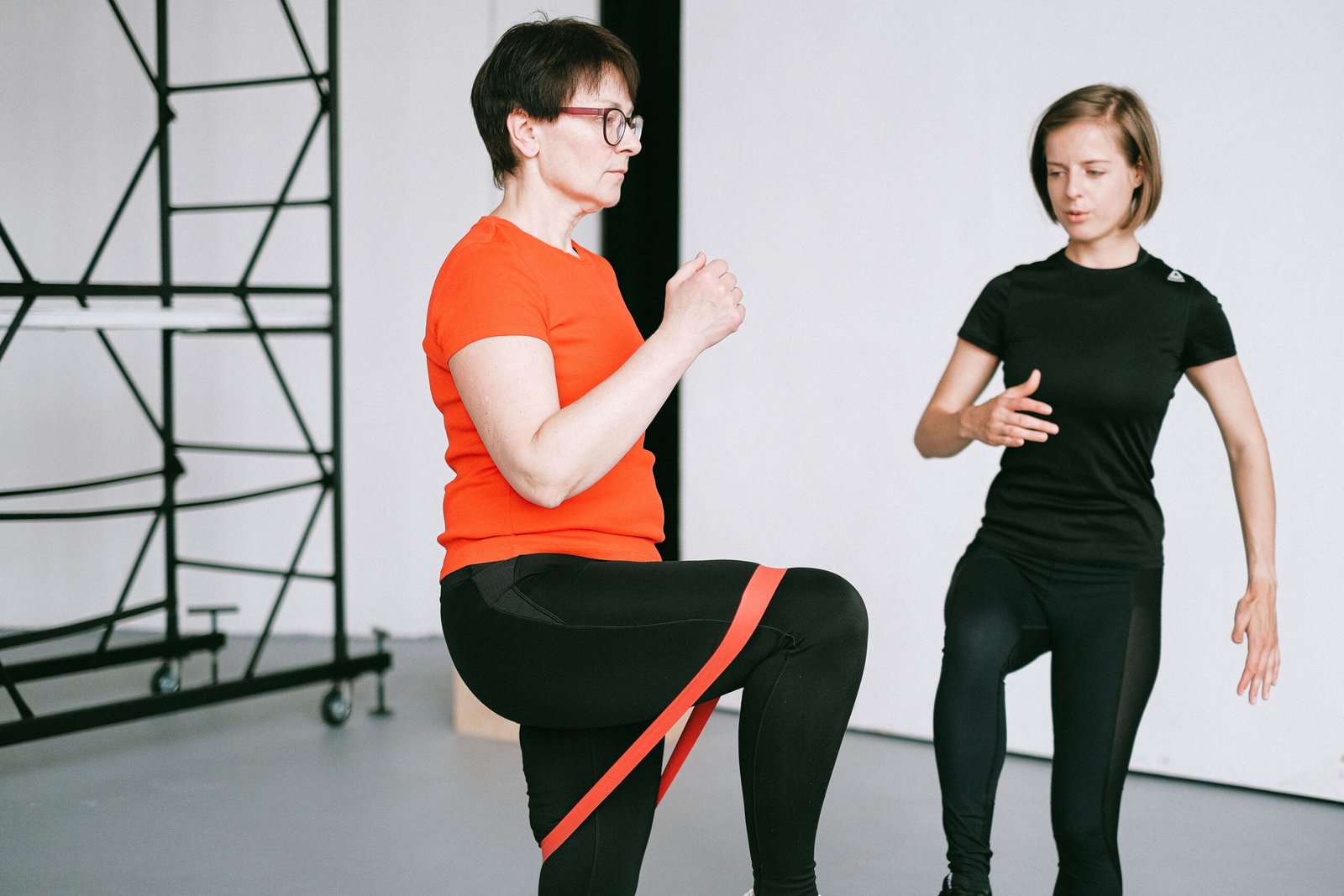
Why Strength and Mobility Work Together
Strength and mobility are often treated as separate goals.
They shouldn’t be.
A strong body that cannot move well becomes limited.
A flexible body without strength and control can also struggle.
The goal is balance.
Your muscles, joints, nervous system, and movement patterns all work together every time you walk, lift, reach, squat, or perform daily activities.
This is why the best training approach does not only ask:
“How much weight can you lift?”
It also asks:
“How well can your body move?”
As we age, maintaining this relationship becomes increasingly important.
Strength allows you to handle demands.
Mobility allows you to handle them with freedom and confidence.

The Missing Piece of Mobility After 40: Your Nervous System
Mobility is not just about your muscles and joints.
Your nervous system constantly decides how much movement it believes is safe.
When it senses stability and control, it allows greater freedom of movement. However, when it senses stress, pain, or instability, it often responds by creating stiffness and limiting your range of motion.
This is one reason stretching alone doesn’t always solve the problem.
Improving mobility also means teaching your nervous system that movement is safe. As your brain and body build trust through consistent practice, your movement becomes smoother, more confident, and more efficient.
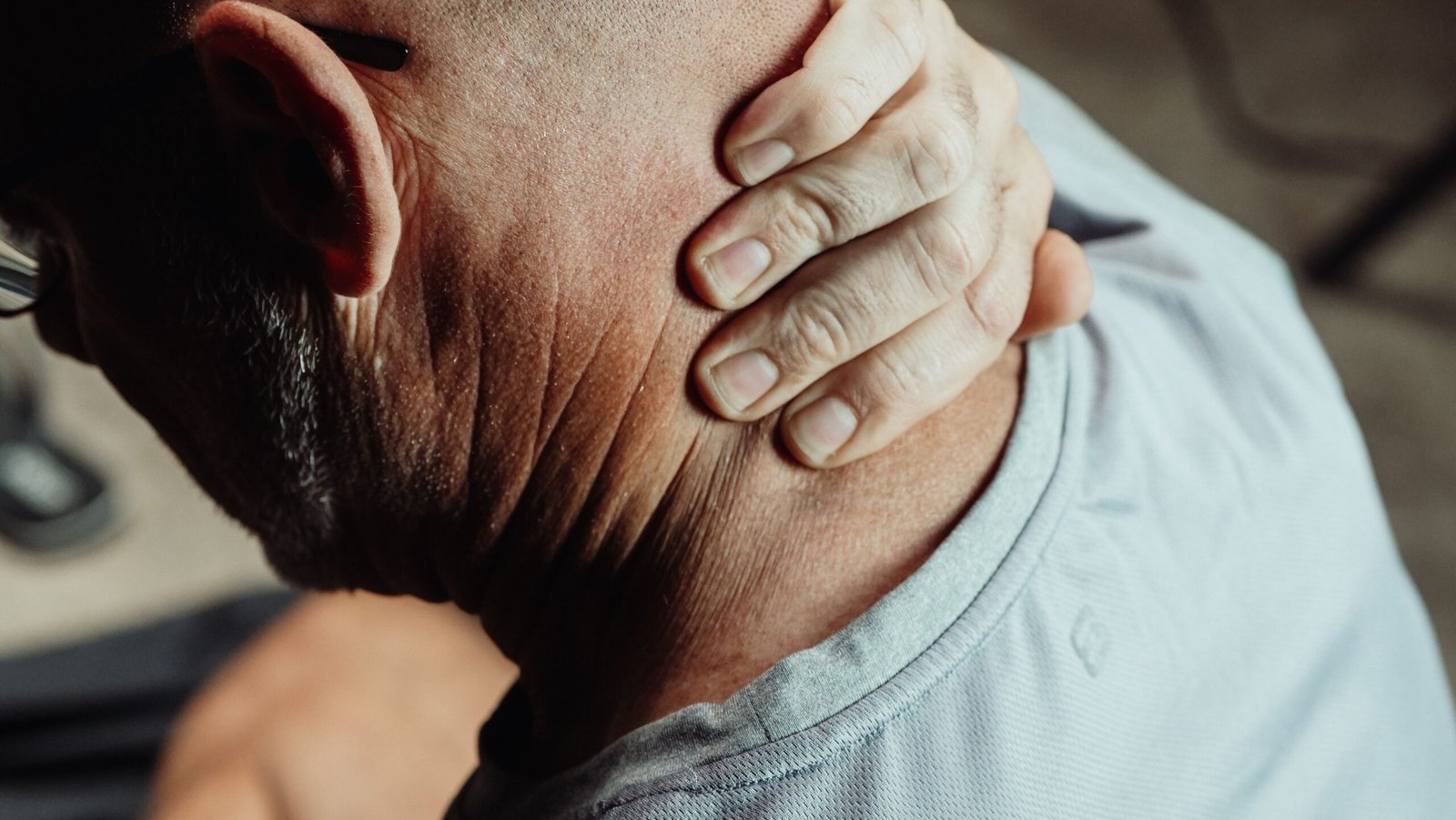
How Stress Affects Mobility
Most people think of stress as something they feel mentally.
The body experiences it physically as well.
When stress becomes chronic, muscles tend to remain guarded, breathing becomes shallow, and movement often becomes restricted.
Over time, this can contribute to stiffness that has little to do with age.
Fortunately, the opposite is also true.
As you improve your breathing, recovery habits, and daily movement, your body begins to relax. Consequently, better movement becomes easier because your nervous system no longer feels the need to stay on high alert.
Mobility is not only about stretching.
It is also about creating an environment where your body feels safe enough to move.
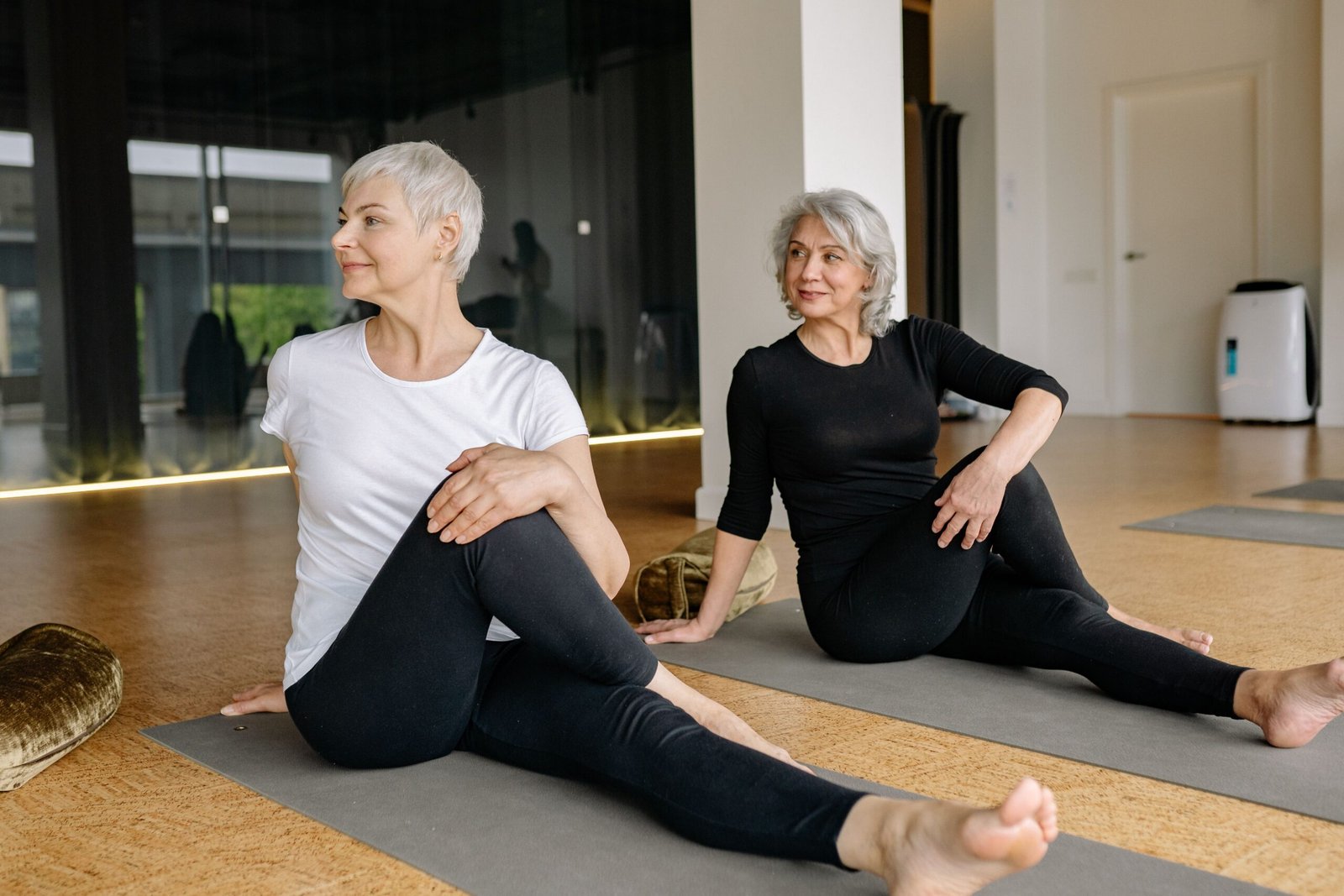
Simple Daily Practices to Improve Mobility
Improving mobility doesn’t require an hour-long routine.
Small, consistent habits often produce the biggest changes.
Try incorporating these practices into your day:
- Move every hour instead of sitting for long periods.
- Spend five to ten minutes working through your major joints.
- Pair mobility work with deep, controlled breathing.
- Strength train through a full, pain-free range of motion.
- Finish your day with gentle movement instead of more sitting.
Consistency matters far more than perfection.
A few minutes every day will usually produce better long-term results than one long session each week.
Mobility After 40: What the Research Tells Us
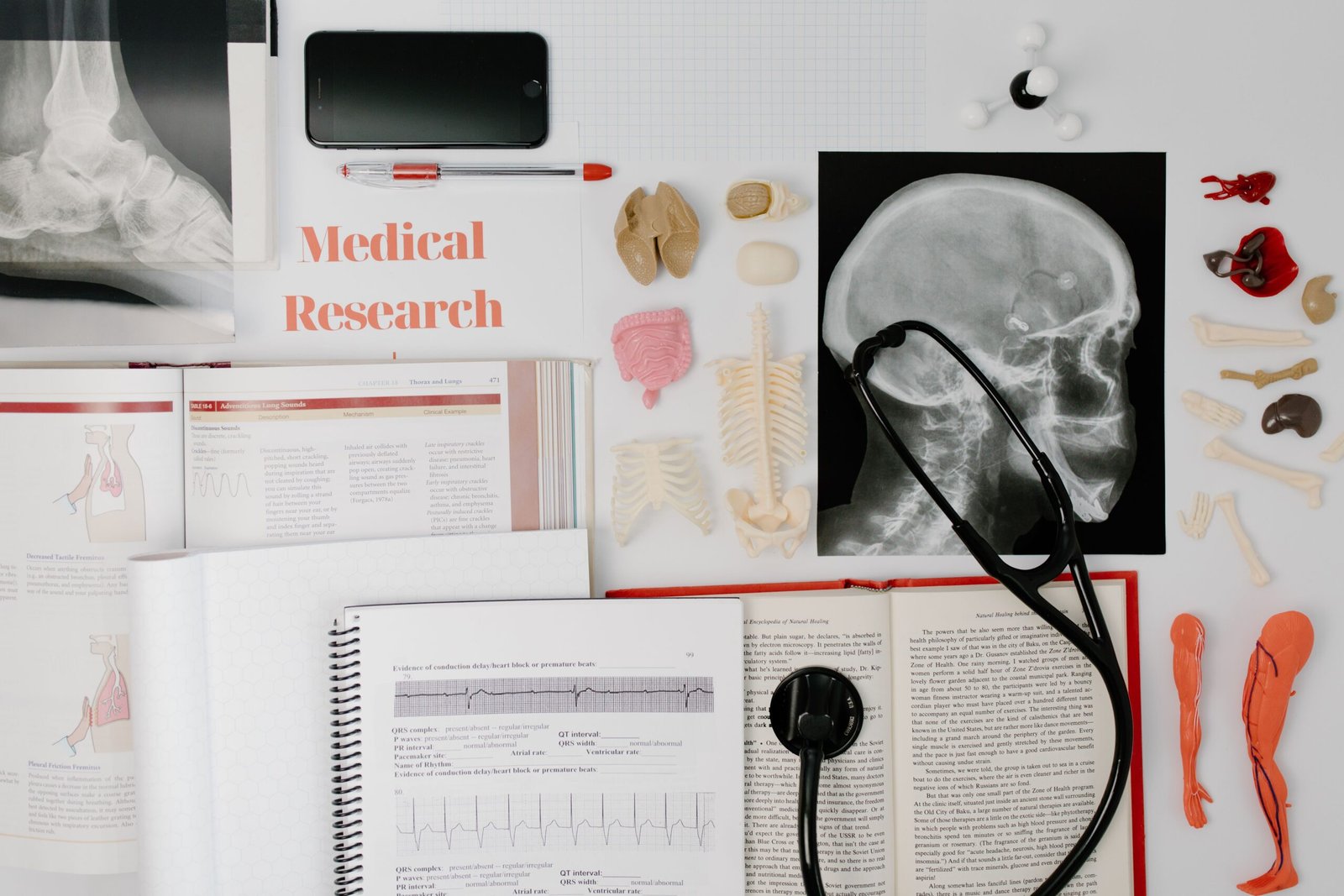
Research continues to show that combining strength training with mobility-focused exercise improves physical function, balance, joint mobility, and overall quality of life as we age.
More importantly, studies suggest that regular movement helps maintain independence by improving the ability to perform everyday tasks with confidence.
The goal is not simply to move more.
It is to move well for the rest of your life.
The Research Behind This Article
If you’d like to explore the science further, these are excellent places to start.
American College of Sports Medicine Position Stand: Exercise and Physical Activity for Older Adults
Sports Medicine – Systematic reviews examining mobility, resistance training, and healthy aging.
Here’s the path
Your body was designed to move.
Not perfectly.
Not pain free every single day.
But consistently.
Don’t accept stiffness as the price of getting older.
Move a little more today than you did yesterday.
Take care of your body, and it will continue to take care of you.
Small movements, repeated consistently, become the foundation for a stronger, healthier future.
Continue Your Journey
If this article helped you, these are great next reads:
- Strength Training After 40: Your Strongest Years May Still Be Ahead
- Exercise Recovery Tips: 7 Proven Ways to Recover Faster
- Compound Exercises: 7 Proven Movements That Build Real Strength
Start Here
Building better mobility begins with a healthier nervous system.
Download the Free Full Armor Nervous System Reset Guide and begin using simple daily practices that support recovery, resilience, and better movement.
Free Guide:
👉 https://fullarmorhq.com/free-guide/
If You Want to Go Deeper…
If you’re ready to create lasting habits that improve your movement, recovery, and overall well-being, the Full Armor 21 Day Method provides a simple daily framework to help you get there.
Go deeper:
👉 https://fullarmorhq.com/fullarmormethod/
No responses yet