
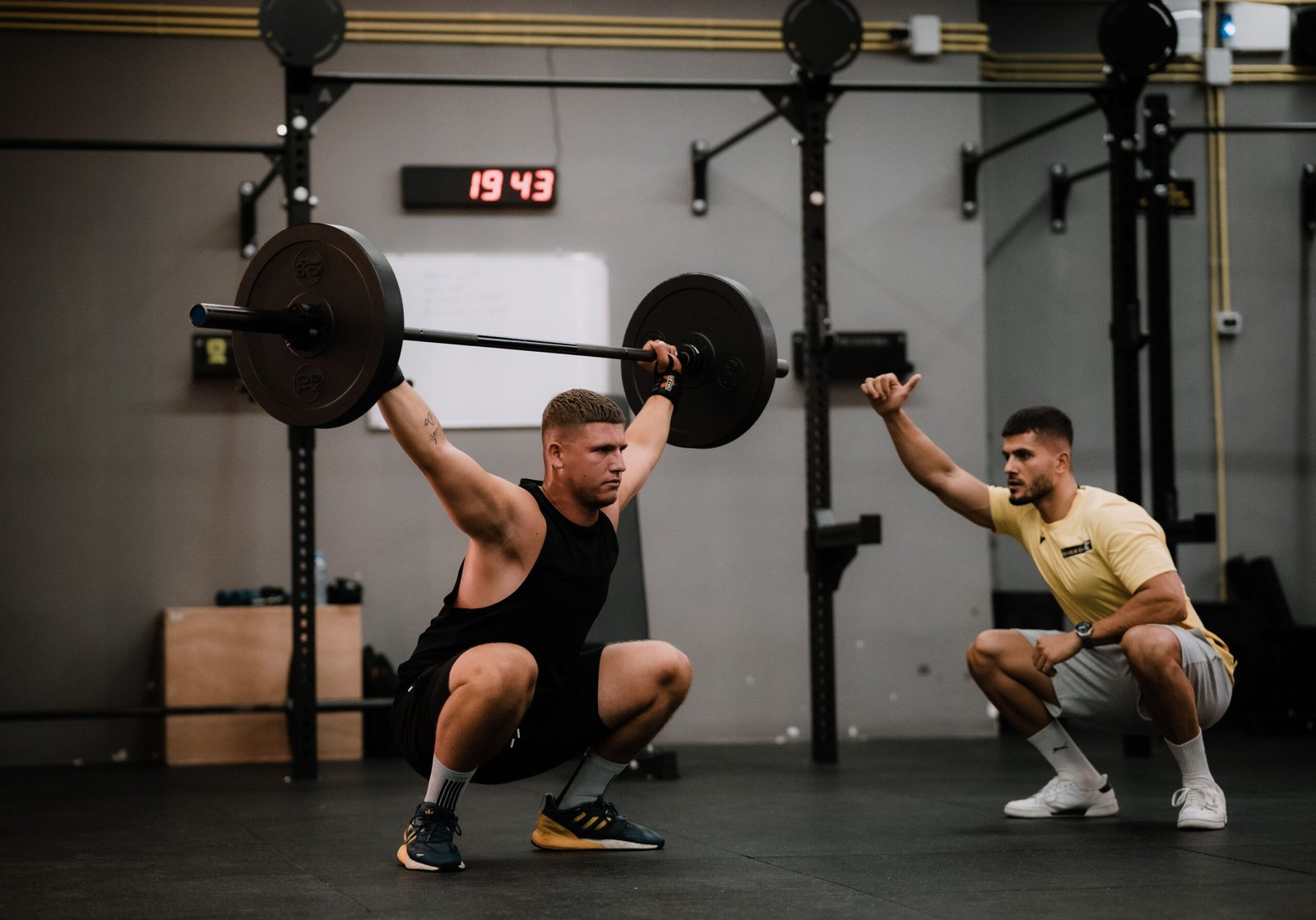
Walk into almost any gym and you’ll see people doing dozens of different exercises.
One machine for shoulders.
Another for biceps.
A different one for calves.
Before long, they’ve spent an hour training individual muscles while barely improving the way their body actually moves.
One thing I’ve noticed after years of coaching is that compound exercises are often the missing piece for people trying to build real strength. They aren’t always the flashiest movements, and they don’t always give people the immediate “burn” they are chasing, but they create a foundation that carries over into almost everything we do.
Can I challenge you to think about your workouts a little differently?
What if the goal wasn’t to do more exercises…
What if the goal was to choose better exercises?
That’s where compound exercises come in.
After years of coaching, I’ve found that the people who make the greatest long-term progress aren’t usually the ones with the longest workouts.
They’re the ones who consistently master the fundamentals.

What Are Compound Exercises?
Compound exercises are movements that use multiple joints and multiple muscle groups at the same time.
Instead of isolating one muscle, your body works together as a system.
Think about it.
When you squat, your legs are working.
Your hips are working.
Your core is working.
Even your upper back is helping stabilize the movement.
That’s how your body was designed to move.
Not as individual parts.
As one coordinated system.
This is one of the reasons compound exercises are so effective.
They don’t just build stronger muscles.
They help build a stronger body.
Why Compound Exercises Matter for Building Strength
One thing I’ve noticed after decades of coaching is that people often confuse being tired with being productive.
They’ll leave the gym exhausted after twenty different exercises and wonder why they aren’t getting stronger.
Meanwhile, someone else spends forty-five focused minutes performing a handful of quality compound exercises and makes steady progress for years.
The difference isn’t effort.
It’s direction.
Your body responds remarkably well when you consistently practice the movements that give you the greatest return.
That’s why I always encourage people to build their workouts around the basics first.
Everything else should support that foundation.

More Isn’t Always Better
Let me ask you something.
Have you ever finished a workout feeling like you had to keep adding exercises because it still didn’t feel like enough?
Most of us have.
We’ve been conditioned to believe that longer workouts produce better results.
But here’s what experience has taught me.
The body doesn’t reward busyness.
It rewards adaptation.
If your workout contains the right movements, performed with intention, followed by proper recovery, your body has everything it needs to become stronger.
Doing twice as much rarely means getting twice the results.
Sometimes it simply means taking longer to recover.
7 Compound Exercises That Build Real Strength
Over the years I’ve coached athletes, adults just beginning their fitness journey, and people simply trying to stay healthy as they get older.
The equipment changes.
The goals change.
Life changes.
But these movements keep proving their value.
Not because they’re trendy.
Because they work.
1. Squats
If I could only choose one lower-body exercise, squats would always be near the top of the list.
They strengthen the legs, hips, and core while improving balance, coordination, and everyday movement.
Whether you’re sitting down in a chair or lifting something from the floor, you’re using the same movement pattern.
A well-performed squat trains your body for life—not just for the gym.
2. Deadlifts
Few exercises teach people how to generate strength from the ground up like the deadlift.
Done correctly, it develops the hips, glutes, hamstrings, back, grip, and core.
More importantly, it teaches one of the most valuable skills you’ll ever learn:
How to lift safely.
That’s not just a gym skill.
That’s a life skill.
3. Push-Ups
People often underestimate push-ups because they don’t require expensive equipment.
Don’t make that mistake.
A properly performed push-up develops the chest, shoulders, triceps, and core while teaching your body to move as one connected unit.
I’ve seen incredibly strong people struggle with quality push-ups.
Master your own body before worrying about impressive numbers.
4. Bench Press
The bench press has earned its place as one of the most recognized strength exercises for a reason.
It builds pressing strength through the chest, shoulders, and triceps while teaching your body how to create force in a controlled movement.
But here’s something I want people to remember:
The goal is not to see how much weight you can move.
The goal is to build strength that transfers.
I’ve seen people chase numbers on the bench while losing control of the movement, ignoring shoulder position, and creating unnecessary stress.
A stronger lifter isn’t just someone who can lift more.
A stronger lifter is someone who can control what they’re lifting.
Quality always comes before quantity.
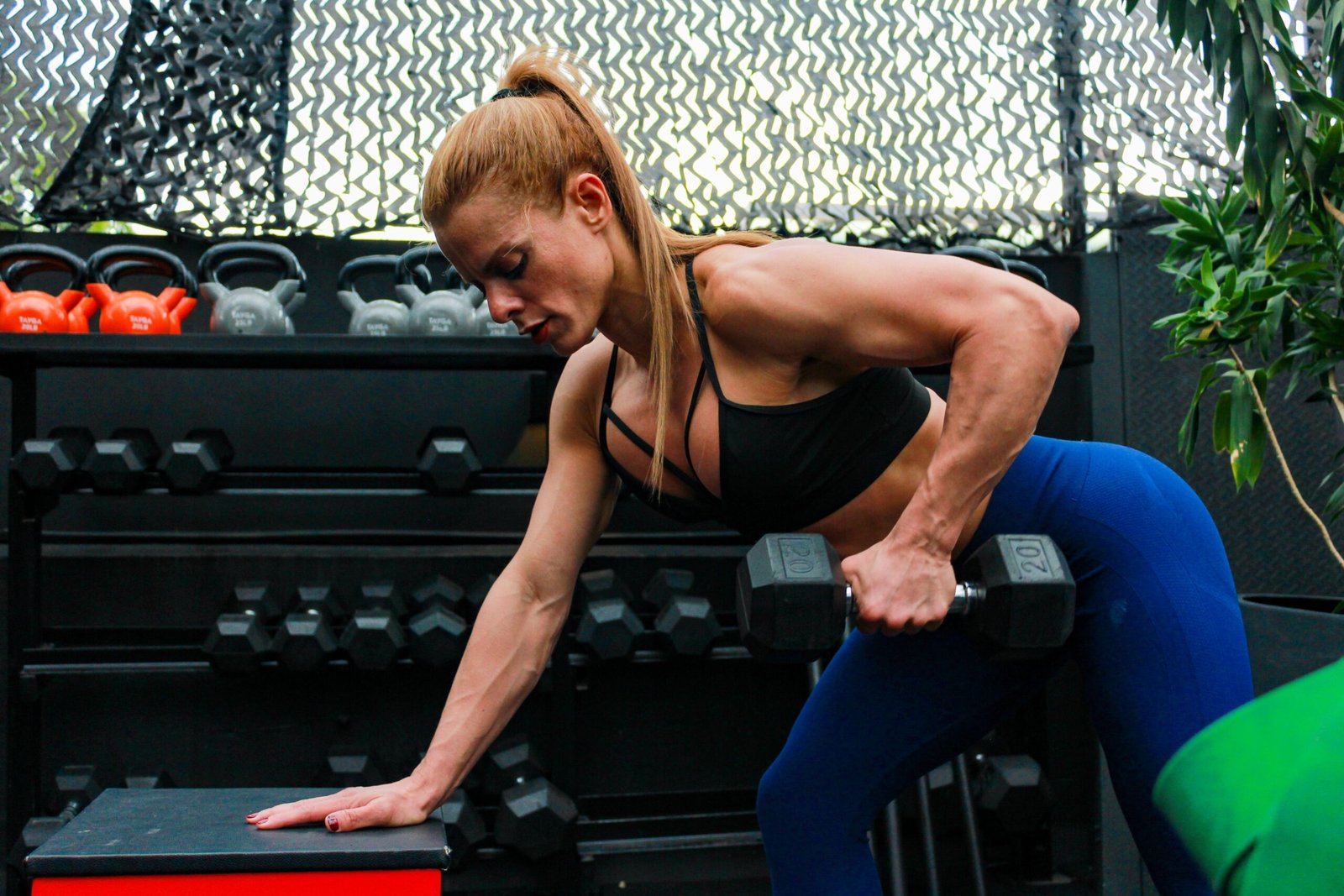
5. Rows
Most people spend a lot of time training the muscles they can see in the mirror.
Chest.
Shoulders.
Arms.
But a strong back is the foundation of a strong body.
Rows help build the muscles responsible for posture, pulling strength, and shoulder stability.
They also help create balance in your training.
One thing I tell people often:
You can’t build a strong body by only training the front of it.
Your body works as a system.
Your pushing strength needs pulling strength.
Your chest needs your back.
Your front side needs your backside.
Balance matters.
6. Overhead Press
The overhead press is one of the best ways to develop upper-body strength while challenging your core and overall stability.
Unlike a machine that locks you into a path, standing overhead movements require your body to create stability from the ground up.
Your feet.
Your legs.
Your core.
Your shoulders.
Everything has to work together.
This is why I love movements that challenge coordination.
Real-world strength isn’t built sitting in a machine.
Life requires your entire body to cooperate.
7. Lunges
Lunges are one of those movements that reveal a lot.
They challenge strength.
Balance.
Coordination.
Mobility.
And control.
They also have a great carryover to everyday life because we rarely move perfectly symmetrical.
Walking, climbing stairs, stepping over obstacles—we’re constantly using one leg at a time.
Lunges help train your body for those moments.
And they can be adjusted for almost anyone.
A beginner.
An athlete.
Someone rebuilding strength later in life.
The movement can grow with you.
Honorable Mention
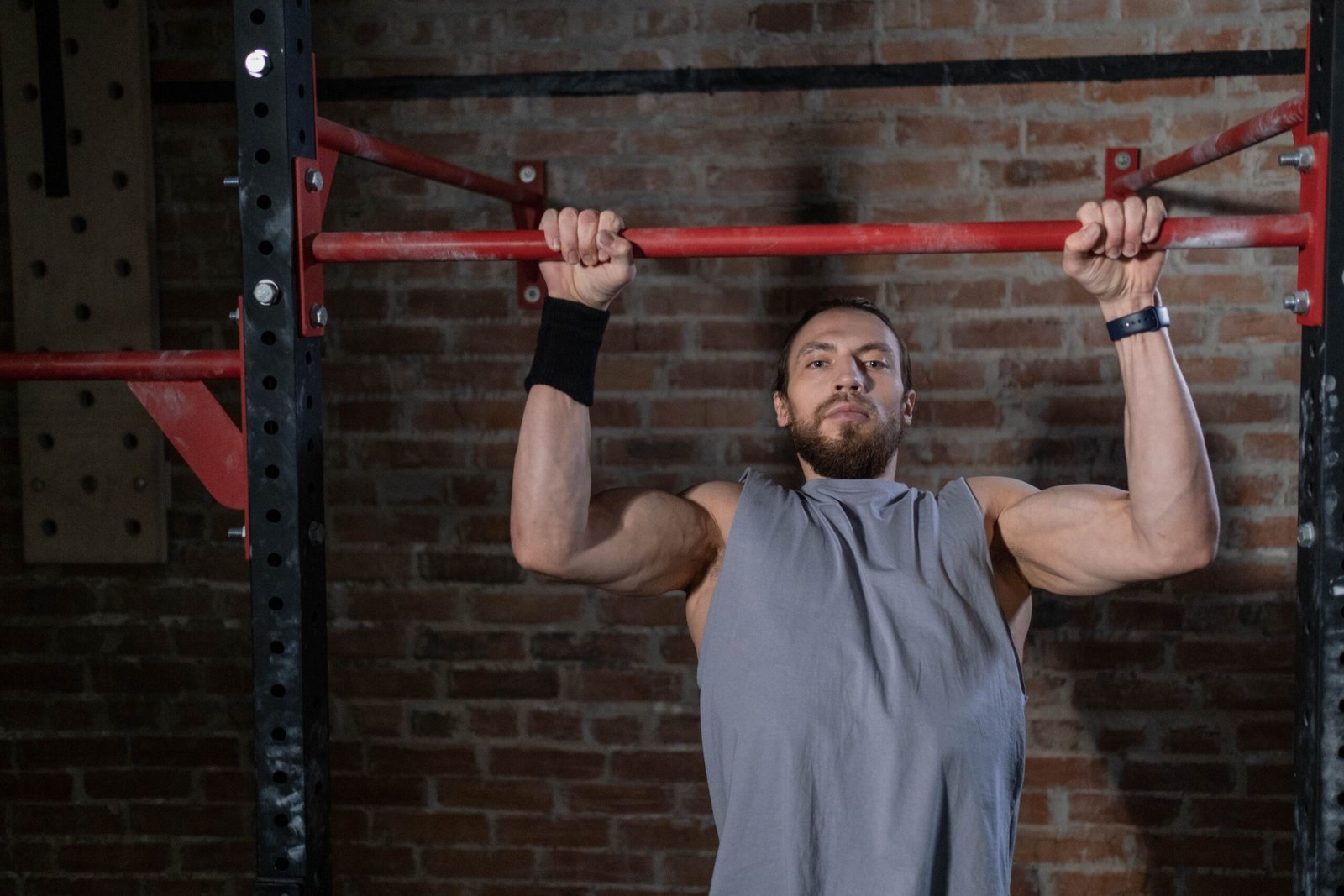
Pull-Ups
If I had to choose one upper-body movement that represents true strength, pull-ups would be near the top of the list.
There is something different about moving your own body through space.
A pull-up requires your back, shoulders, arms, grip, and core to work together as one connected movement.
But this is also where many people get discouraged.
They see a pull-up and immediately think, “I can’t do that, so it’s not for me.”
I want to challenge that mindset.
You may not be able to perform a full pull-up today, and that’s okay.
Strength is built through progression.
Assisted pull-ups, controlled negatives, and building your pulling strength through movements like rows are all steps toward the goal.
The goal isn’t to prove you are strong enough.
The goal is to become strong enough.
Because that first clean pull-up is about more than the exercise itself. It’s a reminder that your body can adapt to challenges that once seemed impossible.
And that’s one of the things I love most about strength training.
It teaches you that what you can’t do today doesn’t have to define what you’re capable of tomorrow.
Common Mistakes People Make With Compound Exercises
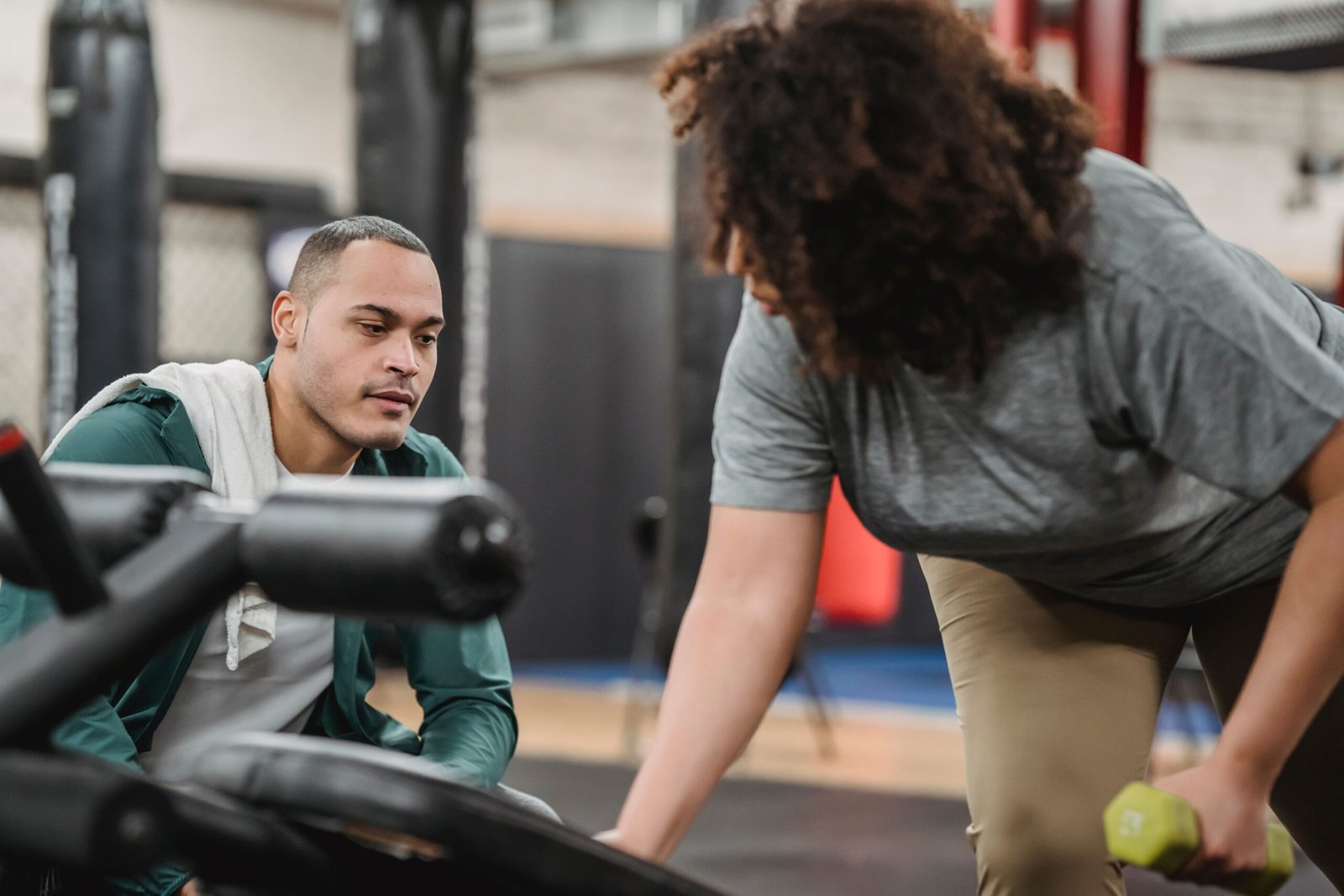
Compound exercises are powerful, but they need to be performed with intention.
Here are some mistakes I see often.
Mistake #1: Chasing Weight Before Mastering Movement
This is probably the most common.
People want the heavier weight because it feels like progress.
But adding weight to a movement you don’t control doesn’t create better results.
It creates better opportunities for compensation.
Master the movement first.
Then earn the load.
Mistake #2: Changing Programs Too Often
This is another big one.
Someone starts a workout program.
Two weeks later they see something new online.
Then they switch.
Then they switch again.
The problem?
They never stay with anything long enough to actually adapt.
Your body needs consistency.
Progress requires repetition.
You can’t build a skill you constantly abandon.
Mistake #3: Ignoring Recovery
This is where compound exercises connect directly to the Full Armor philosophy.
The more demanding the movement, the more important recovery becomes.
Strength isn’t built while you’re lifting.
The workout is the signal.
The adaptation happens afterward.
Sleep.
Nutrition.
Stress management.
Recovery habits.
These aren’t separate from your training.
They are part of your training.
Building a Workout Around Compound Exercises
You don’t need a complicated program.
You need a foundation.
A simple strength workout might include:
- A squat pattern
- A hinge pattern
- A push movement
- A pull movement
- A carry or core movement
That’s it.
From there, you can adjust based on your goals.
Want more muscle?
Increase volume.
Want more strength?
Increase intensity gradually.
Want better movement and health?
Focus on consistency and quality.
The foundation stays the same.
Here’s the path.
If you’re feeling overwhelmed by fitness, simplify.
Stop searching for the perfect workout.
Stop jumping from program to program.
Start by mastering the movements that have worked for generations.
Build strength.
Move well.
Recover intentionally.
Then repeat.
The strongest foundation is usually built through the simplest principles practiced consistently.
You don’t need more complexity.
You need a plan you can actually live with.
That’s how strength becomes more than something you build in the gym.
It becomes something you carry into your life. The way…. Compound exercies!
Continue Learning
If this article helped you, continue building your foundation:
- Progressive Overload: The Proven Way to Build Strength
- Exercise Recovery Tips: 7 Proven Ways to Recover Faster
- Why Strength Training Improves More Than Just Muscle
Start Here
Download the Free Full Armor Nervous System Reset Guide and begin building simple daily habits that support recovery, resilience, and long-term health.
👉 https://fullarmorhq.com/free-guide/
If You Want to Go Deeper…
The 21 Day Full Armor Method gives you a structured approach to combining strength, movement, recovery, and nervous system regulation into daily practice.
No responses yet