
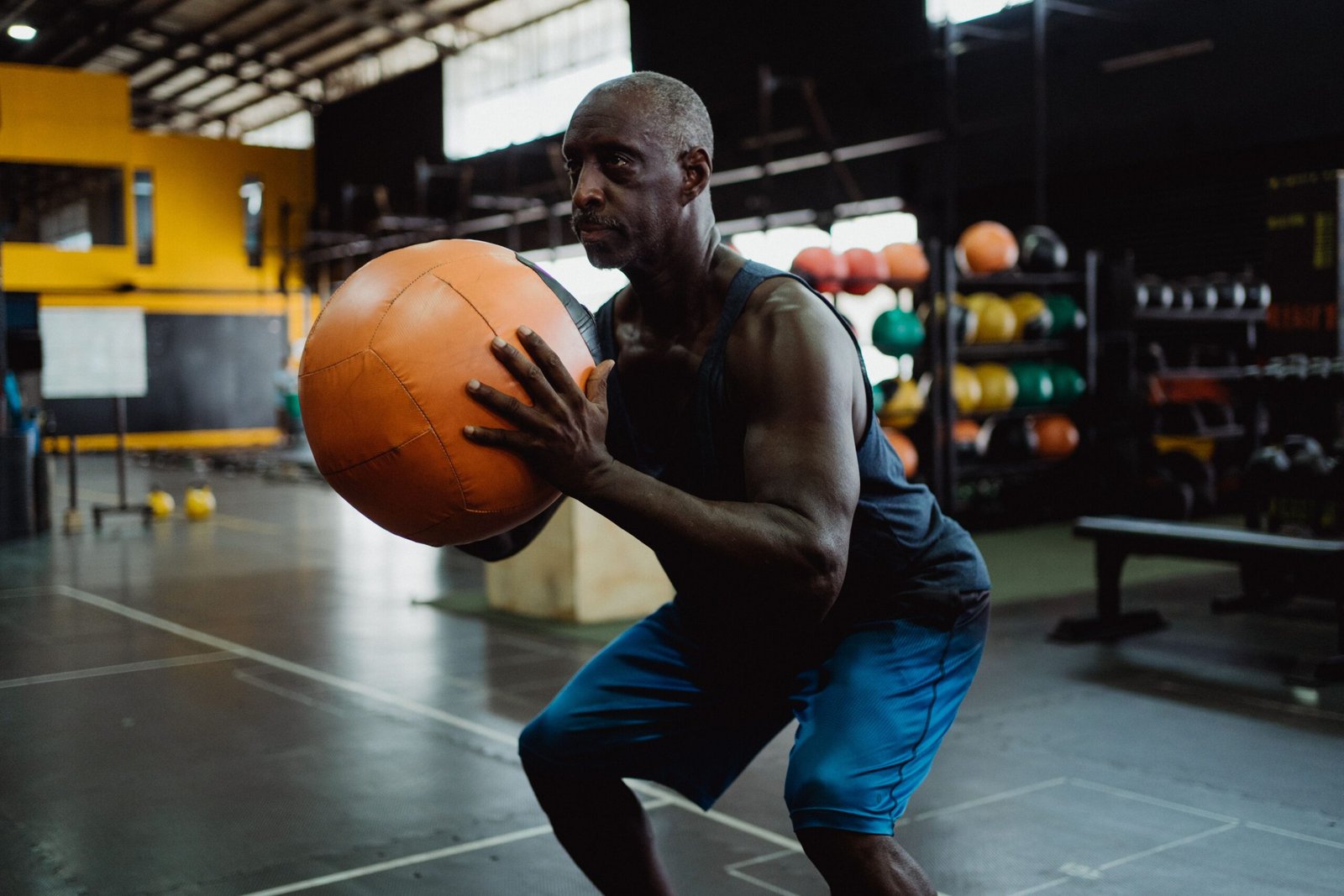
There is a question I hear often from people as they get older:
“Is it still possible for me to get stronger?”
My answer is simple:
Absolutely.
In fact, strength training after 40 may be one of the most important things you can do for your future self.
One of the biggest misconceptions about aging is that losing strength is just something we have to accept. People begin to believe that feeling weaker, moving slower, and losing confidence in their body is simply part of getting older.
But that is not the whole story.
The human body is designed to adapt.
It responds to the signals we give it.
When we challenge our muscles, practice quality movement, and recover properly, our bodies have the ability to continue improving.
The goal after 40 is not to train like you are 25.
The goal is to become the strongest version of yourself today.
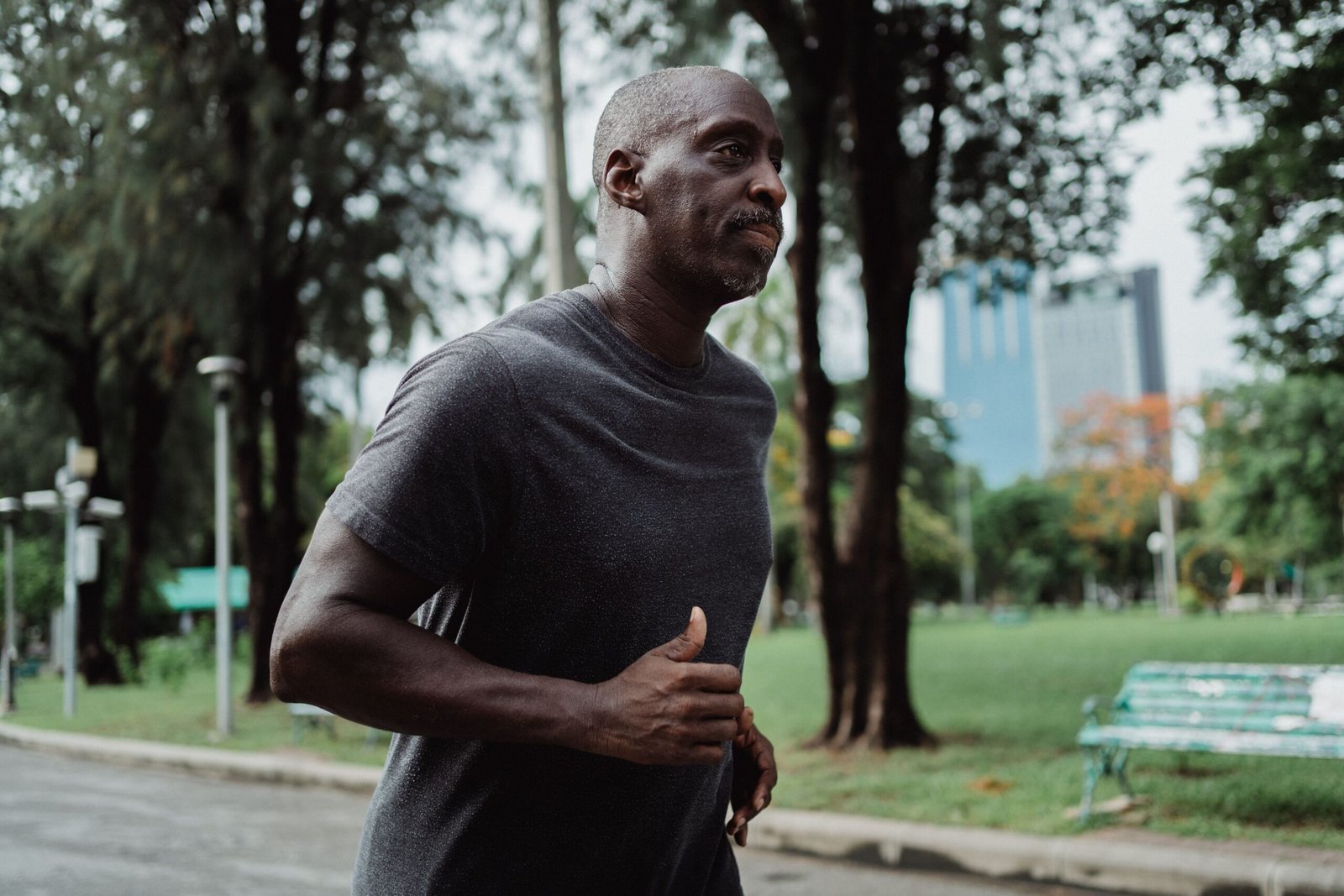
Strength Training After 40: Your Body Can Still Adapt
As we age, our bodies naturally experience changes. One of the most noticeable changes is the gradual loss of muscle mass and strength, often referred to as sarcopenia.
However, aging does not mean decline is unavoidable.
Research shows that resistance training remains one of the most effective ways to maintain and improve muscle strength, physical function, and movement quality throughout adulthood.
The body continues to adapt when it receives the right signals.
Strength training provides that signal by challenging your muscles, nervous system, and movement patterns in a way that encourages continued growth and resilience.
This is why strength training becomes even more valuable as we get older.
It is not just about building muscle.
It is about maintaining the ability to move well, stay active, and continue doing the things that matter most.
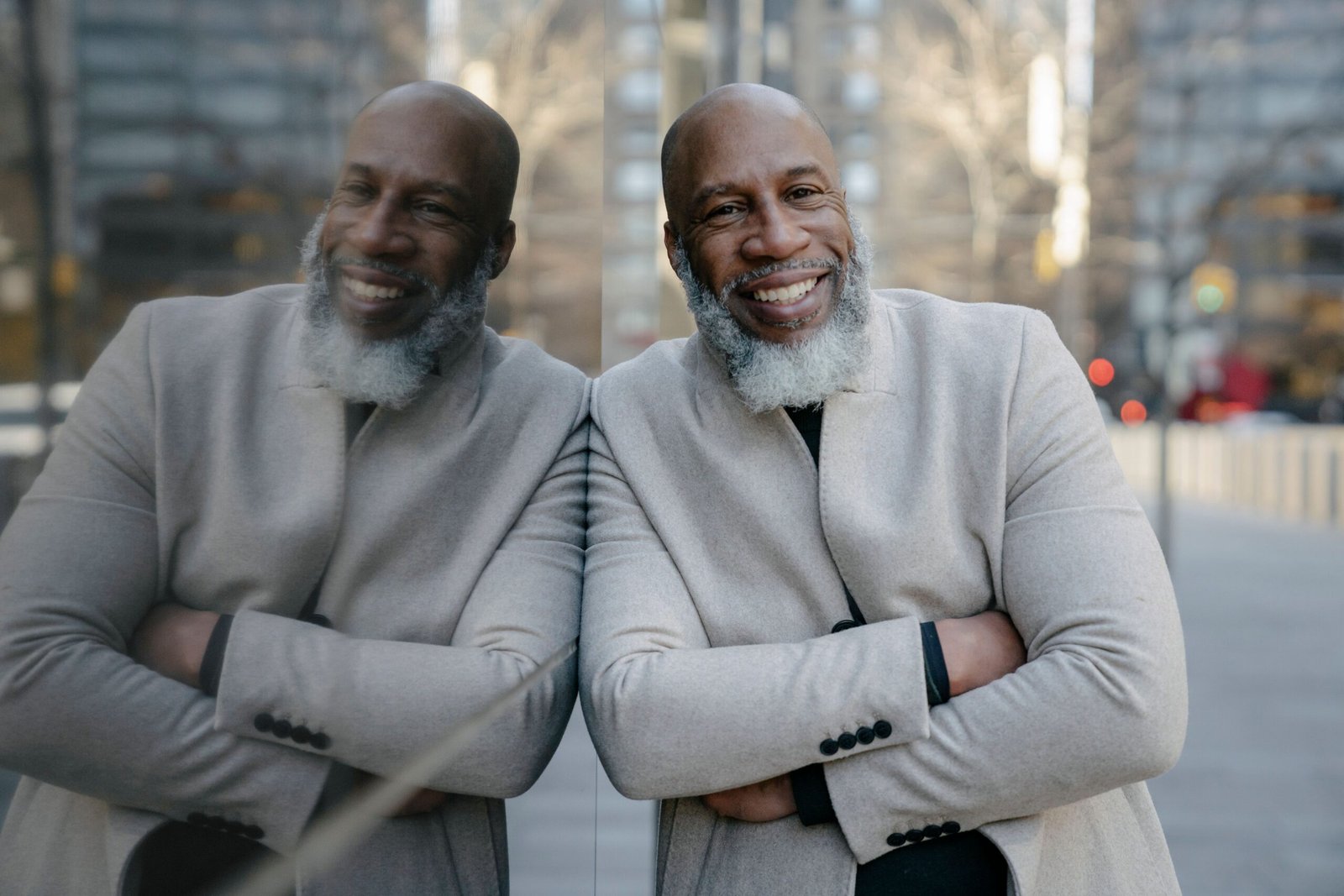
Strength Training After 40: More Than Muscle, It’s Your Independence
Most people begin strength training because they want to change something they see in the mirror.
There is nothing wrong with that.
But as we get older, strength becomes about much more than appearance. It becomes about maintaining the ability to live life with confidence and independence.
Strength supports everyday movements that many people take for granted.
Carrying groceries.
Walking up stairs.
Getting up from the floor.
Playing with family.
Continuing hobbies and activities you enjoy.
Research has also connected resistance training with improvements in physical function, balance, maintaining lean muscle, and supporting bone health.
The goal is not simply to build more muscle.
The goal is to build a body that continues to serve you well for years to come.
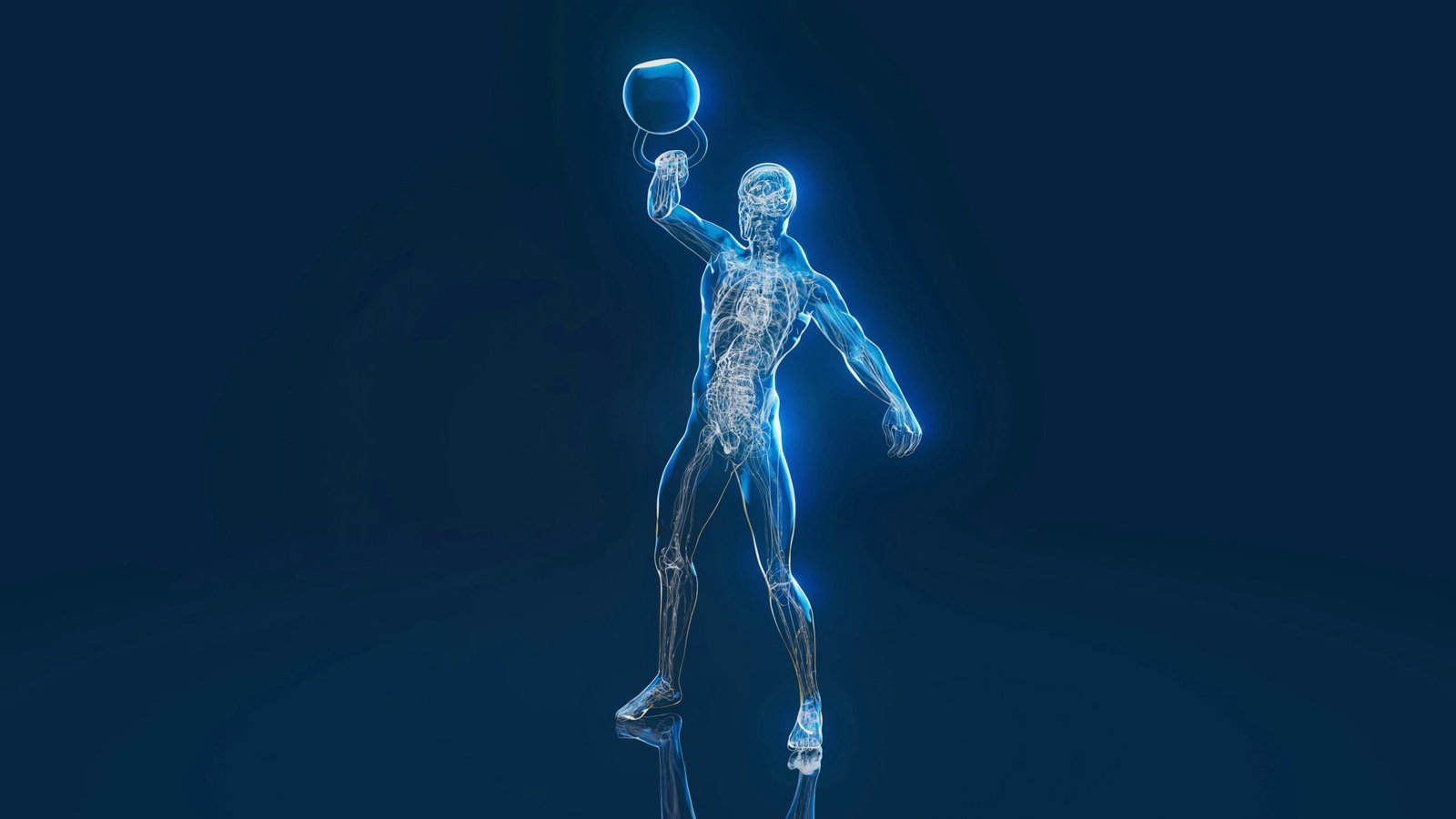
The Nervous System Connection
Strength is not just about muscle.
Your nervous system plays a major role in how your body produces force, coordinates movement, and learns new patterns.
Every movement you perform depends on communication between your brain, nervous system, and muscles.
Over time, strength training improves that communication, helping your body become more efficient and capable.
This is why strength is not only measured by how much weight you can lift.
It is also measured by how well you can control your body, move with confidence, and respond to the demands of everyday life.
As we age, maintaining this connection becomes increasingly important.
A strong body is not just about having more muscle.
It is about keeping the connection between your mind and your body working together.
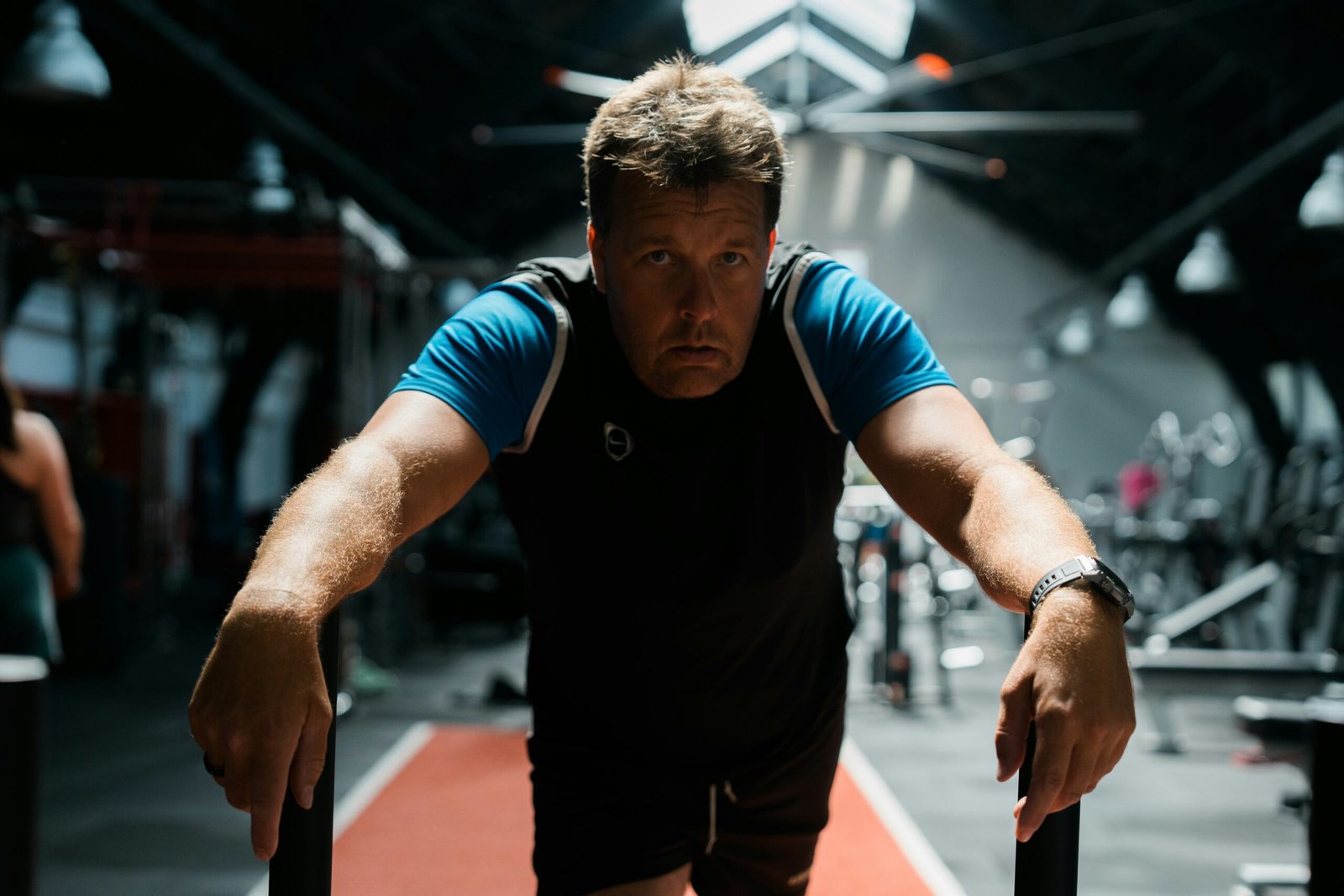
Why Training Changes After 40
Training after 40 does not mean you have to stop challenging yourself.
It means you have to become more intentional.
When we are younger, many people can get away with inconsistent habits, poor recovery, and pushing through things their body may not be ready for.
Over time, the approach needs to become smarter.
That means paying closer attention to:
- Movement quality
- Proper technique
- Progressive overload
- Recovery between workouts
- Sleep and nutrition
- Managing stress
The answer is not to avoid strength training.
The answer is to understand how to train in a way that allows your body to continue adapting.
The best training program is not always the hardest one.
It is the one that challenges you, supports your recovery, and allows you to continue making progress.
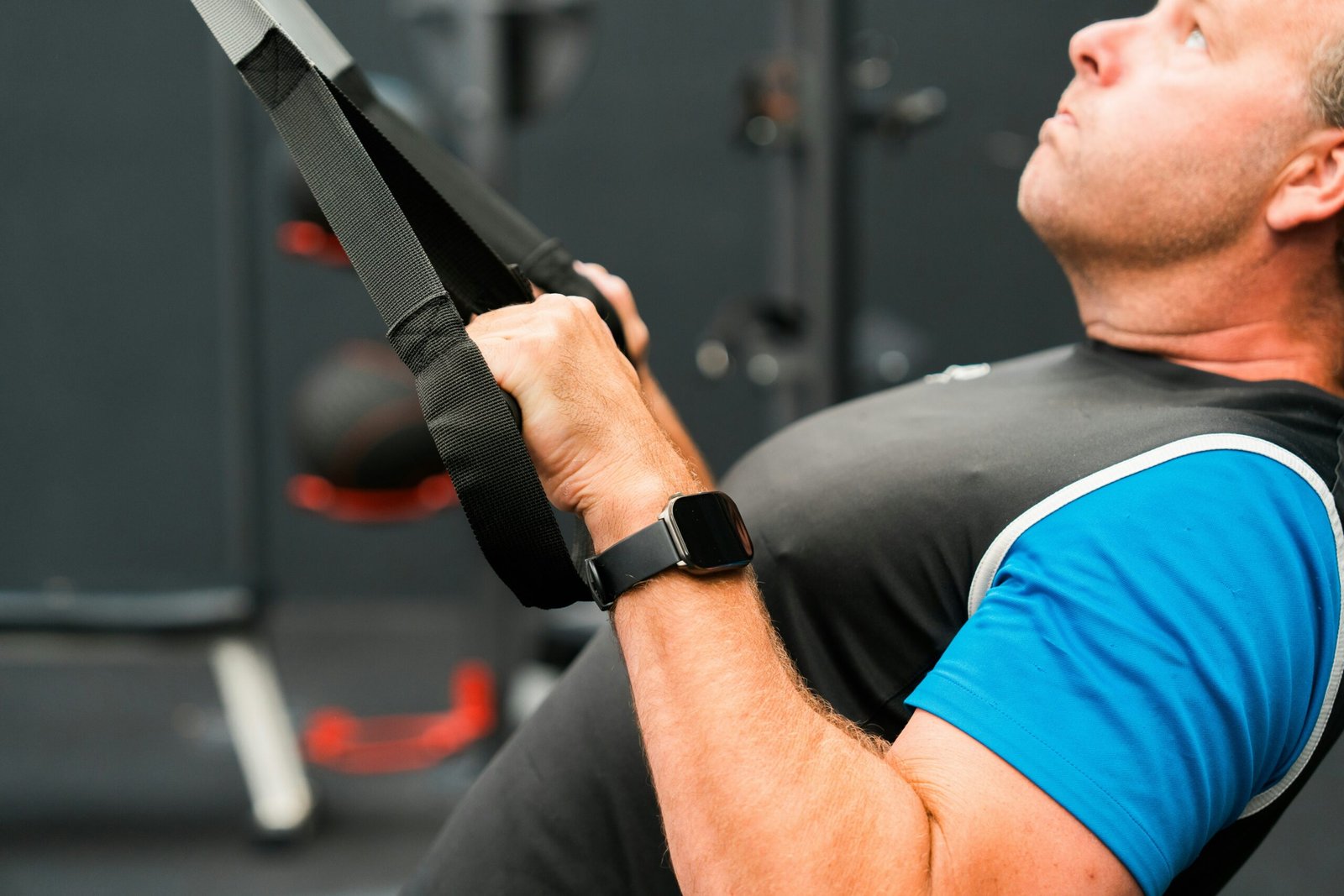
Building Strength After 40
One of the biggest mistakes people make after 40 is believing they have to train completely differently than they did when they were younger.
You don’t.
The principles that build strength haven’t changed.
What changes is how you apply them.
Instead of trying to do more, focus on doing the basics exceptionally well.
Build your program around compound movements.
Challenge yourself with progressive overload.
Prioritize good technique over heavier weight.
Most importantly, be consistent.
You don’t have to have the perfect workout.
You need a workout you can continue doing for months and years.
That’s where real progress happens.

Common Mistakes That Hold People Back
After years of coaching, I’ve noticed the same mistakes show up again and again.
The good news is they’re all fixable.
Trying to Train Like You Did at 25
There’s nothing wrong with working hard.
However, recovery becomes more important as we get older. Training hard without recovering well eventually catches up with everyone.
Train with intensity, but give your body the opportunity to adapt.
Thinking More Is Better
Many people assume longer workouts produce better results.
In reality, better workouts produce better results.
A focused hour with purpose will almost always outperform two hours of random exercises.
Ignoring Recovery
Strength is not built during your workout.
The workout provides the stimulus.
Your body becomes stronger while it recovers.
Sleep, nutrition, hydration, and managing stress are all part of the training process.
Ignoring recovery is like planting a garden and never watering it.

What the Research Tells Us
One of the things I appreciate most about exercise science is that it continues to support what experienced coaches have seen for decades.
Research consistently shows that resistance training helps improve strength, preserve lean muscle, support bone health, and maintain physical function as we age.
Perhaps even more encouraging, studies continue to show that people who begin strength training later in life can still make meaningful improvements.
Your body never completely loses its ability to adapt.
It simply needs the right stimulus and enough consistency to respond.
The Research Behind This Article
If you’d like to explore the science further, these are excellent places to start.
Resistance Training for Older Adults: Position Statement From the National Strength and Conditioning Association
Journal of Strength and Conditioning Research (2019)
Dose–Response Relationships of Resistance Training in Healthy Old Adults: A Systematic Review and Meta-Analysis
Sports Medicine (2015)
Long-term Resistance Training With All-Cause and Cause-Specific Mortality: Assessing Dose-Response and Joint Associations With Aerobic Physical Activity
British Journal of Sports Medicine (2026)
Here’s the path.
You don’t have to chase the body you had twenty years ago.
You don’t have to prove anything to anyone.
What matters is becoming stronger than you were yesterday.
Start where you are.
Train with purpose.
Recover with intention.
Trust the process.
The strongest years of your life aren’t determined by your age.
They’re determined by the decisions you continue making every single day.
Strong isn’t an age. It’s a decision you continue to make.
Continue Your Journey
If this article encouraged you, these are great next reads:
- Progressive Overload: The Proven Way to Build Strength
- Compound Exercises: 7 Proven Movements That Build Real Strength
- Exercise Recovery Tips: 7 Proven Ways to Recover Faster
Start Here
Building strength starts long before you pick up a weight. Recovery, stress management, and daily habits all influence how your body performs.
Download the Free Full Armor Nervous System Reset Guide and begin building simple daily practices that support resilience, recovery, and long-term health.
Free Guide:
👉 https://fullarmorhq.com/free-guide/
If You Want to Go Deeper…
If you’re ready to build a complete system for your mind and body, the 21 Day Full Armor Method will help you develop lasting habits that improve strength, recovery, and nervous system regulation.
Go deeper:
👉 https://fullarmorhq.com/fullarmormethod/
No responses yet