
Protein after 40 becomes increasingly important as your body changes with age. While many people focus on exercise when trying to maintain strength and muscle, nutrition plays an equally important role in how your body recovers, adapts, and stays capable.
Some people say you need huge amounts every day.
Others believe getting enough protein is only important if you are trying to build muscle.
The truth is somewhere in the middle.
Protein after 40 becomes more important because your body is constantly working to maintain muscle, recover from stress, and adapt to the demands you place on it.
Your workouts create the signal.
Your nutrition provides the materials your body needs to respond.
Strength training and movement tell your body, “Stay capable.”
Protein helps provide the building blocks to support that process.
The goal is not to obsess over numbers.
The goal is to understand what your body needs so you can continue building strength, recovering well, and staying active for years to come.
The goal of protein after 40 is not to chase perfection. It is to create consistent habits that support strength, recovery, and healthy aging.
Protein After 40: Why Your Body Needs More Attention
Aging does not mean your body stops changing.
It means your body requires more intentional support.
One of the biggest challenges many people face as they get older is maintaining muscle mass and strength.
This gradual decline in muscle can affect more than appearance.
Muscle plays an important role in movement, balance, metabolism, and everyday function.
The ability to carry groceries, climb stairs, play with your kids or grandkids, and stay independent all depends on having a body that remains capable.
Fortunately, aging does not remove your ability to improve.
Your body can still adapt.
However, the strategy may need to become more intentional.
Strength training provides the stimulus.
Recovery provides the opportunity.
Protein provides the raw materials.
Together, they create the foundation for a stronger body.

Why Muscle Preservation Matters More After 40
Many people think muscle is only about looking fit.
But muscle is one of the most valuable tissues in your body.
It helps you move.
It helps protect your joints.
It supports physical independence.
It allows you to handle the demands of everyday life.
As we age, losing muscle can happen gradually. However, this process can be influenced by the choices we make every day.
Regular resistance training, adequate protein intake, quality sleep, and consistent movement all play important roles.
The goal is not to chase a younger version of yourself.
The goal is to protect the person you are becoming.
A strong body gives you more options.
It allows you to say yes to more experiences instead of being limited by what your body can no longer do.
The Science Behind Protein After 40
One reason protein becomes especially important as we age is something researchers call anabolic resistance.
Simply put, this means the body may become less responsive to smaller amounts of protein compared to when we were younger.
That does not mean protein stops working.
It means your body may require a more intentional approach.
Research has shown that adequate protein intake combined with resistance training can help support muscle protein synthesis, strength development, and physical function throughout adulthood.
This is why the combination matters.
Eating protein without challenging your muscles misses part of the equation.
Training hard without giving your body the nutrients it needs also limits your progress.
The strongest approach combines both.

Protein After 40: How Much Do You Need?
This is where many people get overwhelmed.
There is no single number that works perfectly for everyone.
Your needs depend on factors like:
- Body size
- Activity level
- Training goals
- Overall health
- Current nutrition habits
However, many active adults benefit from aiming higher than the basic minimum recommendations.
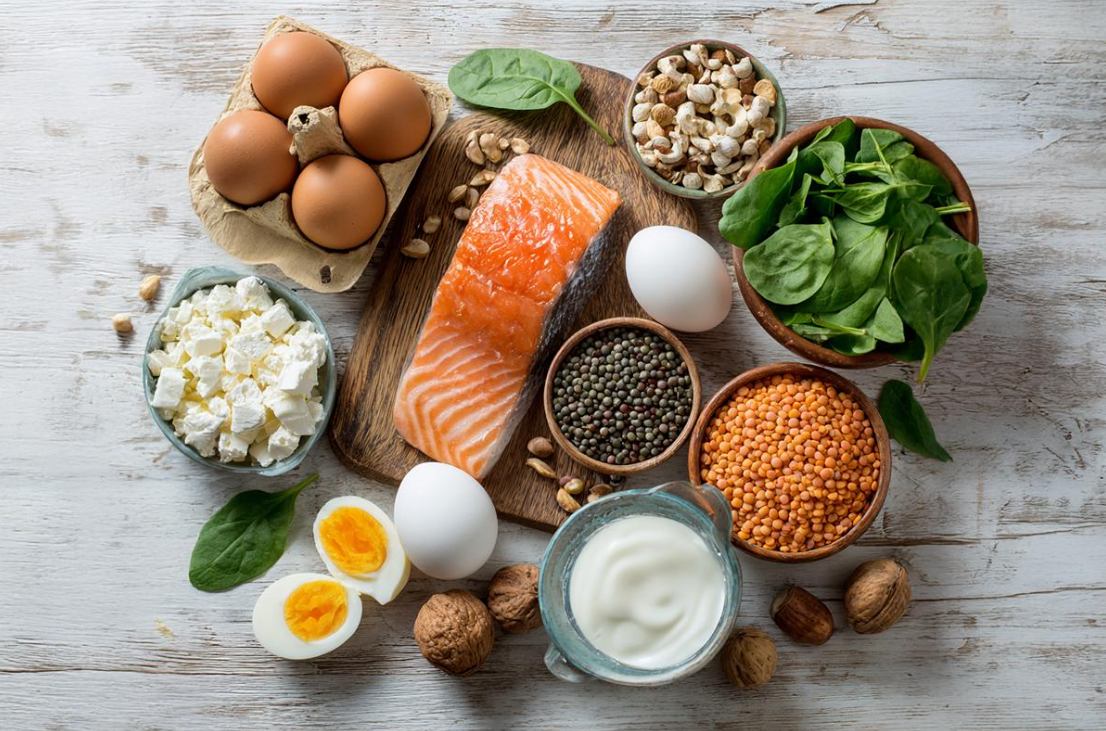
A practical approach is to include a quality protein source with each meal.
Examples include:
- Eggs
- Greek yogurt
- Fish
- Chicken
- Lean meats
- Cottage cheese
- Beans and legumes
- High-quality protein supplements when needed
Instead of focusing only on a daily number, start by asking:
“Am I giving my body enough opportunities throughout the day to support recovery?”
Consistency matters more than perfection.

Protein Timing: Does It Really Matter?
One of the biggest questions people ask is whether they have to eat protein immediately after a workout.
The answer is simpler than most people expect.
While eating protein after training can support recovery, what matters most is your total protein intake over the course of the day.
Think of your body like a construction site.
Strength training sends the crew to work.
Protein provides the building materials.
If the materials never arrive, the work slows down. However, if you consistently provide your body with enough high-quality protein throughout the day, you’re giving it what it needs to repair, recover, and adapt.
Instead of stressing over the perfect timing, focus on building consistent habits that fit your lifestyle. That’s what produces results over months and years.
Protein After 40: Animal or Plant Protein?
This question comes up often, and the answer depends on your preferences and overall diet.
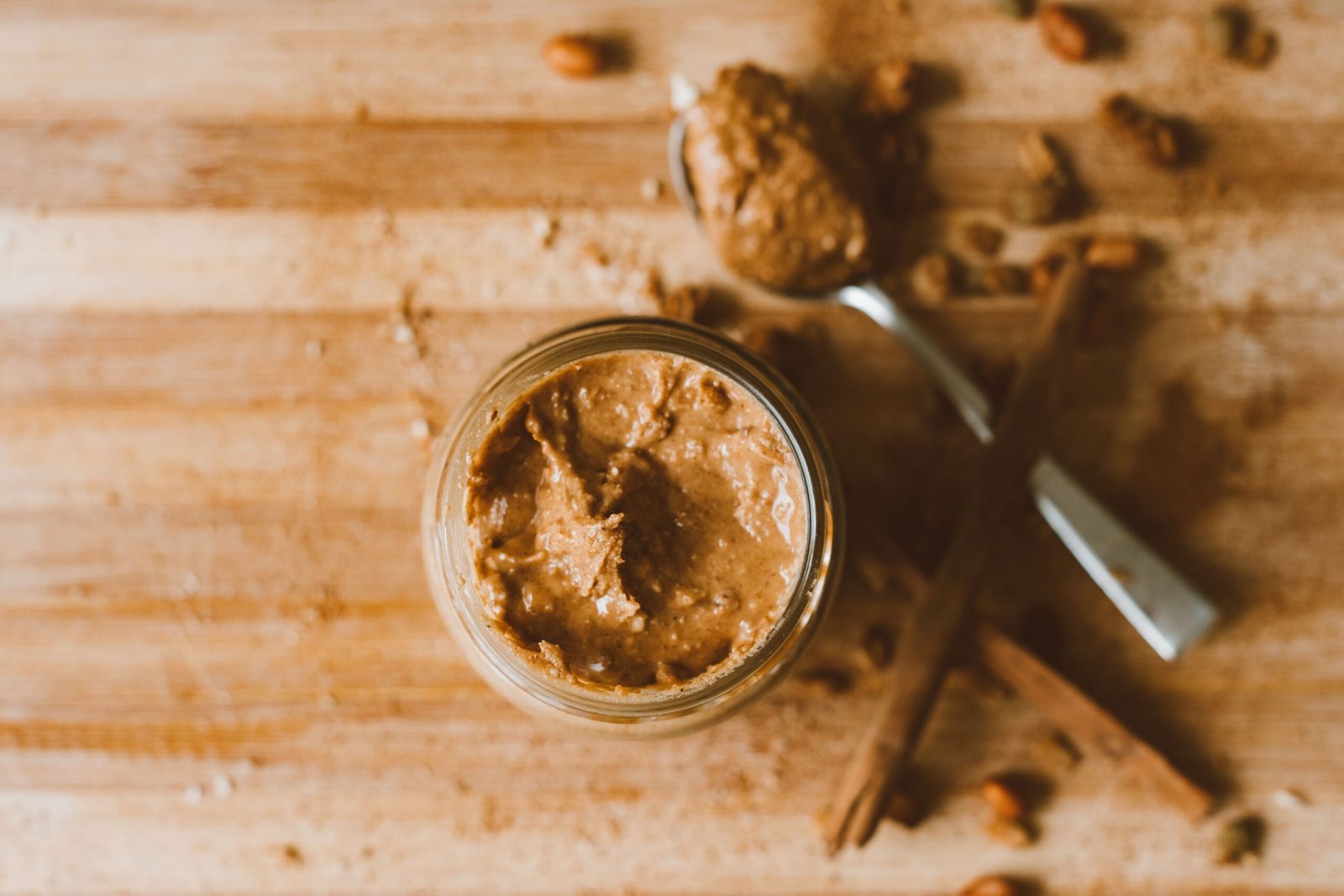
Animal proteins such as eggs, dairy, fish, chicken, and lean meats naturally contain all of the essential amino acids your body needs to build and repair muscle.
Plant-based proteins can absolutely support strength and recovery as well. However, they often require a little more planning to ensure you’re getting enough total protein and a good balance of amino acids throughout the day.
The goal isn’t to argue over which approach is best.
The goal is to consistently nourish your body with high-quality protein from sources you enjoy and can maintain long term.
A sustainable nutrition plan will almost always outperform the perfect plan you can’t stick with.
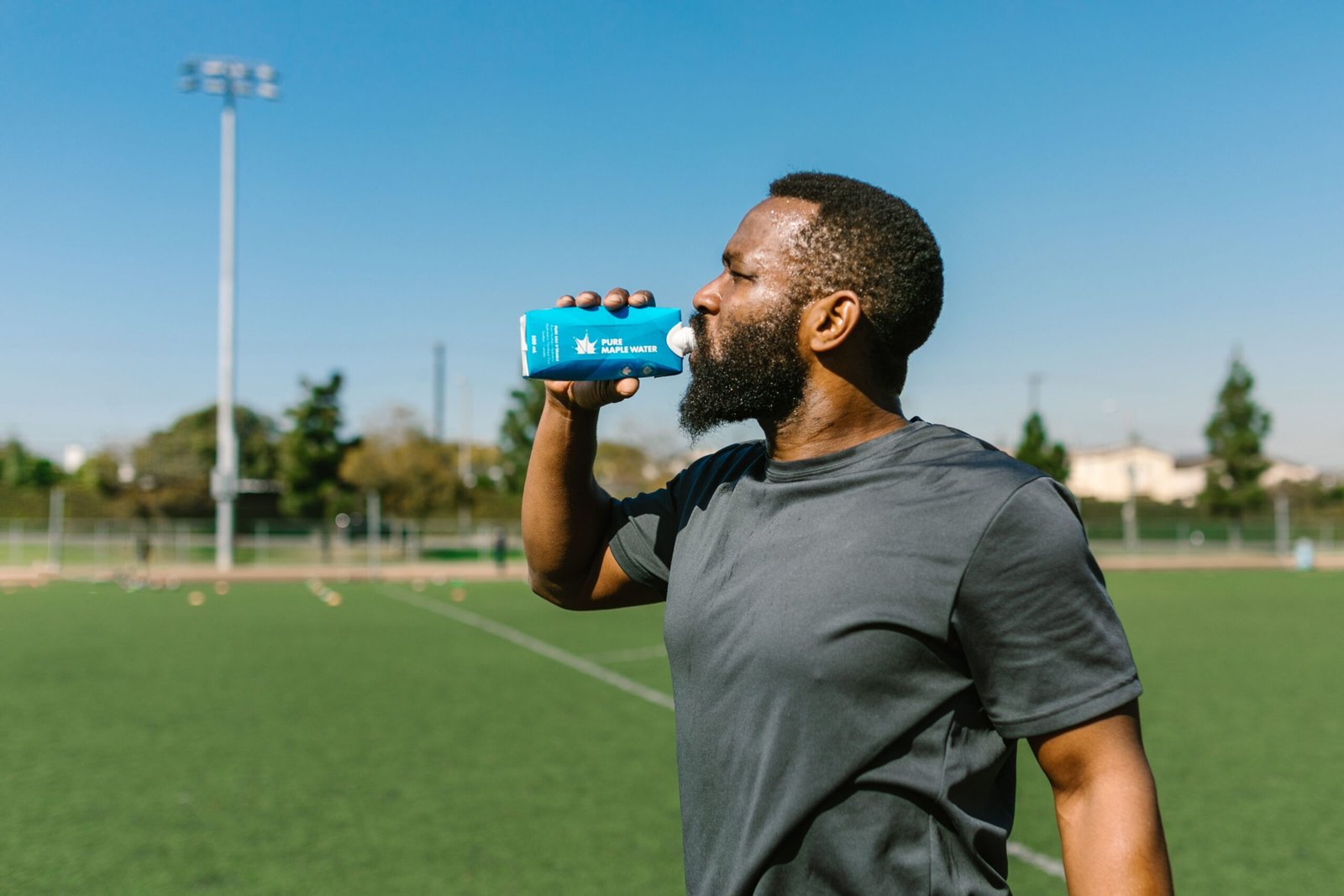
Common Protein Mistakes After 40
Many people aren’t falling short because they don’t care.
They’re falling short because they’ve been given confusing advice.
Here are a few common mistakes.
Waiting Until Dinner
Many people eat very little protein during the day and try to make up for it with one large meal at night.
Instead, try spreading your protein across your meals to give your body regular opportunities to recover and adapt.
Believing Supplements Are Required
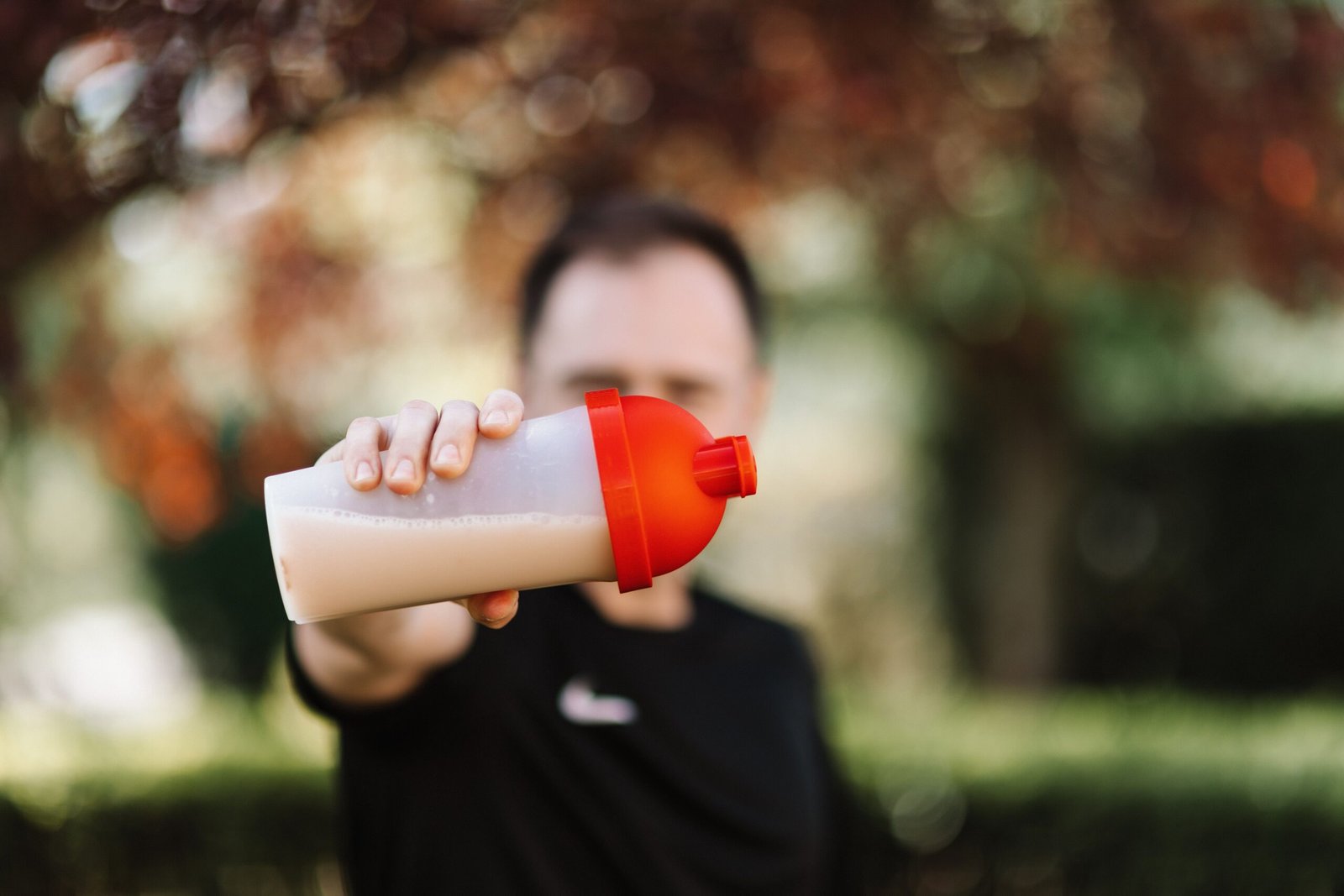
Protein powders can be convenient, especially after a workout or on busy days.
However, they’re exactly what the name suggests—a supplement.
Whole foods should form the foundation whenever possible.
Forgetting Recovery Is Bigger Than Protein
Protein is important, but it isn’t magic.
Sleep, strength training, hydration, stress management, and movement all work together.
When one piece is missing, the others become less effective.
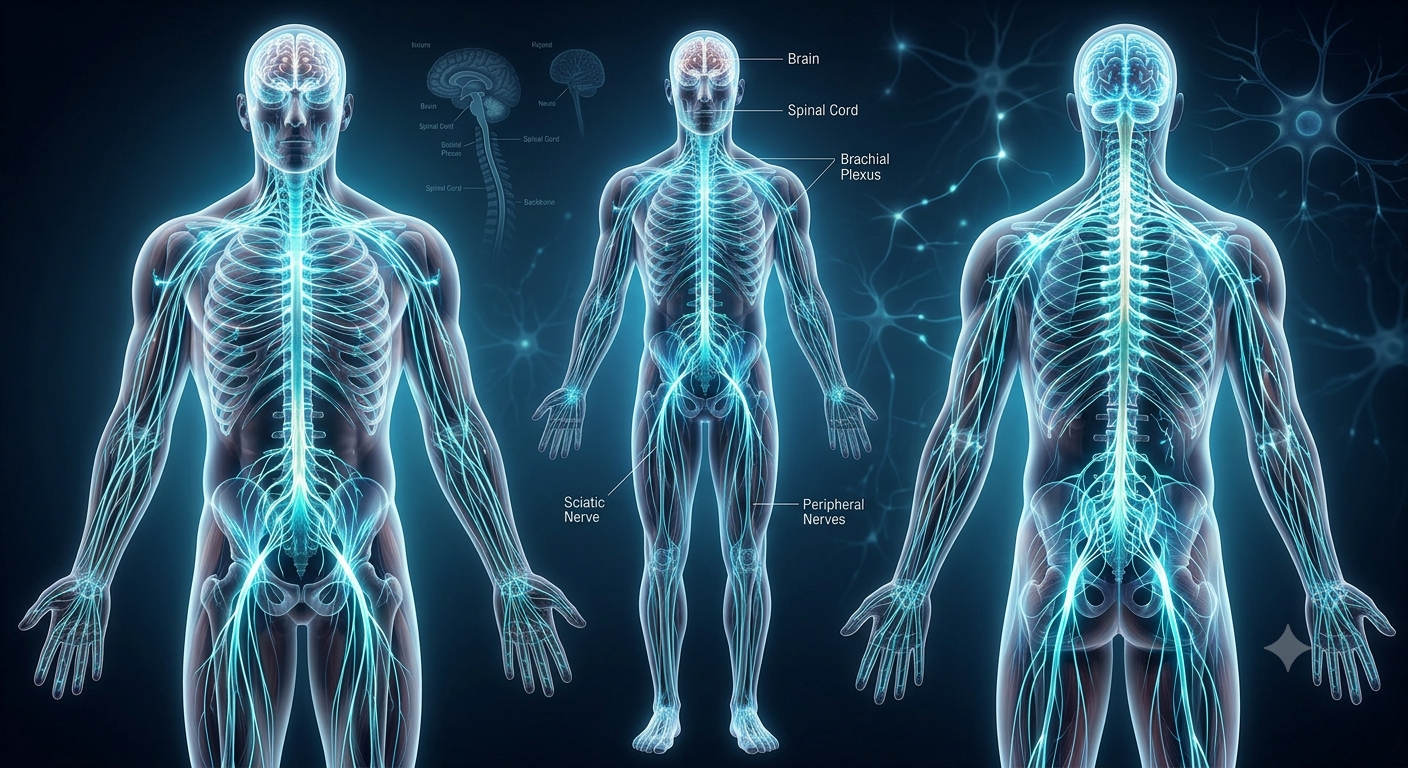
Protein After 40 and the Nervous System
This is where Full Armor takes a broader view.
Nutrition doesn’t work in isolation.
Your nervous system influences digestion, recovery, energy levels, sleep quality, and your ability to adapt to training.
When you’re constantly under stress, your body often prioritizes survival over recovery.
That doesn’t mean eating more protein fixes everything.
It means your body responds best when training, nutrition, recovery, and nervous system health work together.
Strength isn’t built by one workout.
Health isn’t built by one meal.
They’re built through consistent choices that support your entire system.
This is why protein after 40 should be viewed as part of a larger system that includes training, recovery, sleep, and stress management.
Protein After 40: What the Research Tells Us
Research consistently shows that combining resistance training with adequate protein intake supports muscle maintenance, strength, and physical function throughout adulthood.
Studies also suggest that older adults often benefit from consuming sufficient protein throughout the day to help support muscle protein synthesis, particularly when paired with regular resistance exercise.
The encouraging news is that it’s never too late to start.
Your body continues responding to movement and proper nutrition far longer than many people realize.
Small improvements, repeated consistently, can lead to meaningful changes over time.
The Research Behind This Article
Journal of Strength and Conditioning Research
Research on resistance training, protein intake, muscle development, strength adaptation, and healthy aging.
Sports Medicine
Systematic reviews examining protein intake, resistance training, muscle preservation, and exercise strategies across the lifespan.
British Journal of Sports Medicine
Research on nutrition, physical activity, healthy aging, exercise prescription, and the relationship between protein intake and resistance training outcomes.
Here’s the path
Protein isn’t about chasing the perfect diet.
It’s about giving your body what it needs to stay capable.
Every meal is another opportunity to support your future.
Not because you’re trying to become someone else.
Because you’re investing in the person you’re becoming.
Train consistently.
Recover intentionally.
Eat to support the life you want to live.
Your future strength is built one decision at a time.
When combined with strength training and healthy lifestyle habits, protein after 40 becomes one of the tools that helps you stay strong and capable for the years ahead.
Continue Your Journey
If you enjoyed this article, continue learning with these related resources:
- Strength Training After 40: Your Strongest Years May Still Be Ahead
- Exercise Recovery Tips: 7 Proven Ways to Recover Faster
- Mobility After 40: The Missing Piece to Staying Strong and Active
- Compound Exercises: 7 Proven Movements That Build Real Strength
Start Here
Strength begins with daily habits, not dramatic changes.
Download the Free Full Armor Nervous System Reset Guide to learn simple practices that support recovery, reduce stress, and help your body perform at its best.
Free Guide:
👉 https://fullarmorhq.com/free-guide/
If You Want to Go Deeper…
If you’re ready to build a complete system for lasting health, strength, and resilience, the Full Armor 21 Day Method will help you create habits that support your mind, body, and nervous system every day.
Go deeper:
👉 https://fullarmorhq.com/fullarmormethod/
No responses yet