

The Hidden Power of Isometric Exercises
Isometric exercises are one of the most effective ways to build strength, improve stability, and train your body to handle physical stress.
When most people think about getting stronger, they imagine movement.
Squats.
Push-ups.
Bench presses.
Deadlifts.
But one of the most effective ways to build strength doesn’t involve moving at all.
Isometric exercises use controlled muscle tension to create strength without changing joint position.
That simple concept creates powerful adaptations throughout your body.
Isometric exercises improve strength, stability, tendon health, posture, balance, and muscular endurance.
But one of their greatest benefits is often overlooked.
They teach your nervous system how to produce force while remaining calm, controlled, and efficient.
In a world that constantly pushes us to react, isometric training teaches something different.
It teaches the body how to stay steady under pressure.
That is a lesson that extends far beyond the gym.
What Are Isometric Exercises?
Strength Without Movement
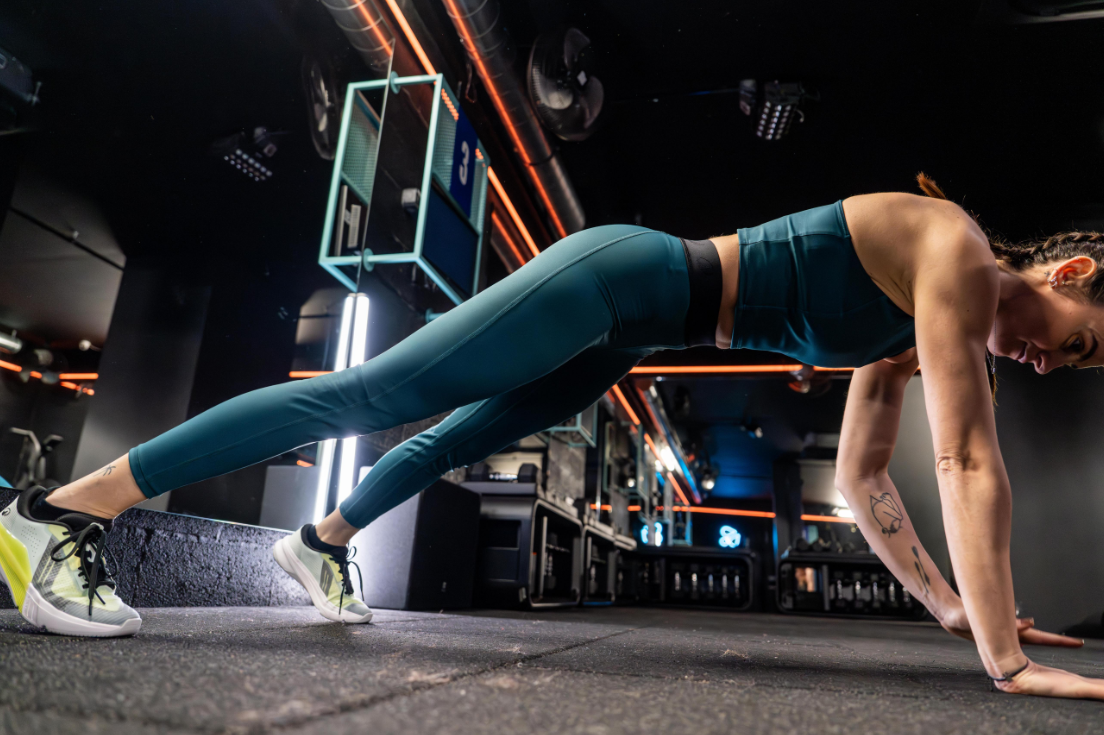
An isometric exercise occurs when your muscles contract but the joint does not move.
Imagine pushing against an immovable wall.
Holding the bottom position of a squat.
Maintaining a plank.
Carrying heavy weights without walking.
Your muscles are working incredibly hard, yet your body remains in the same position.
Although movement is limited, the nervous system is highly active.
It recruits muscle fibers, coordinates joint stability, and continually adjusts tension to maintain control.
That is why isometric exercises are far more demanding than they often appear.
Why Isometric Exercises Are So Effective
Every muscle contraction begins with a signal from your brain.
The nervous system determines:
- how many muscle fibers are recruited
- how much force is produced
- how efficiently muscles work together
- how long that force can be maintained
During an isometric hold, your nervous system receives continuous feedback from your muscles, tendons, joints, and connective tissues.
Instead of producing force for only a moment, it must sustain that force while maintaining stability.
This strengthens the communication between your brain and body.
Over time, those repeated signals improve coordination, motor control, and strength.
Muscles become stronger.
But just as importantly, the system controlling those muscles becomes more efficient.
The Powerful Nervous System Benefits of Isometric Exercises
Isometric Exercises Teach Your Nervous System To Stay Calm Under Pressure
One of the greatest benefits of isometric exercises has nothing to do with bigger muscles.
It has everything to do with how your nervous system responds to challenge.
When you hold a difficult position, your body immediately recognizes that work is being performed.
Your muscles begin producing force.
Your breathing changes.
Your heart rate increases.
Fatigue slowly builds.
At that moment, your nervous system has a choice.
It can interpret the discomfort as a threat and encourage you to quit.
Or it can learn that the challenge is controlled, safe, and temporary.
Every well-executed isometric hold teaches your nervous system that pressure does not always require panic.
Instead of reacting, you learn to stay present.
Instead of rushing through discomfort, you learn to breathe through it.
Over time, those experiences create confidence—not only in your muscles but in your body’s ability to remain steady under stress.
That lesson carries into everyday life.
The same nervous system that learns to stay composed during a difficult wall sit is the same nervous system you rely on during stressful meetings, difficult conversations, unexpected setbacks, and moments of uncertainty.
Isometric Exercises Improve The Mind-Body Connection
Every movement begins with communication.
Before your muscles can produce force, your brain sends electrical signals through the nervous system telling specific muscles when to contract, how strongly to contract, and how long to maintain that effort.
Isometric exercises strengthen this communication.
Because there is little or no movement to distract the body, your nervous system can focus entirely on producing stable, coordinated tension.
This improves what many coaches call the mind-body connection.
You become more aware of:
- posture
- breathing
- muscle activation
- balance
- body position
- joint alignment
As this awareness improves, movement becomes more efficient.
You begin recruiting the right muscles at the right time instead of relying on compensation patterns that can eventually lead to pain or injury.
The result is not simply greater strength.
It is greater control.
Why Isometric Exercises Build Better Stability
Strength without stability is difficult to use.
Imagine trying to fire a cannon from a canoe.
Without a stable foundation, even tremendous force becomes inefficient.
The same principle applies to the human body.
Before your arms and legs can create movement, your nervous system must first stabilize your spine, hips, shoulders, and core.
Isometric exercises challenge these stabilizing muscles in ways that traditional movements sometimes cannot.
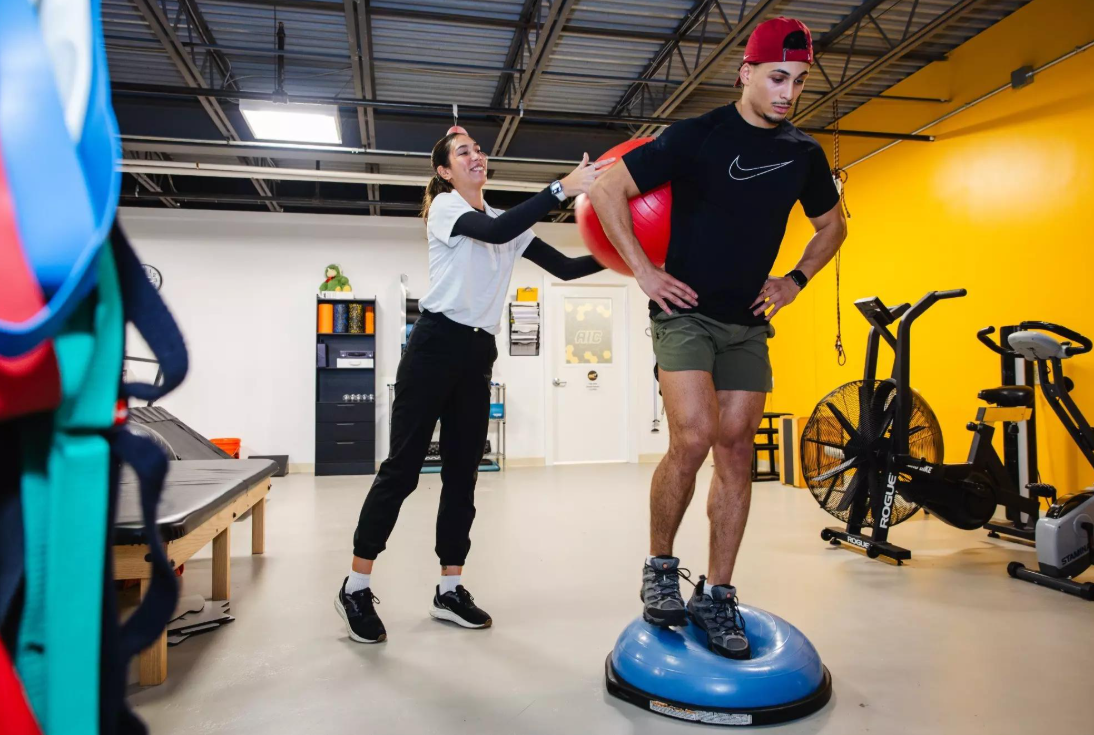
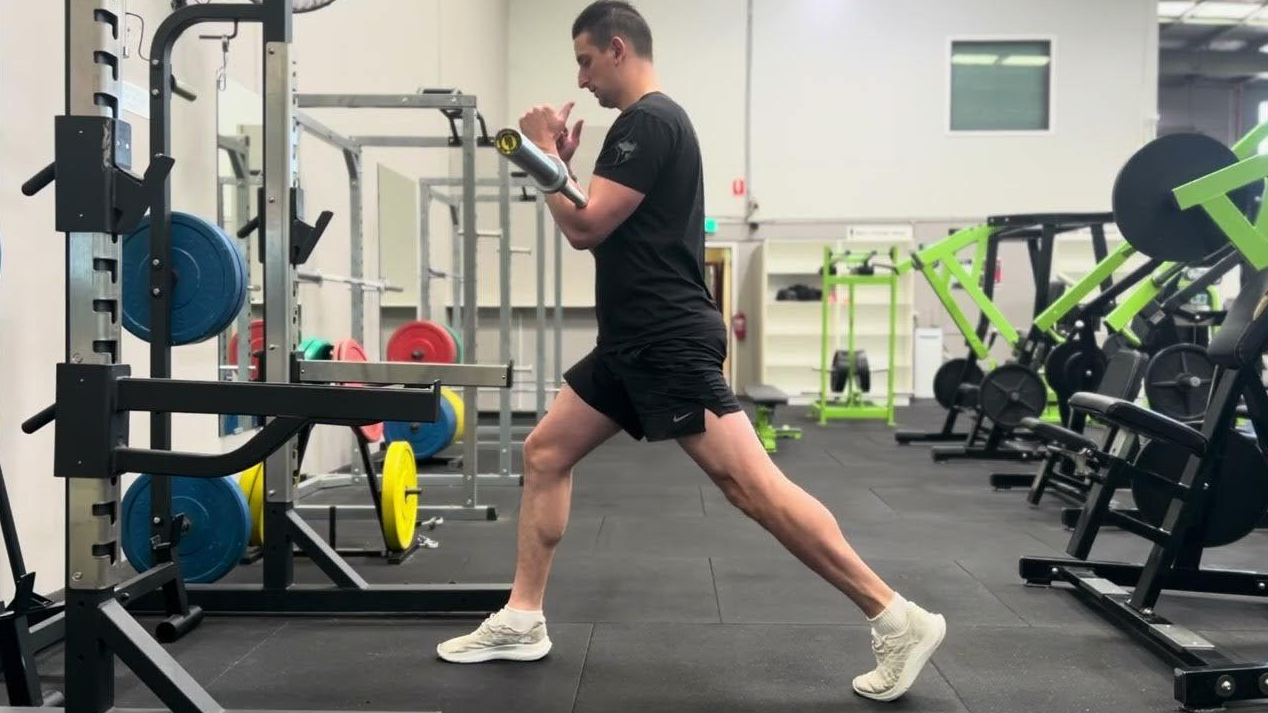
Every second you maintain a plank, split squat hold, or single-leg balance, your nervous system is making thousands of tiny adjustments to keep you in position.
Those constant corrections improve:
- balance
- coordination
- joint control
- posture
- movement efficiency
Whether you are an athlete trying to improve performance or someone who simply wants to move better as you age, stability becomes the foundation for everything else.
Why Isometric Exercises Build Powerful Full-Body Strength
Isometric Exercises Strengthen Tendons And Connective Tissue
When people think about getting stronger, they usually think about muscles.
But muscles are only one piece of the movement system.
Your tendons connect muscles to bones, transferring force every time you lift, push, pull, jump, or walk.
Healthy tendons improve stability, absorb force more efficiently, and reduce the risk of injury.
One of the unique benefits of isometric exercises is their ability to place controlled tension on tendons without requiring repeated joint movement.
This makes them valuable for both performance and rehabilitation.
In fact, physical therapists and sports performance coaches frequently use isometric exercises to help people recover from tendon injuries because they allow the body to build strength while carefully managing load.
Healthy tendons don’t just help athletes.
They help everyone move with greater confidence throughout life.
Isometric Exercises Support Joint Health
Strong muscles help move your joints.
Stable muscles help protect them.
Because isometric exercises involve little or no movement, they can often strengthen the muscles surrounding a joint without repeatedly loading the joint through a full range of motion.
That makes them especially useful for people experiencing:
- knee discomfort
- shoulder irritation
- hip instability
- ankle weakness
- early-stage rehabilitation
Of course, every exercise should match the individual’s needs and medical guidance.
But when programmed correctly, isometric exercises provide another valuable tool for building strength while respecting the body’s current capacity.
Isometric Exercises Improve Strength At Specific Joint Angles
Another unique advantage of isometric exercises is angle-specific strength.
Holding a squat halfway down strengthens the body at that particular position.
Holding the top of a pull-up develops strength where many people struggle most.
Athletes often use this principle to improve sticking points during heavy lifts.
It can also help everyday individuals become stronger and more confident in positions they use throughout daily life.
Rather than replacing traditional strength training, isometric exercises complement it by filling in gaps where additional stability and control are needed.
The Hidden Performance Benefits Of Isometric Exercises
Better Athletic Performance Begins With Better Control
Explosive movement begins with stability.
Whether you’re sprinting, swinging a golf club, throwing a baseball, or standing up from a chair, your body must first create a stable foundation before producing force.
That is one reason elite athletes regularly include isometric exercises in their training programs.
Improved stability allows force to transfer more efficiently throughout the body.
Instead of leaking energy through poor positioning or unstable joints, more force reaches the movement itself.
The result can be:
- improved balance
- faster acceleration
- greater force production
- improved posture
- better movement efficiency
Performance is not simply about producing more force.
It is about producing force with greater control.
Isometric Exercises Can Improve Grip Strength
Grip strength is one of the strongest indicators of overall strength and healthy aging.
Simple exercises like:
- farmer holds
- dead hangs
- towel hangs
- heavy carries
challenge the muscles of the hands and forearms while requiring the nervous system to maintain continuous force.
Improved grip strength benefits more than lifting weights.
It supports:
- carrying groceries
- opening jars
- climbing
- manual work
- sports performance
- overall functional independence
Sometimes the smallest muscles reveal the greatest improvements in resilience.
Longevity Is Built Through Consistency
One of the greatest strengths of isometric exercises is accessibility.
They require very little equipment.
Many can be performed almost anywhere.
Most can be modified for beginners or advanced athletes.
That means they are easier to perform consistently.
And consistency is ultimately what creates lasting results.
The best exercise program is rarely the most complicated.
It is the one you can continue doing for years.
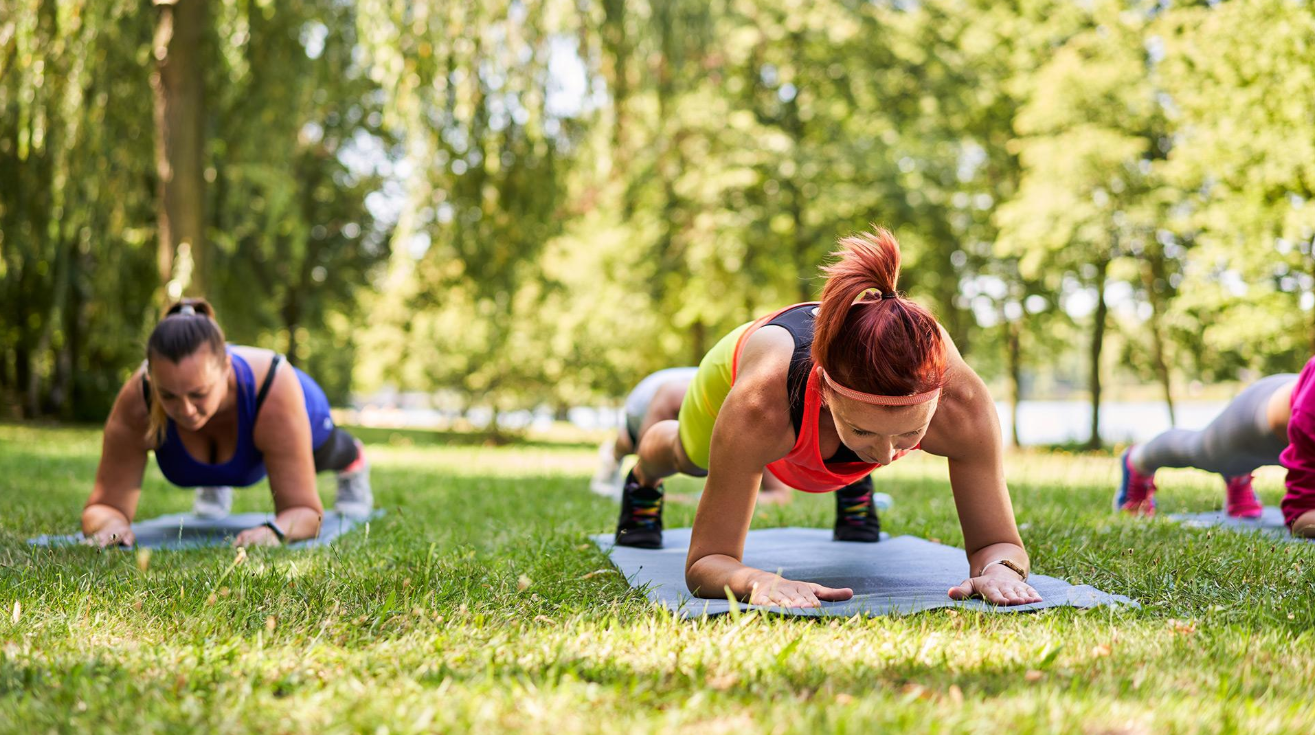
Simple Isometric Exercises Anyone Can Start Today
You don’t need expensive equipment or years of training experience to benefit from isometric exercises.
Many of the most effective movements use only your body weight.
Some excellent places to begin include:
- Wall Sit
- Plank
- Side Plank
- Glute Bridge Hold
- Split Squat Hold
- Dead Hang
- Farmer Hold
- Push-Up Hold
- Hollow Body Hold
- Calf Raise Hold
Start with 15–30 seconds.
Focus on controlled breathing rather than simply enduring discomfort.
As strength improves, gradually increase your hold time or resistance.
Remember, quality always matters more than duration.
Here’s The Path
Most people think strength is built through movement.
Sometimes it is built through stillness.
Isometric exercises remind us that growth doesn’t always require constant action.
Sometimes progress happens by learning to remain steady under pressure.
Life constantly presents moments of tension.
A difficult conversation.
A demanding job.
Financial stress.
Unexpected setbacks.
Your nervous system has a choice in each of those moments.
React automatically.
Or respond intentionally.
Every controlled isometric hold becomes practice for something much bigger than physical fitness.
It becomes practice for staying grounded when life becomes uncomfortable.
Strength isn’t only measured by how much weight you can move.
It is measured by how well you can remain present when life asks more of you.
That’s the path.
The Research Behind This Article
Current research supports many of the benefits associated with isometric exercises, including improvements in strength, tendon health, pain management, and blood pressure.
Isometric Exercise And Blood Pressure
Isometric Exercise Training for Blood Pressure Management: A Systematic Review and Meta-analysis
British Journal of Sports Medicine – This review examines how isometric exercise training can improve resting blood pressure and cardiovascular health, highlighting its potential as an effective strategy for supporting overall health and resilience.
Isometric Strength Training And Tendon Adaptation
Isometric Training and Long-Term Adaptations: Effects of Muscle Length, Intensity, and Intent: A Systematic Review
Scandinavian Journal of Medicine & Science in Sports
This review examines how isometric training influences strength, neuromuscular adaptations, and tendon-related changes, showing how controlled high-intensity contractions can improve force production and physical performance.
Neuromuscular Adaptations To Strength Training
Long-Term Neurophysiological Adaptations to Strength Training: A Systematic Review With Cross-Sectional Studies
Journal of Strength and Conditioning Research
This review explains how strength training improves communication between the brain and muscles through neural adaptations, including improved motor unit recruitment, coordination, and force production.
Together, this research reinforces what coaches and therapists have observed for years: Strength is not only about building muscle. It is about improving the systems that create movement in the first place.
Continue Your Journey
If you enjoyed learning about isometric exercises, continue exploring how movement and nervous system health work together.
- How Strength Training Helps Regulate Your Nervous System
- Why Strength Training Improves More Than Just Muscle
- Why Chronic Stress Keeps Your Nervous System Stuck In Survival Mode
- 7 Hidden Signs Your Nervous System Is Dysregulated
Start Your Recovery
Movement is one of the most powerful ways to support a healthy nervous system—but it works best when combined with intentional recovery habits.
Download the FREE Full Armor Nervous System Reset Guide to learn simple daily practices that help regulate stress, improve recovery, and build long-term resilience.
Free Guide:
https://fullarmorhq.com/free-guide/
If You Want To Go Deeper
Learning is the first step.
Daily practice creates lasting change.
The Full Armor 21 Day Method combines movement, breathwork, nervous system regulation, recovery, nutrition awareness, and intentional habits into a practical framework designed to help you build resilience from the inside out.
If you’re ready to go beyond information and begin creating lasting change, the Full Armor 21 Day Method provides the structure to help you get there.
Full Armor 21 Day Method:
https://fullarmorhq.com/fullarmormethod/
No responses yet