

What Is Balance Training?
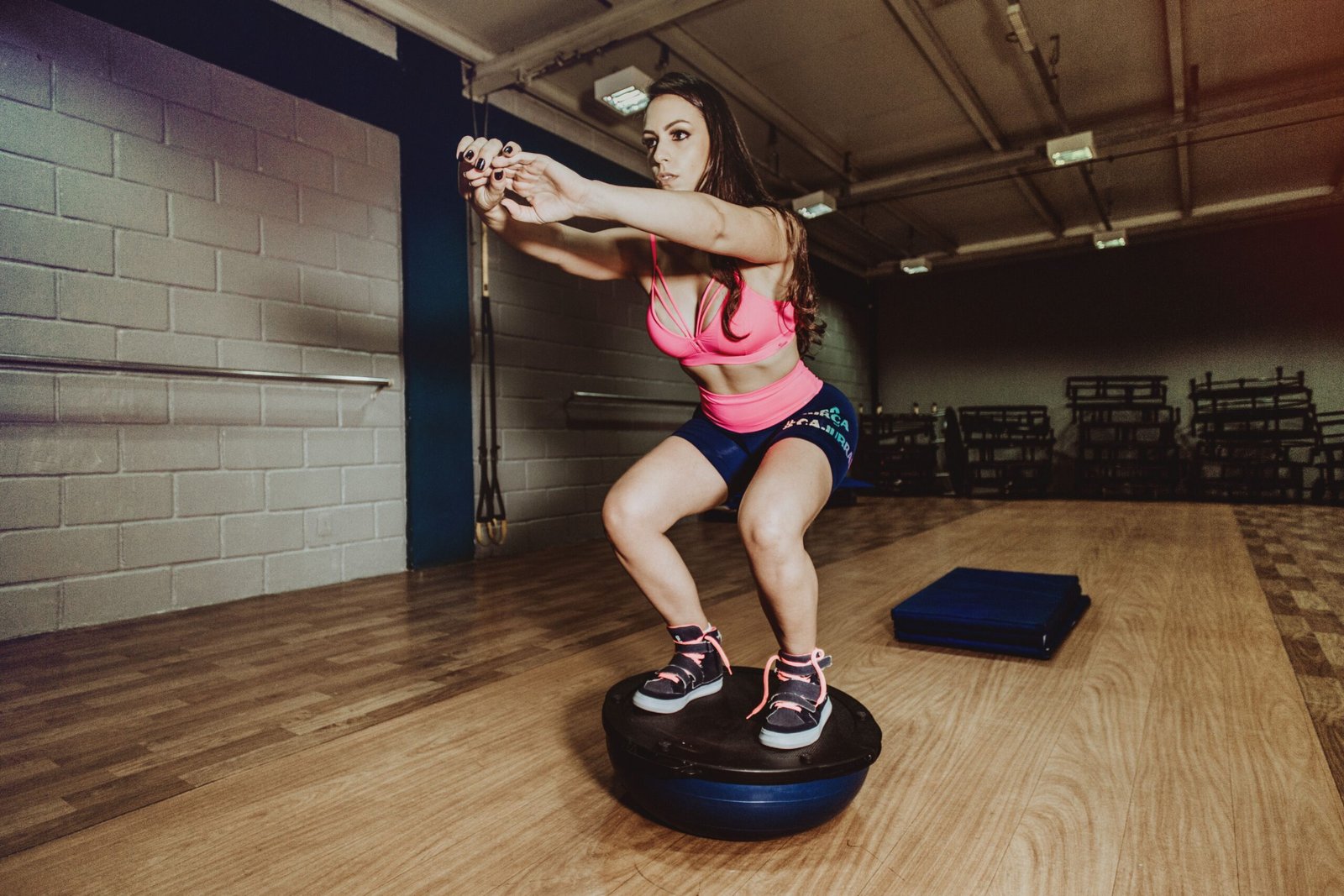
Balance training is any exercise that challenges your ability to maintain control of your body while standing still or moving.
This could be as simple as standing on one foot while brushing your teeth or as advanced as performing single-leg deadlifts, walking lunges, or carrying uneven weights.
The goal isn’t to make the exercise difficult for the sake of difficulty. The goal is to teach your nervous system how to process information more efficiently and respond more effectively.
Every balance exercise asks your body the same question:
“Can you stay in control?”
Your nervous system answers that question by coordinating thousands of tiny adjustments every second.
This is why balance isn’t simply about strong muscles. It’s about communication.
How Balance Training Strengthens Your Nervous System
Your muscles don’t decide when to contract.
Your brain does.
Every movement begins as an electrical signal traveling from your brain through your spinal cord and into your muscles. The quality of that signal determines how well you move.
Your nervous system is constantly receiving information from three major systems:
Your Eyes
Vision tells your brain where you are in space and helps predict movement before it happens.
Close your eyes while standing on one leg and you’ll immediately notice how much harder the exercise becomes.
Your Inner Ear
The vestibular system inside your inner ear detects changes in head position and movement.
It’s constantly helping you stay upright without you consciously thinking about it.
Your Proprioceptors
Perhaps the most overlooked system is proprioception—your body’s ability to sense where it is in space.
Tiny receptors inside your muscles, tendons, ligaments, and joints constantly send information back to your brain.
They’re the reason you can touch your nose with your eyes closed or walk without watching your feet.
Balance training strengthens this communication loop.
The more accurately your nervous system receives information, the more confidently your body responds.

The Hidden Benefits of Balance Training
Many people assume balance declines simply because of age.
Age certainly plays a role, but it’s often not the primary reason.
Balance usually declines because we stop challenging it.
Modern life asks very little of our bodies.
We spend hours sitting.
We walk on flat surfaces.
We wear supportive shoes that reduce the work our feet naturally perform.
We rarely move in different directions.
Over time, the nervous system becomes less practiced at responding to unpredictable situations.
It’s similar to learning a language.
If you stop speaking it, you become less fluent.
The same principle applies to movement.
Your nervous system becomes better at whatever you repeatedly ask it to do.
If you consistently challenge your balance, it adapts.
If you don’t, it gradually becomes less efficient.
Balance Training After 40
One of the most overlooked benefits of balance training has nothing to do with muscles.
It changes how safe your brain feels.
When your nervous system trusts your body’s ability to respond, movement becomes less threatening.
You walk more confidently.
You react faster.
You hesitate less.
You become more willing to stay active.
This matters because fear often changes the way we move.
Someone who’s afraid of falling typically becomes stiff, cautious, and guarded.
Ironically, those protective strategies often increase the likelihood of losing balance.
As your nervous system develops greater confidence, movement becomes smoother, more relaxed, and more efficient.
Confidence isn’t just a mindset.
It’s a nervous system adaptation.
Best Balance Training Exercises to Start Today
You don’t need a balance machine, a complicated program, or an hour of extra training.
You need to give your nervous system a reason to pay attention.
Start with simple movements that challenge your ability to control your body. As your balance improves, gradually make the movements more demanding.
Single-Leg Stand
Stand near a wall or sturdy surface for safety.
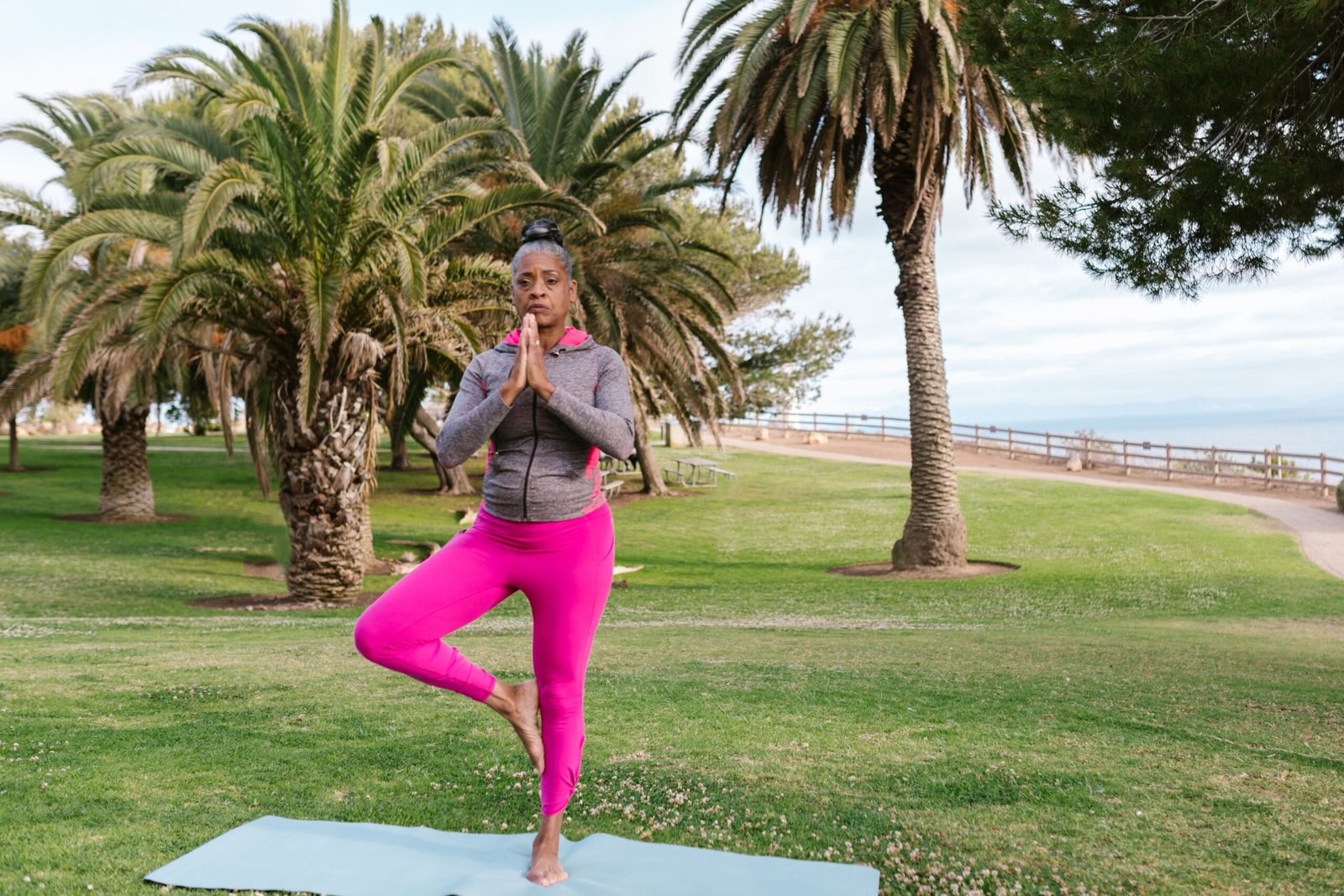
Lift one foot off the floor and hold your position for 20–30 seconds. Switch sides.
Your goal isn’t simply to stay upright. Pay attention to the small adjustments happening through your foot, ankle, hips, and core.
Progression: Try reaching your free leg forward, to the side, and behind you without touching the floor.
Heel-to-Toe Walk
Walk slowly in a straight line, placing the heel of one foot directly in front of the toes of the opposite foot.
Take 10–20 controlled steps.
This challenges your ability to maintain balance while your body is moving rather than simply standing still.
Progression: Slow the movement down even further or practice it while turning your head gently from side to side.
Step-Up to Balance
Stand in front of a low, stable step.
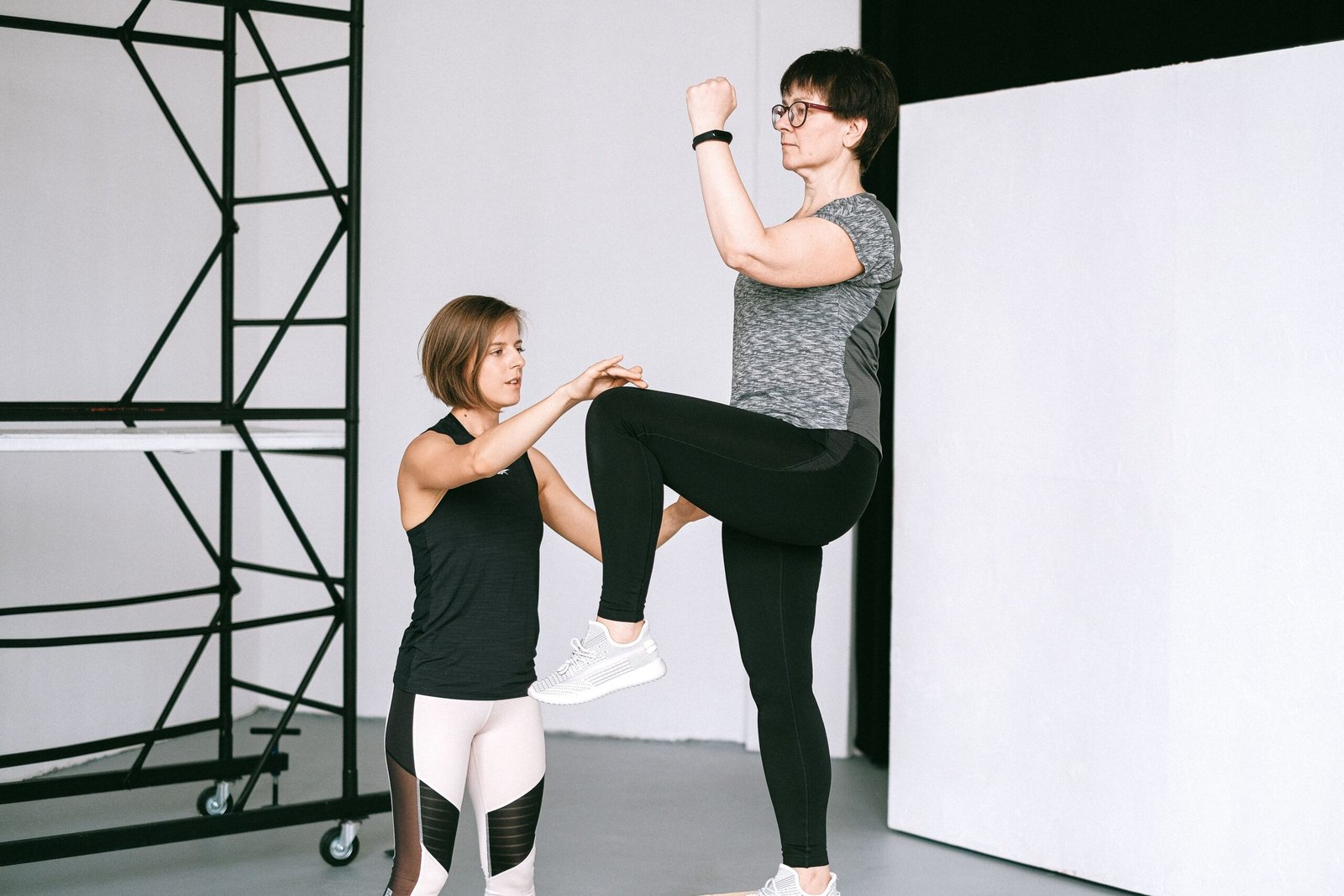
Step up with one foot and bring the opposite knee toward your chest. Hold the top position for two or three seconds before stepping back down.
Perform 6–10 repetitions per side.
This combines strength, coordination, and balance—the same qualities your nervous system needs when navigating stairs, curbs, trails, and everyday obstacles.
Single-Leg Romanian Deadlift
Stand on one leg with a slight bend in your knee.
Slowly hinge at your hips while extending the opposite leg behind you. Keep your spine controlled and return to standing.
Start without weight.
Once you can perform the movement with control, add a light dumbbell.
This exercise challenges your posterior chain while forcing your nervous system to stabilize your entire body on one leg.
Suitcase Carry
Hold a dumbbell or kettlebell in one hand and walk slowly while keeping your torso upright.
Don’t let the weight pull you sideways.
Walk for 20–40 seconds, then switch hands.
This looks simple, but your nervous system has to continuously make tiny corrections to keep your body centered.
Progression: Increase the weight gradually or walk over a slightly more challenging surface.
Sit-to-Stand Without Using Your Hands
Sit on a sturdy chair.
Without pushing off with your hands, stand up under control. Then slowly lower yourself back down.
Perform 8–12 repetitions.
This develops lower-body strength while challenging your ability to control your center of mass—an important skill for maintaining independence as you age.
Try This Simple Balance Routine
If you’re new to balance training, you don’t need to do everything at once.
Start with:
- Single-leg stand — 20–30 seconds per side
- Heel-to-toe walk — 10–20 steps
- Step-up to balance — 6–10 reps per side
- Sit-to-stand — 8–12 reps
- Suitcase carry — 20–40 seconds per side
Perform this routine two or three times per week.
The goal isn’t to make yourself exhausted.
The goal is to make your nervous system adapt.
And that’s an important distinction.
Balance training isn’t about proving how long you can stand on one leg.
It’s about teaching your body to respond when something changes.
A curb.
A loose rock.
A missed step.
A sudden change in direction.
The stronger that response becomes, the more capable you become.
Balance Training Is a Daily Practice
The good news is that balance doesn’t require expensive equipment or complicated workouts.
Small challenges performed consistently are often more effective than long, occasional sessions.
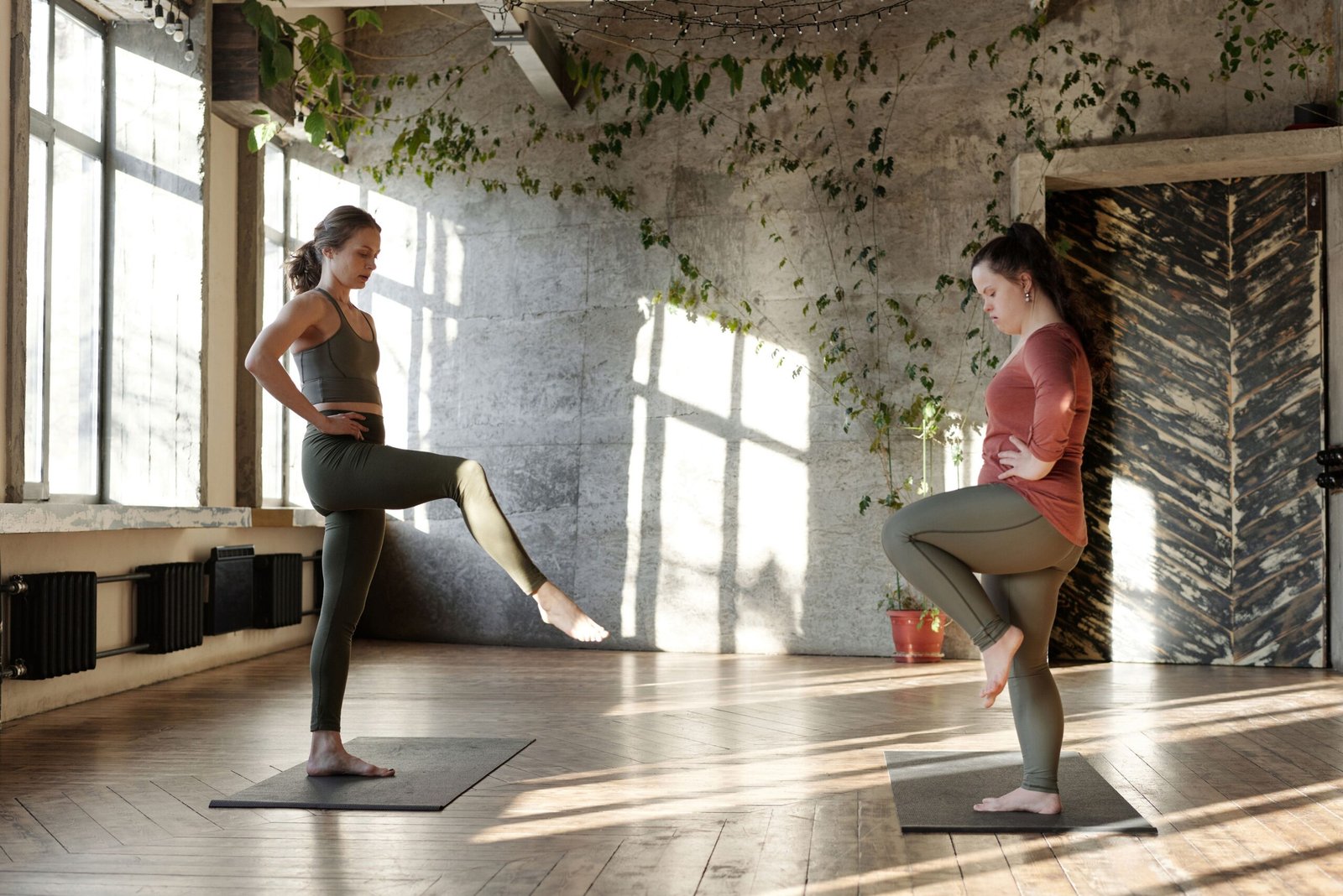
Try standing on one foot while brushing your teeth.
Walk slowly heel-to-toe down a hallway.
Carry your groceries in one hand instead of two.
Practice stepping over obstacles instead of around them.
Stand up from a chair without using your hands.
These simple movements teach your nervous system something valuable:
“You are capable.”
Over time, those lessons build resilience that carries into every part of life.
And perhaps that’s the deeper lesson.
Your nervous system is always adapting.
The question is:
What are you teaching it every day?
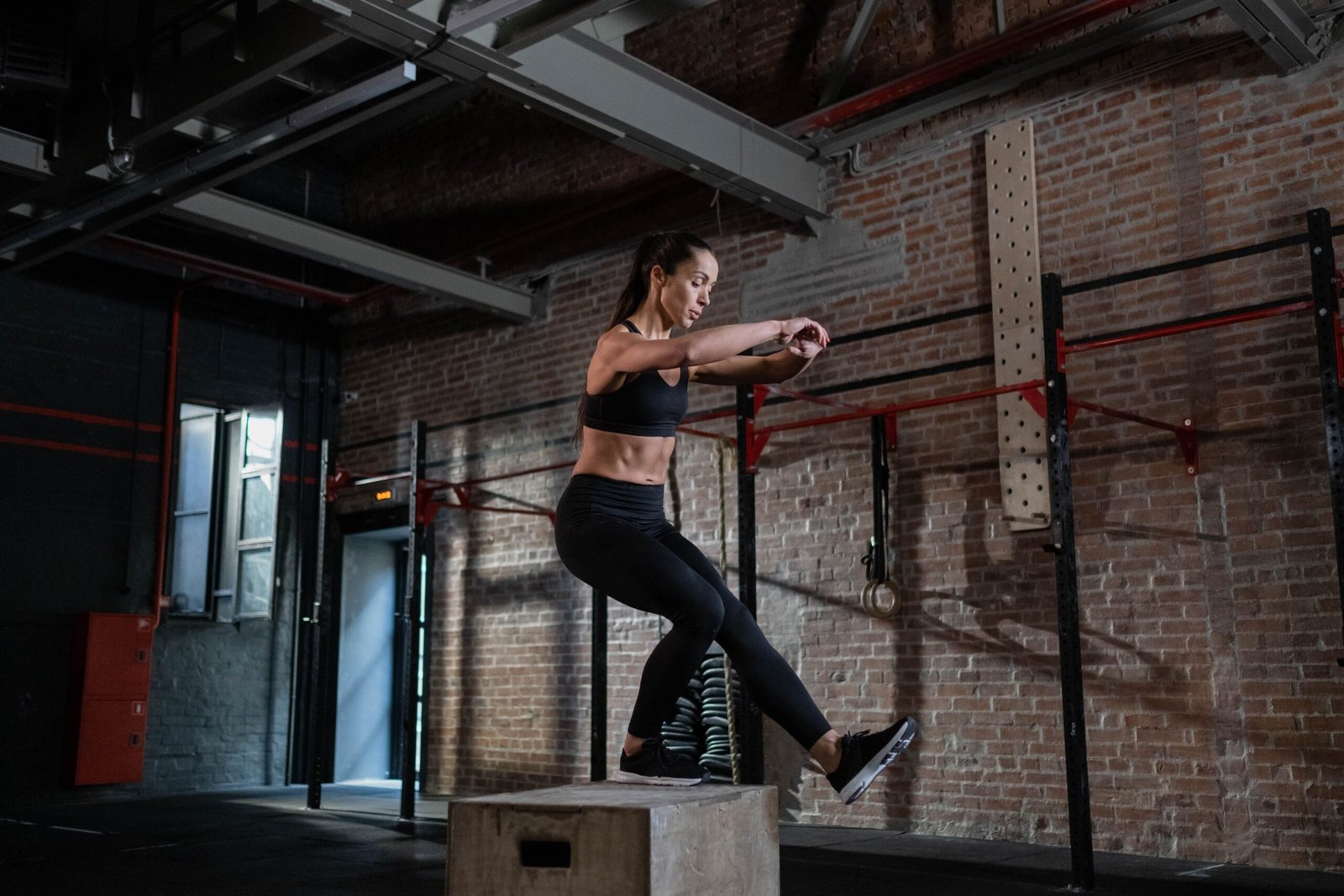
The Science Behind Balance Training
It’s easy to think balance is something you either have or you don’t. Science tells a different story.
Your nervous system is remarkably adaptable. Every time you challenge your balance, your brain strengthens the pathways responsible for sensing movement, coordinating muscles, and responding to changes in your environment. This process, known as neuroplasticity, allows your body to become more efficient with practice.
Think about learning to ride a bicycle. At first, every movement feels awkward and unstable. But over time, your nervous system learns. Eventually, balancing becomes automatic.
The same process happens throughout your life.
Every time you stand on one leg, navigate uneven ground, or perform a single-leg exercise, you’re teaching your nervous system how to respond more efficiently. These small challenges create lasting adaptations that improve movement, confidence, and resilience.

Ancient Wisdom Still Applies
Long before neuroscience explained balance, people understood the value of stability.
Ancient practices such as Tai Chi, martial arts, and mindful walking emphasized controlled movement, awareness, and intentional breathing. While they differed in philosophy and purpose, they shared a common understanding: strength begins with control.
Scripture echoes this principle in a different way.
“For God gave us a spirit not of fear but of power and love and self-control.” — 2 Timothy 1:7
While this verse speaks primarily to spiritual confidence, it also reflects an important truth about how we live. A regulated life isn’t driven by fear or reactivity. As we learn to slow down, become more aware, and respond with intention, we often find greater steadiness in both body and mind.
What the Research Says
Balance Training for Neuromuscular Control
Balance Training for Neuromuscular Control and Performance Enhancement: A Systematic Review
Journal of Athletic Training
This systematic review examined how balance training influences neuromuscular control, proprioception, and movement efficiency. The researchers found that balance training improves communication between the nervous system and muscles, helping the body react more effectively during movement and athletic performance.
Sensorimotor Exercise and Balance
Sensorimotor and Proprioceptive Exercise Programs to Improve Balance in Older Adults: A Systematic Review with Meta-analysis
European Journal of Translational Myology
This review analyzed multiple studies on proprioceptive and sensorimotor exercise. Participants improved balance, mobility, and postural control, demonstrating that challenging the body’s sensory systems strengthens nervous system function and movement quality.
Exercise and Fall Prevention
Exercise for Improving Balance in Older People
Cochrane Database of Systematic Reviews
This comprehensive review evaluated nearly 10,000 participants across dozens of clinical trials. The evidence showed that balance-focused exercise improves postural control and reduces fall risk, supporting exercise as one of the most effective strategies for maintaining independence with age.
Here’s The Path
Balance isn’t just about preventing a fall.
It’s about learning to trust your body again.
Every small challenge teaches your nervous system that it can adapt. Every moment of intentional practice strengthens the connection between your brain and your body. Over time, those small improvements become a stronger foundation for how you move, recover, perform, and live.
Many of us spend years trying to become stronger without first becoming more aware.
But awareness comes before improvement.
Your nervous system is always learning from what you repeatedly do.
Teach it confidence instead of fear.
Teach it resilience instead of avoidance.
Teach it movement instead of stagnation.
That’s the path toward healing.
That’s the path toward becoming who you were created to be.
That’s the Full Armor way.
Continue Your Journey
- How Strength Training Regulates Your Nervous System
- Mobility After 40: The Key to Staying Strong and Active
- Isometric Exercises: The Hidden Nervous System Benefits You Need
- Seven Proven Exercise Recovery Tips to Help You Recover Fast
- Strength Training After 40: Build Strength for Life
Start Your Recovery
If you’d like a simple place to begin, download the Free Full Armor Nervous System Reset Guide. It outlines practical daily habits to help regulate your nervous system, improve recovery, and build a healthier foundation.
If You Want to Go Deeper
The Full Armor 21-Day Method provides a step-by-step framework to help you strengthen your nervous system, create lasting habits, and move toward becoming who you were created to be.
No responses yet