

Functional strength training is about building strength you can actually use in everyday life. You can spend years getting stronger in the gym and still discover that everyday movements challenge you more than you expected.
Maybe carrying heavy grocery bags across a parking lot leaves your grip exhausted. Getting up off the floor feels awkward. You struggle to lift something from the ground without rounding your back, or you feel less steady when stepping over an obstacle.
These moments reveal something important: strength isn’t just about how much weight you can lift. It’s also about what you can do with that strength when life happens.
Functional strength training focuses on building the physical abilities you use outside the gym. It develops the strength, control, coordination, and capacity needed to handle everyday tasks with greater confidence.
At Full Armor, the goal isn’t simply to make exercise harder. It’s to make the work you do in training matter in the rest of your life.
Let’s look at what functional strength training actually means, why it matters, and how you can start building strength that serves you beyond your next workout.
What Is Functional Strength Training?
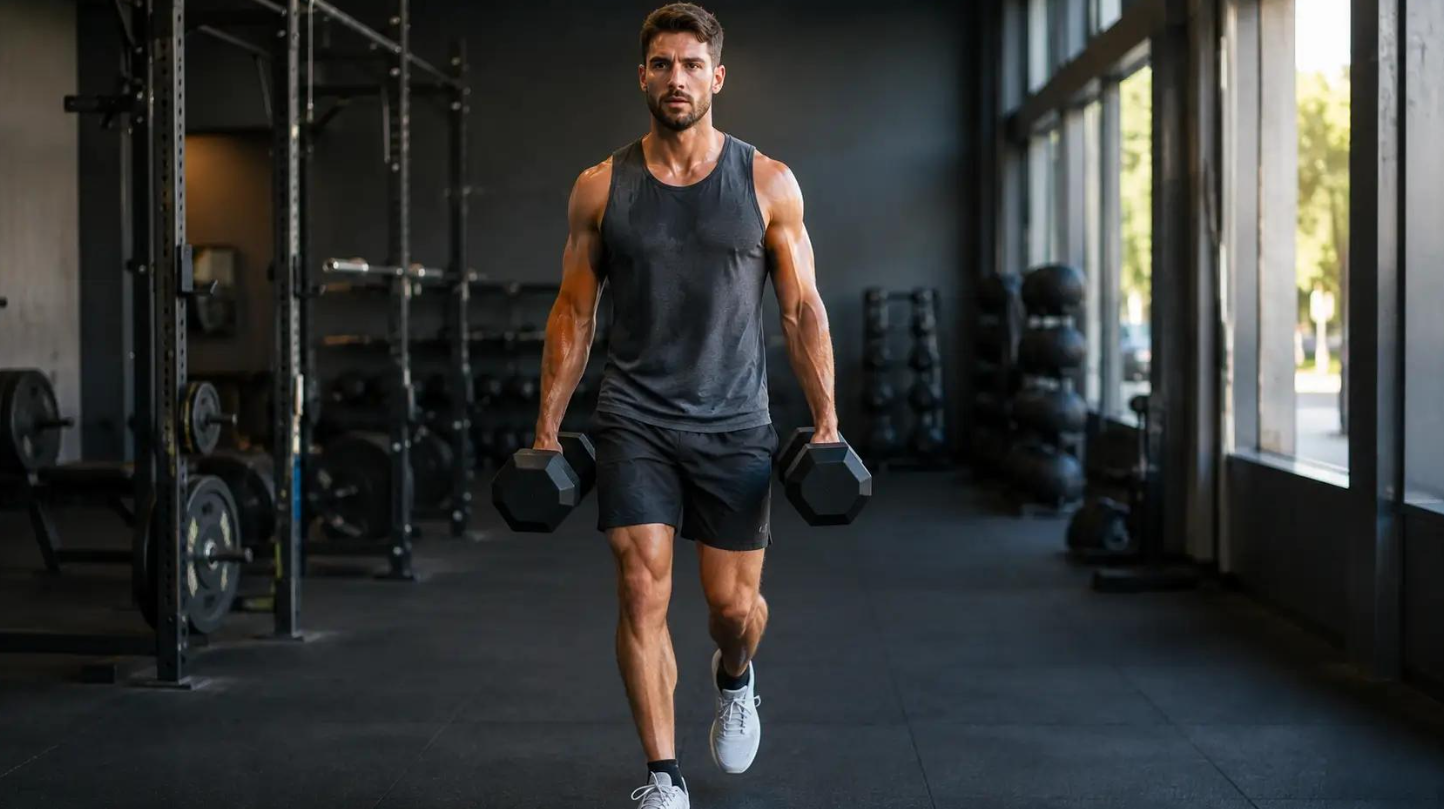
Functional strength training develops the physical abilities you need to perform real-world movements and activities.
Think about the physical demands of an ordinary day. You bend to pick something up, carry objects, reach overhead, climb stairs, get in and out of a vehicle, rotate your body, and move across uneven surfaces.
Each activity requires some combination of strength, mobility, balance, coordination, and control.
Functional training uses resistance exercises and movement patterns that help develop those abilities. Depending on your goals, it might include squats, hinges, carries, step-ups, pushes, pulls, and controlled rotational movements.
The defining feature isn’t a particular exercise or piece of equipment. It’s the purpose behind the exercise.
A barbell squat can help build functional strength. So can a resistance-band exercise, a loaded carry, or a controlled sit-to-stand movement. The right choice depends on your current ability, the demands of your life, and what you’re working toward.
Functional training also doesn’t mean abandoning traditional strength training. Building muscle and developing strength provide the foundation for many everyday tasks. Functional exercises help you apply those qualities to useful movements.

Why Everyday Strength Matters More Than You Think
It’s easy to judge physical fitness by appearance, body weight, or performance in the gym. Those measurements can be useful, but they don’t tell the whole story.
Consider what happens when ordinary physical tasks become more difficult. You might avoid carrying something heavy, rely more heavily on your arms to stand up, or hesitate before climbing a steep set of stairs.
Over time, avoiding activities can reduce opportunities to maintain the very abilities those activities require.
The answer isn’t to turn every household chore into a workout. It’s to maintain enough physical capacity that everyday tasks remain manageable.
Research supports the value of this approach. A 2024 systematic review examining functional training in community-dwelling older adults found that functional training could improve activities of daily living. The findings for balance and mobility were not consistently better than those from other exercise programs, which is an important reminder that no single training method does everything.
The broader lesson is simple: training can help preserve the abilities that support independence and participation in daily life.
And this isn’t just relevant to older adults. Whether you’re raising children, working on your feet, participating in recreational sports, or simply trying to feel more capable in your body, practical physical strength has value.
The 6 Movement Patterns Worth Training
You don’t need dozens of complicated exercises to start building useful strength. Begin by understanding the major movement patterns that show up repeatedly in everyday life and incorporate them into your Functional Strength Training.
1. Squatting: Sit Down and Stand Up With Confidence
You squat when you sit in a chair, lower yourself toward the floor, or stand back up.
Training this pattern develops the muscles of your legs and hips while challenging your ability to control your body through a range of motion.
Try this: Chair squats.
Stand in front of a sturdy chair with your feet approximately shoulder-width apart. Push your hips back, bend your knees, and lower yourself under control until you lightly touch the seat. Stand back up.
Start with a comfortable depth. Use the chair for support if needed, and gradually increase the challenge as your strength and control improve.
2. Hip Hinging: Pick Things Up More Effectively
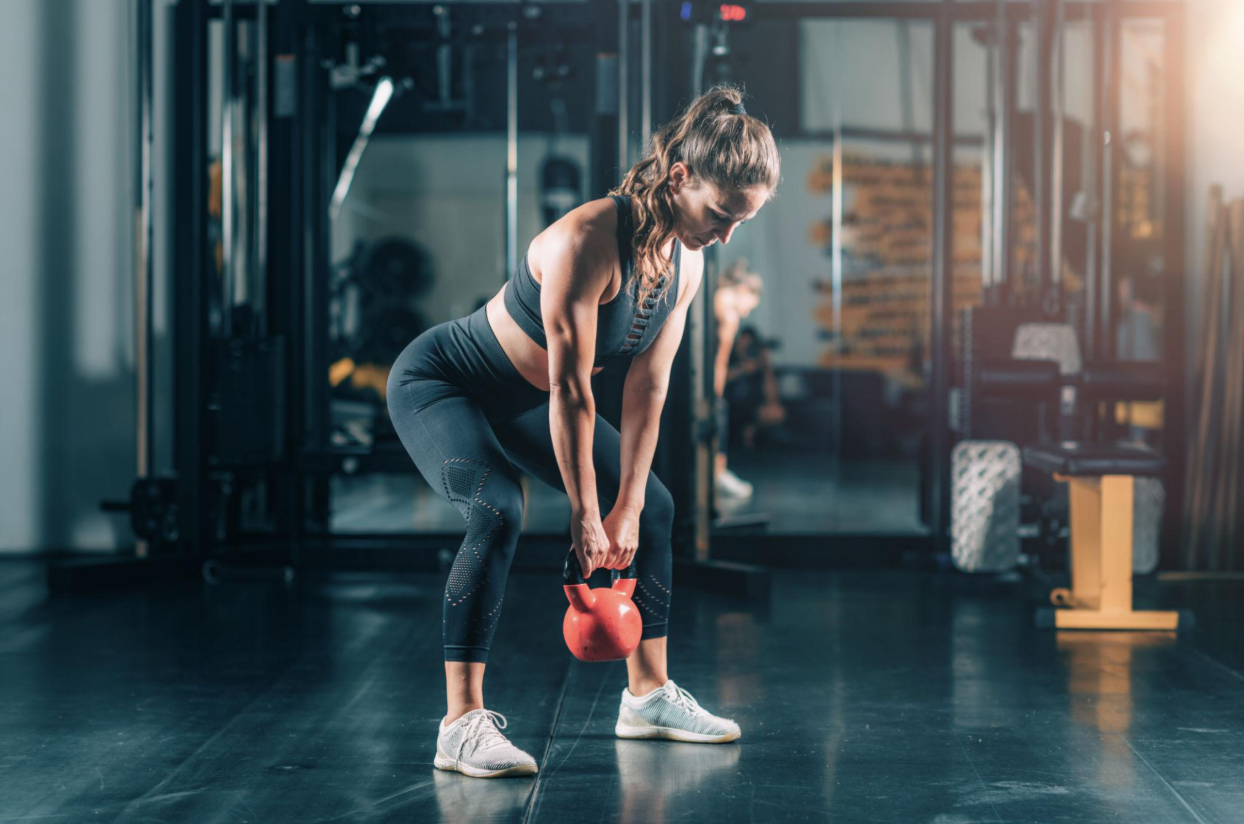
Picking up a laundry basket, lifting a bag from the ground, or moving a heavy object requires you to coordinate your hips, legs, and trunk.
The hip hinge teaches you to move through your hips rather than relying entirely on your lower back.
Try this: Dowel hip hinges.
Stand with a dowel or broomstick along your back, maintaining contact with your head, upper back, and pelvis. Soften your knees and push your hips backward while keeping your trunk controlled. Return to standing.
Once you can perform the movement comfortably, you can progress to a light dumbbell or kettlebell deadlift.
3. Pushing: Move Objects Away From You
Pushing appears when you open a heavy door, push a cart, move furniture, or press something onto a shelf.
Try this: Wall push-ups.
Place your hands against a wall around chest height. Keep your body aligned as you bend your elbows and bring your chest toward the wall. Push yourself back to the starting position.
As the exercise becomes easier, you can progress to a sturdy countertop or an appropriately modified floor push-up.
4. Pulling: Bring Objects Toward You
Pulling helps you handle doors, move objects closer, and manage tasks that require your back and arms.
Try this: Resistance-band rows.
Secure an appropriate resistance band according to its instructions. Hold the ends, keep your trunk steady, and draw your elbows backward. Pause briefly, then return under control.
Avoid jerking the band or leaning backward to finish the repetition.
5. Carrying: Build Strength You Can Use Immediately
Carrying is one of the clearest examples of practical strength. You carry groceries, luggage, tools, laundry, and countless other objects.
A loaded carry challenges your grip, upper body, trunk, and ability to walk while managing an external load.
Try this: Farmer carries.
Hold a light dumbbell in each hand. Stand tall, keep your shoulders relaxed, and walk a short, clear path with controlled steps. Put the weights down safely before fatigue affects your posture.
Increase the distance or load gradually, rather than trying to carry as much weight as possible.
6. Stepping and Balancing: Handle Changes in Height and Direction
Stairs, curbs, uneven ground, and stepping around obstacles all require some combination of leg strength, balance, and coordination.
Try this: Low step-ups.
Use a stable, nonslip step at a height you can manage comfortably. Place one foot on the step, press through that leg, and rise under control. Step down slowly and repeat.
Use a railing or other stable support when needed. Start low, and don’t increase the height until you can perform the movement confidently.
These six patterns provide a practical starting point. They can be adapted to different fitness levels, available equipment, and individual goals.
How to Build a Simple Functional Strength Training Routine
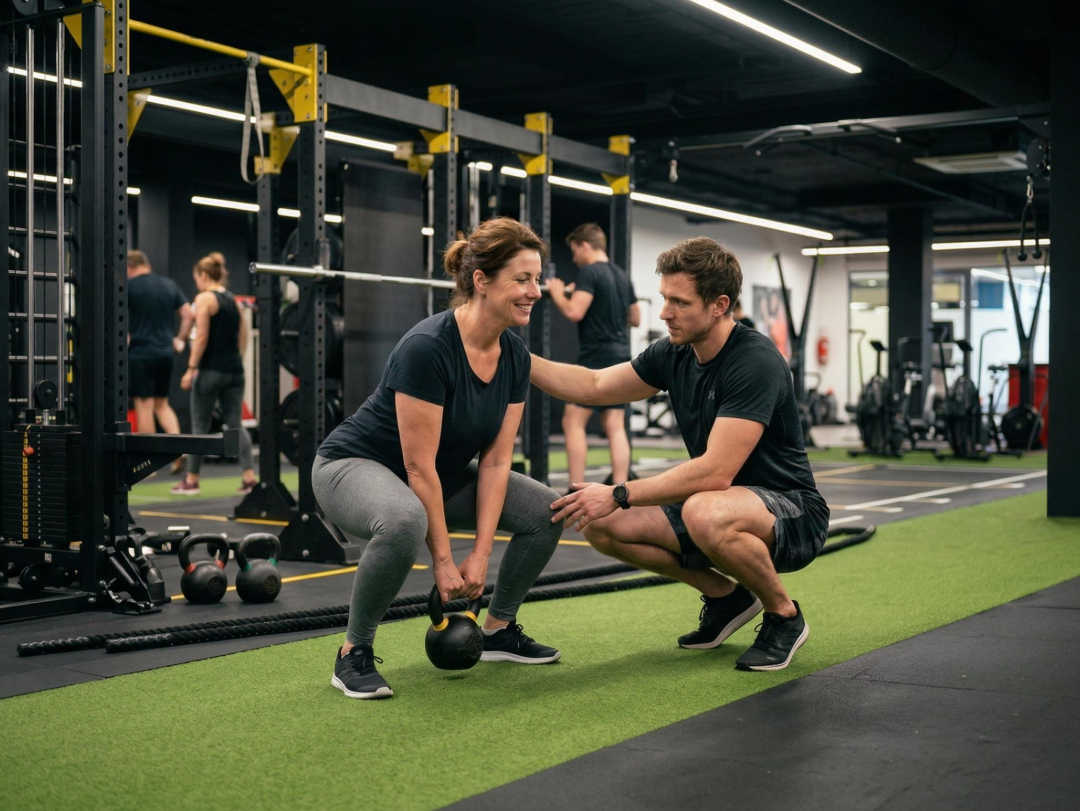
You don’t need a complicated program to get started. Consistency, appropriate exercise selection, and gradual progression matter more than making every session exhausting.
Here’s a straightforward example for a generally healthy beginner.
| Exercise | Sets | Repetitions or duration |
|---|---|---|
| Chair squats | 2 | 8–12 reps |
| Hip hinges | 2 | 8–10 reps |
| Wall push-ups | 2 | 8–12 reps |
| Resistance-band rows | 2 | 8–12 reps |
| Farmer carries | 2 | 20–30 seconds |
| Low step-ups | 2 | 6–8 per side |
Rest as needed between sets. Choose resistance that allows you to maintain control and finish each set with good technique.
This is an example, not a universal prescription. Your Functional Strength Training starting point may be easier or more challenging depending on your experience, mobility, health, and training history.
For most healthy adults, the Centers for Disease Control and Prevention recommends muscle-strengthening activities involving all major muscle groups at least two days per week, alongside regular aerobic activity. You can use this routine as one part of a broader program.
For more guidance on organizing your sessions, read Strength Training Schedule: How Often to Train.
How to Progress Without Making Every Workout Harder
One common mistake is assuming that functional training must constantly become more complicated.
It doesn’t.
You can make meaningful progress by adjusting one variable at a time through Functional Strength Training:
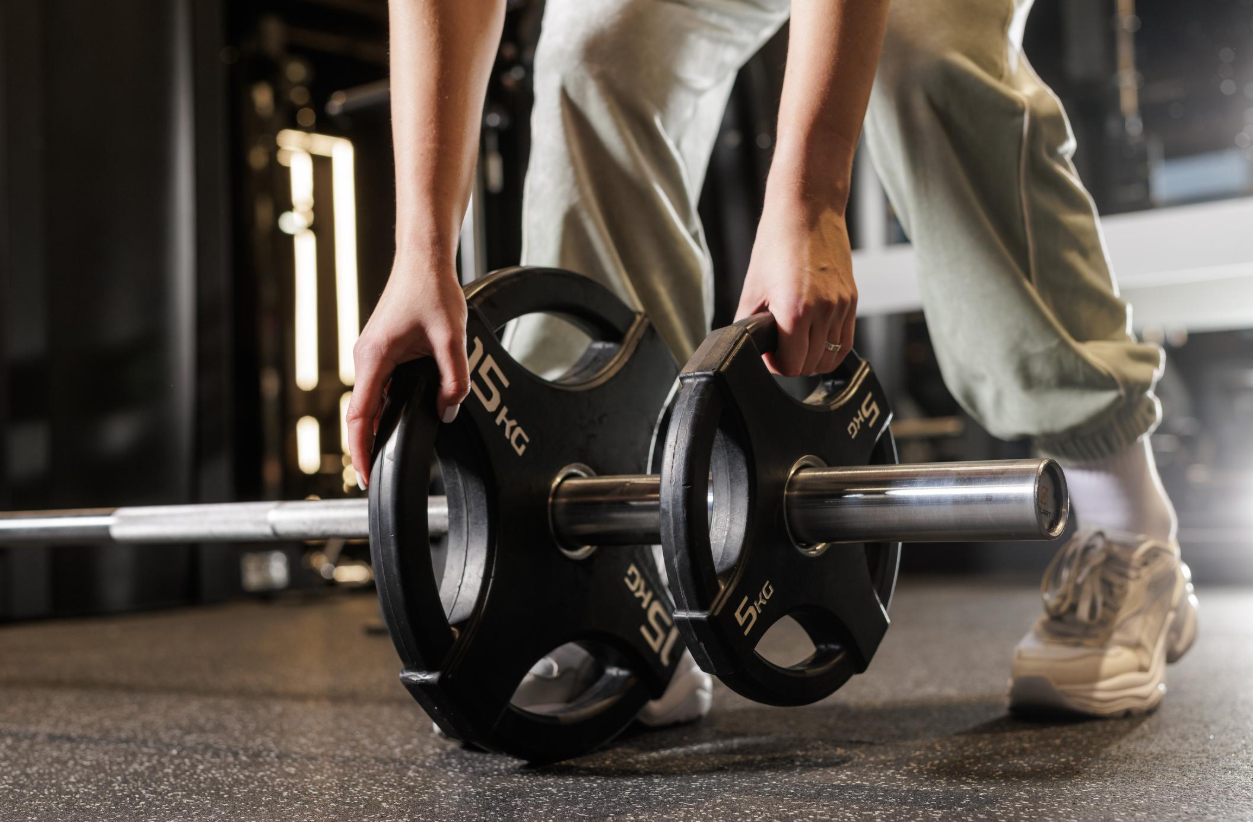
- Resistance: Increase the load when the current weight becomes manageable.
- Repetitions: Perform a few additional repetitions while maintaining good technique.
- Control: Improve your ability to move smoothly through the exercise.
- Range of motion: Gradually work through a greater comfortable range when appropriate.
- Duration or distance: Carry a load a little farther or maintain a controlled position slightly longer.
- Coordination: Practice more demanding movement patterns after you’ve developed the necessary foundation.
For example, you might begin with chair squats, progress to free-standing bodyweight squats, and eventually add resistance.
Each step builds on the previous one.
The American College of Sports Medicine’s 2026 position stand, which reviewed 137 systematic reviews involving more than 30,000 participants, found that resistance training improves several aspects of physical function, including strength, power, balance, and walking-related outcomes.
The review supports progressive resistance training, but it doesn’t suggest that everyone needs complex exercises or advanced equipment to benefit.
The goal is to find an appropriate challenge and build from there.
Functional Strength Isn’t About Making Exercise Look Impressive
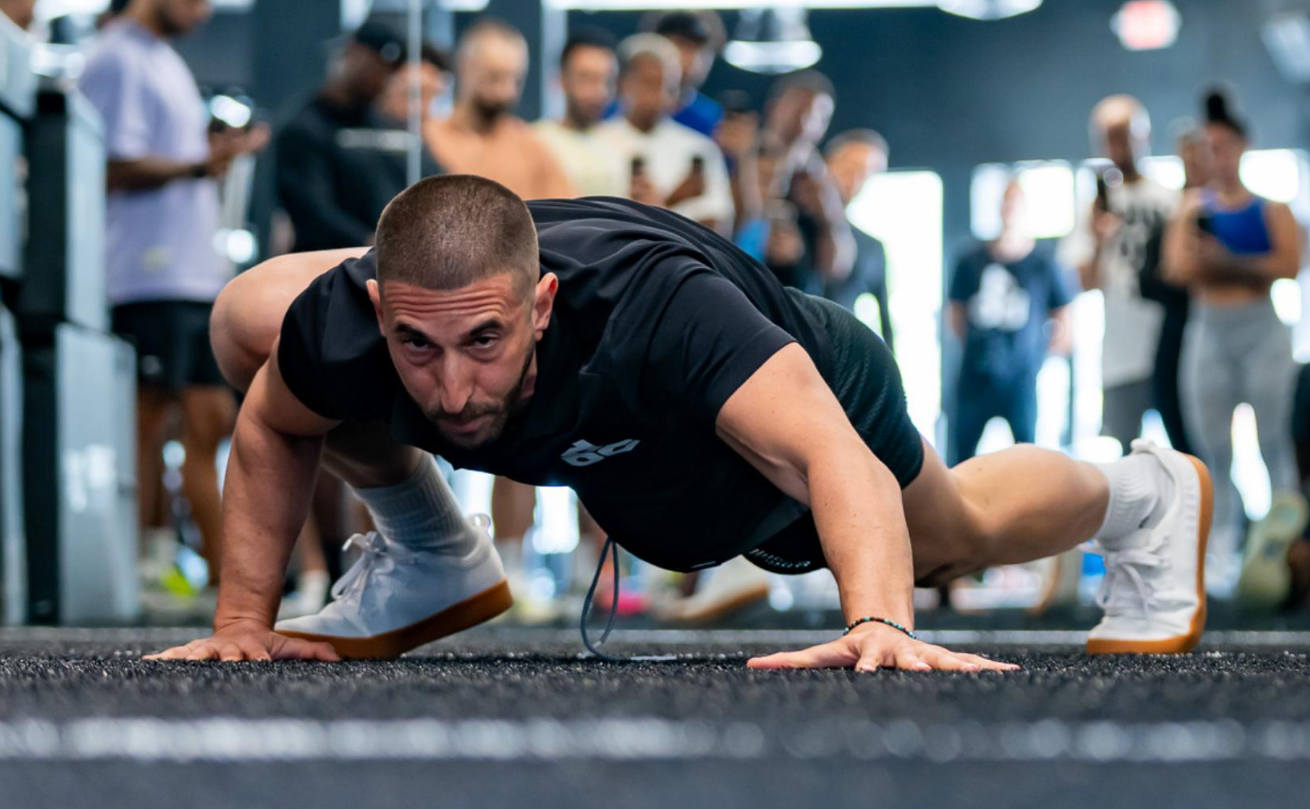
You’ve probably seen exercise videos featuring unstable surfaces, complicated combinations, and movements that require considerable coordination.
Some advanced exercises may be appropriate for particular athletes or specific training goals. But complexity alone doesn’t make an exercise more functional.
If your goal is to carry groceries with greater ease, you don’t necessarily need to perform a complicated balance exercise while holding weights. You may benefit more from developing basic leg strength, practicing loaded carries, and improving your ability to walk under control.
If you want to get up from the floor more comfortably, you may need a combination of leg strength, hip mobility, and practice with the relevant movement—not an elaborate exercise circuit.
Choose the exercise for the ability you want to develop, not for how impressive it looks.
A good program should make sense for your life. It should challenge you without making every session unnecessarily complicated.
Functional Strength Training: Mobility, Recovery, and Your Limitations
Strength is only one part of physical capability.
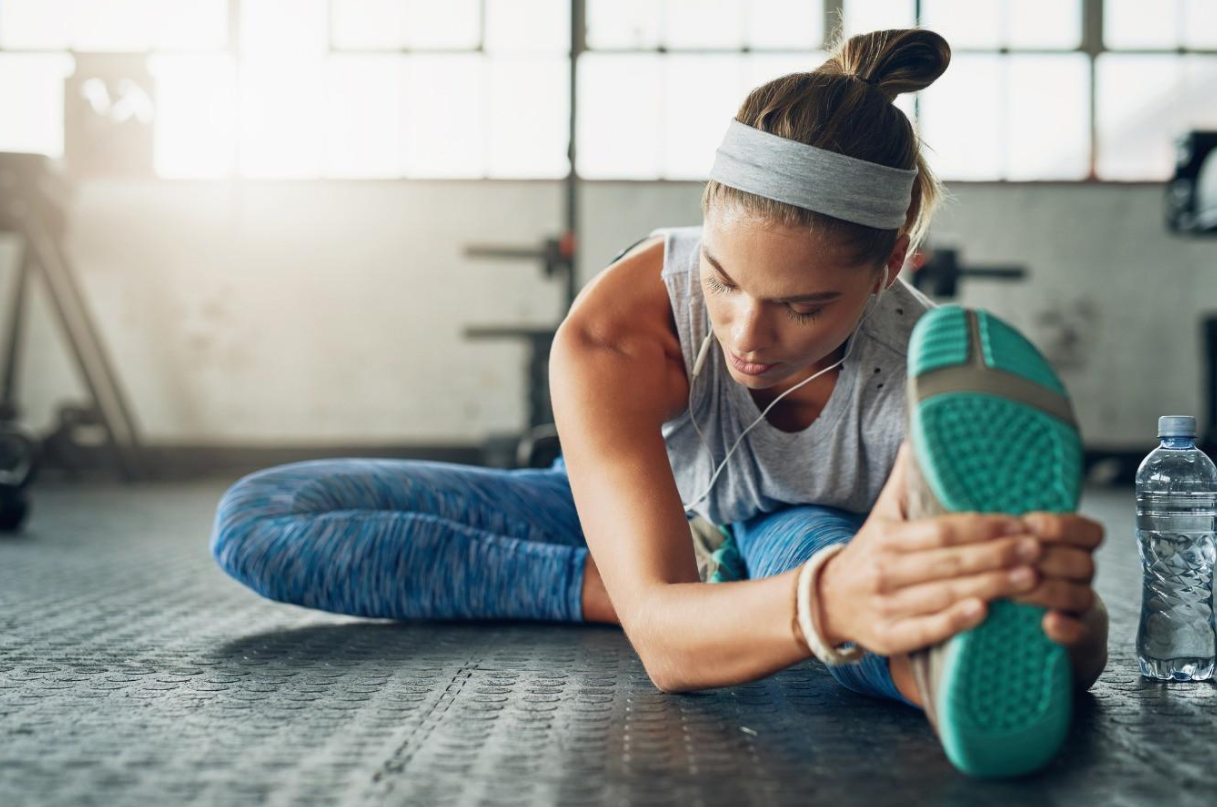
You also need enough mobility to access the positions required for your activities, enough coordination to control movement, and enough recovery to adapt to training.
If an exercise causes sharp pain, makes you feel unstable, or repeatedly aggravates a joint, don’t force your way through it. Reduce the challenge, adjust the movement, or choose an appropriate alternative.
People with significant pain, recent injuries, balance difficulties, or medical conditions affecting exercise tolerance may need individualized guidance before progressing.
Recovery matters, too. Harder training isn’t automatically better training. Your body needs time between challenging sessions, adequate nutrition, and sufficient sleep to adapt.
For practical guidance, explore Exercise Recovery Tips: 7 Proven Ways to Recover Faster.
The goal is to develop a body that can handle more—not to accumulate fatigue for its own sake.

How Do You Know Your Functional Strength Is Improving?
Progress doesn’t have to show up as a bigger number on a barbell or a change on the scale.
Pay attention to what becomes easier in your everyday life.
You might notice that carrying shopping bags requires less effort. You can climb stairs without feeling as challenged. Getting up from the floor feels smoother. You feel more confident stepping over obstacles or lifting objects with control.
These are useful signs of progress because they connect your training to the activities you actually care about.
You can also track objective measures, such as the weight you carry, the number of controlled repetitions you complete, or how consistently you perform an exercise with good technique.
Keep the conditions reasonably consistent when comparing results. Progress can be gradual, and a difficult day doesn’t erase improvements you’ve made.
Most importantly, judge your program by more than how tired it makes you feel. Ask whether you’re becoming stronger, moving with greater control, and building the physical capacity you want.

Here’s the Path: Use Functional Strength Training for Everyday Life
Start by identifying one everyday activity you want to handle more comfortably.
Maybe it’s carrying heavier bags. Maybe it’s climbing stairs, getting off the floor, working in the yard, or keeping up with your family.
Then ask yourself what physical abilities that activity requires.
Does it demand leg strength? Grip strength? Better control through your hips? More confidence balancing on one leg?
Choose one or two exercises that address those needs. Practice them consistently, start at an appropriate level, and progress as your ability improves.
You don’t have to overhaul your entire routine tomorrow. You need a starting point that makes sense, a clear reason for doing the work, and the willingness to keep building.
At Full Armor Fitness and Sports Performance, we bring personal training, performance, strength and conditioning, movement, recovery, breathwork, and nutrition together into one approach. The goal is to help you build physical capacity that supports the demands of your real life.
If you’re in Jacksonville Beach, Atlantic Beach, Neptune Beach, or Ponte Vedra, learn more about Full Armor personal training.
You can also start with our free guide, 5 Daily Practices to Regulate Your Nervous System, or explore the Full Armor 21 Day Method if you’re ready to go deeper.
You don’t train just to perform exercises. You train to expand what you’re capable of doing.
Build the strength. Practice the movements. Carry that progress into your everyday life.
That’s the path.

The Research Behind This Article
Functional strength training isn’t just a concept. Research has examined how resistance training and functional exercise affect physical performance, mobility, and the ability to carry out everyday activities. Here are the studies that support the principles discussed in this article.
Resistance Training Prescription for Muscle Function, Hypertrophy, and Physical Performance in Healthy Adults: An Overview of Reviews
Medicine & Science in Sports & Exercise (2026)
This overview of systematic reviews examines how resistance-training variables influence strength, physical performance, and other outcomes in healthy adults. It supports the article’s emphasis on progressive, appropriately prescribed resistance training to improve physical capacity.
https://pubmed.ncbi.nlm.nih.gov/41843416
Is functional training functional? A systematic review of its effects in community-dwelling older adults
European Review of Aging and Physical Activity (2024)
This systematic review examines functional training and its effects on everyday activities and physical function in older adults. It provides relevant evidence for discussing how exercise can help support independence and daily physical capability.
https://link.springer.com/article/10.1186/s11556-024-00366-3
Adult Activity: An Overview
Centers for Disease Control and Prevention
The CDC outlines physical activity recommendations for adults, including muscle-strengthening activities involving all major muscle groups at least two days per week. These recommendations provide a practical foundation for the training frequency discussed in this article.
https://www.cdc.gov/physical-activity-basics/guidelines/adults.html

Continue Your Journey
At Full Armor, we believe strength should serve more than your workout. It should help you move better, recover well, and meet the demands of everyday life with greater confidence. Our approach brings personal training, strength and conditioning, movement, recovery, breathwork, and nutrition together to help you build a stronger foundation for life. Explore these related articles to keep learning and put that knowledge into practice.
- Strength Training Schedule: How Often to Train
- Why Strength Training Improves More Than Just Muscle
- Exercise Recovery Tips: 7 Proven Ways to Recover Faster
- Agility Training: Unlock Powerful Speed and Adaptability
Start Here
Ready to build strength that carries over into everyday life?
Explore Full Armor Personal Training for individualized training designed around your goals, current abilities, and the life you want to live.
Download the free guide: 5 Daily Practices to Regulate Your Nervous System.
Go deeper with the Full Armor 21 Day Method.
No responses yet