
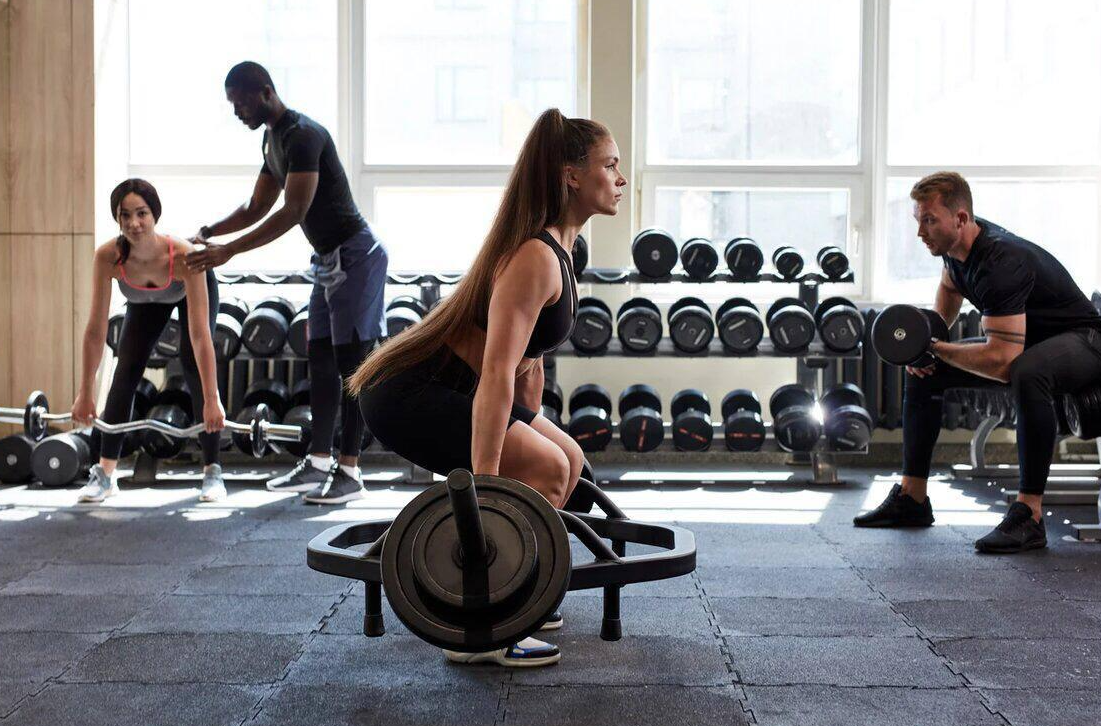
Personal training vs working out alone comes down to more than having someone beside you at the gym.
Additionally, it also depends on whether you understand what you’re training for.
Why you’re doing each exercise matters, and whether your approach will get you the results you want.
Have you ever wondered about personal training vs working out alone and what some people are training for?
I see it all the time.
However, wherever I train, personal training vs working out alone is more common than not.
Someone is doing a bodybuilding workout. Another person is copying exercises they saw online. Someone else is following a workout on their phone, moving from one exercise to the next because the app tells them to.
They’re showing up. They’re putting in effort. Some are working incredibly hard.
But here’s the question: Do they understand what they’re doing, why they’re doing it, and whether it’s going to get them the results they want?
That’s a different question from whether they’re exercising.
And this is where the difference between working out alone and working with a good personal trainer becomes clear.
When you work out on your own, you’re responsible for choosing your exercises, figuring out your technique, structuring your program, adjusting the workload, and deciding when it’s time to progress. You can absolutely learn to do those things yourself, but there’s a learning curve—and mistakes can cost you time, limit your progress, or leave you frustrated when the results don’t match the effort.
A knowledgeable personal trainer helps connect those pieces. They look at your goals, assess where you are now, teach you how to perform movements, and build a program around what you’re actually trying to accomplish. They can spot when something needs to change instead of simply handing you another workout to complete.
The goal isn’t to make you dependent on a trainer. It’s to help you train with understanding and purpose.
We have more access to workouts, exercise demonstrations, fitness influencers, training apps, smartwatches, and fitness information than ever before. You can pull up a workout in seconds. You can watch someone perform almost any exercise from multiple angles. You can track your steps, heart rate, sleep, and estimated calories burned.
All of that access can be useful.
But access to information isn’t the same as understanding how to apply it.
You can have a phone full of workouts and still have no idea how to structure a training program. You can sweat through an hour-long session and still be working against your actual goal. You can follow an exercise perfectly as demonstrated in a video and still be using the wrong exercise for what you’re trying to accomplish.
The problem isn’t that people are unwilling to work.
Sometimes, they’re working hard without a clear direction.
Let’s talk about why that happens, what different training goals actually require, and when working with a knowledgeable personal trainer can make a difference.
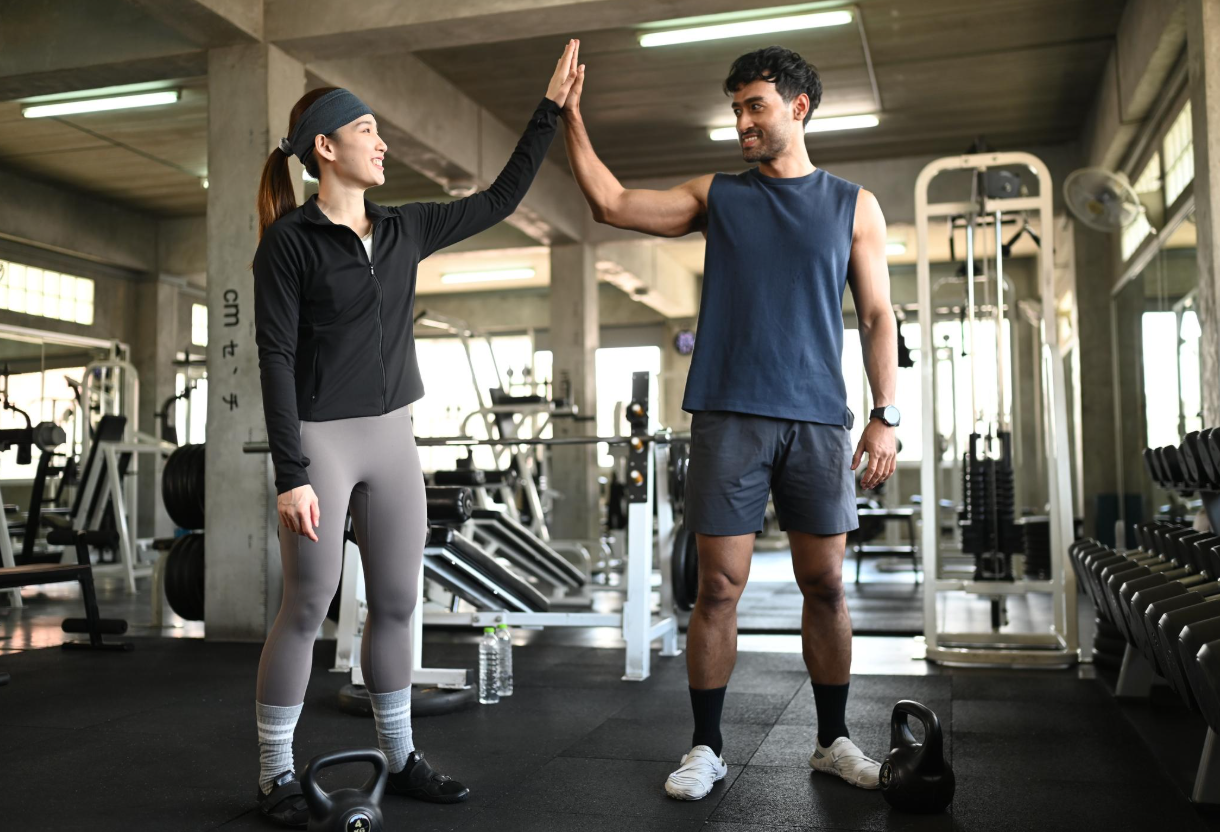
Personal Training vs. Working Out Alone: Exercise Isn’t the Same as Training
There’s nothing wrong with going to the gym, picking up some weights, and moving your body. If you’re getting started, building a habit of regular exercise is a meaningful step.
But there’s a difference between exercising and following a structured training program.
Exercise is the activity you’re doing. Training is the process of selecting, organizing, and progressing that activity toward a particular outcome.
Think about learning to play an instrument.
You could sit down every day and play whatever comes to mind. You might enjoy it. You might even improve over time.
But if your goal is to develop a particular skill, you’ll probably make better progress with deliberate practice, feedback, and a plan that addresses what you need to learn.
Training works in a similar way.
If your goal is to build muscle, your program needs to account for factors such as exercise selection, training volume, effort, progressive overload, and recovery.
If your goal is to improve cardiovascular fitness, you need an approach that develops that capacity.
If you want to get faster for your sport, simply lifting weights and getting tired isn’t necessarily going to make you faster. Your program needs to develop qualities that transfer to your sport.
And if you want to lose body fat and develop a more defined physique, you need to understand how resistance training, nutrition, daily activity, and energy balance work together.
These goals can overlap. Strength training can support fat loss. A bodybuilder can develop strength. An athlete can benefit from building muscle.
But the way you prioritize and organize your training matters.
The question isn’t just, “What exercise should I do today?” It’s, “What am I trying to develop, and how does today’s workout contribute to that?”
Without that connection, it’s easy to spend months working hard without knowing whether your approach is helping.
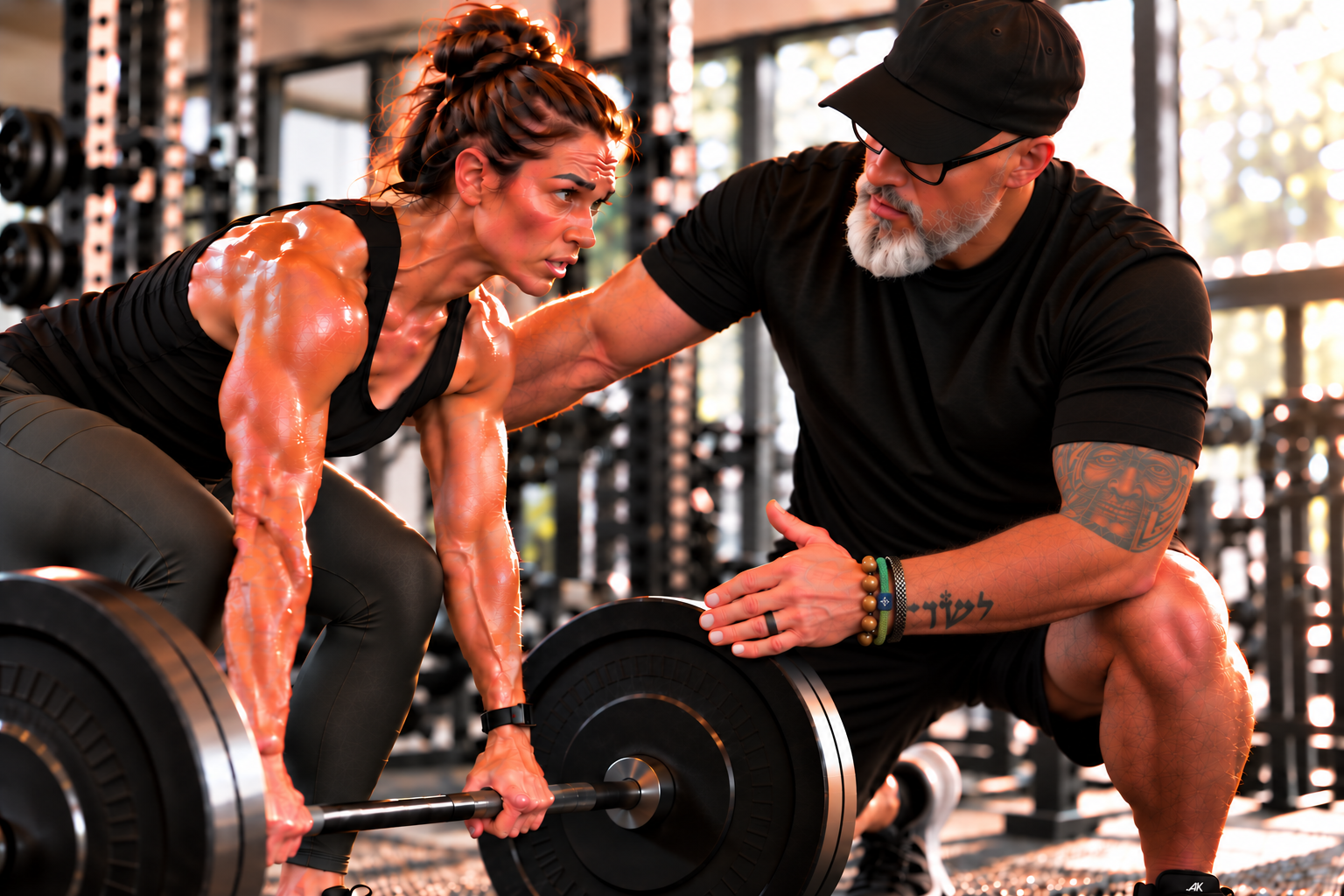
Personal Training vs. Working Out Alone: Why Copying Workouts at the Gym Can Backfire
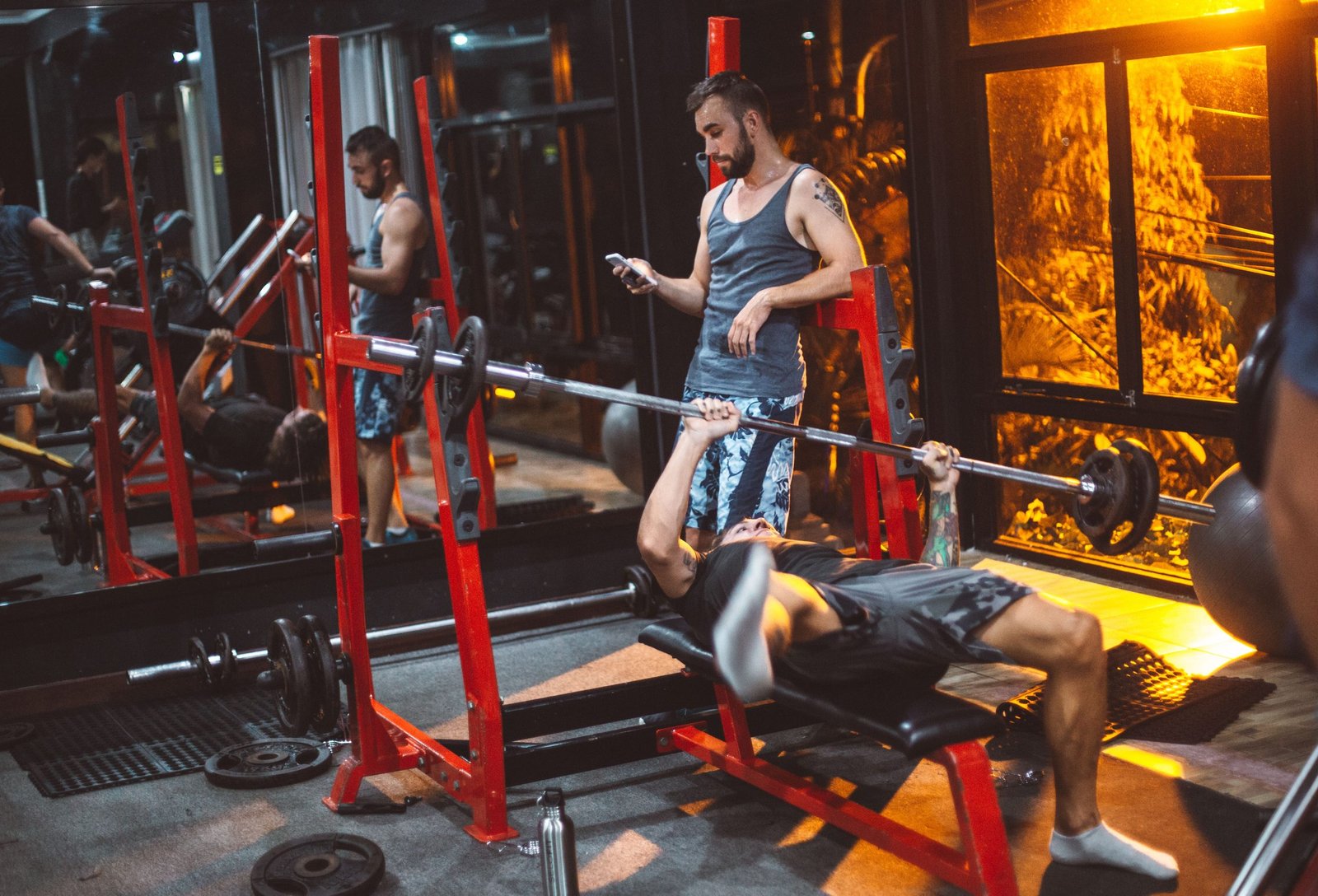
Walk into almost any gym and you’ll see people watching one another.
Someone notices another person doing a particular exercise. It looks challenging, so they try it. They see someone with an impressive physique performing a certain routine and assume that routine must be the reason for the results.
It’s understandable. We learn by watching other people.
But you rarely know the context behind what you’re seeing.
That person might have ten years of training experience. They might be preparing for a powerlifting competition. They might be following a bodybuilding program designed around a specific muscle group. They might be addressing a weakness or working on a movement that’s part of their sport.
You see the exercise. You don’t see the assessment, training history, program, recovery, nutrition, or progression behind it.
And you certainly don’t know whether that exercise is appropriate for your current abilities.
Even when two people have the same goal, they might need different approaches.
One person may need to build foundational strength and learn movement mechanics. Another may need more advanced programming to overcome a plateau. Someone returning after a long break may need a gradual progression that allows them to rebuild capacity.
Copying a workout skips the process of figuring out what you actually need.
This doesn’t mean you should never learn from other people or try a new exercise. It means you shouldn’t assume that an exercise is right for you simply because it works for someone else.
A good workout isn’t defined by how impressive it looks. It’s defined by how well it serves the person doing it.
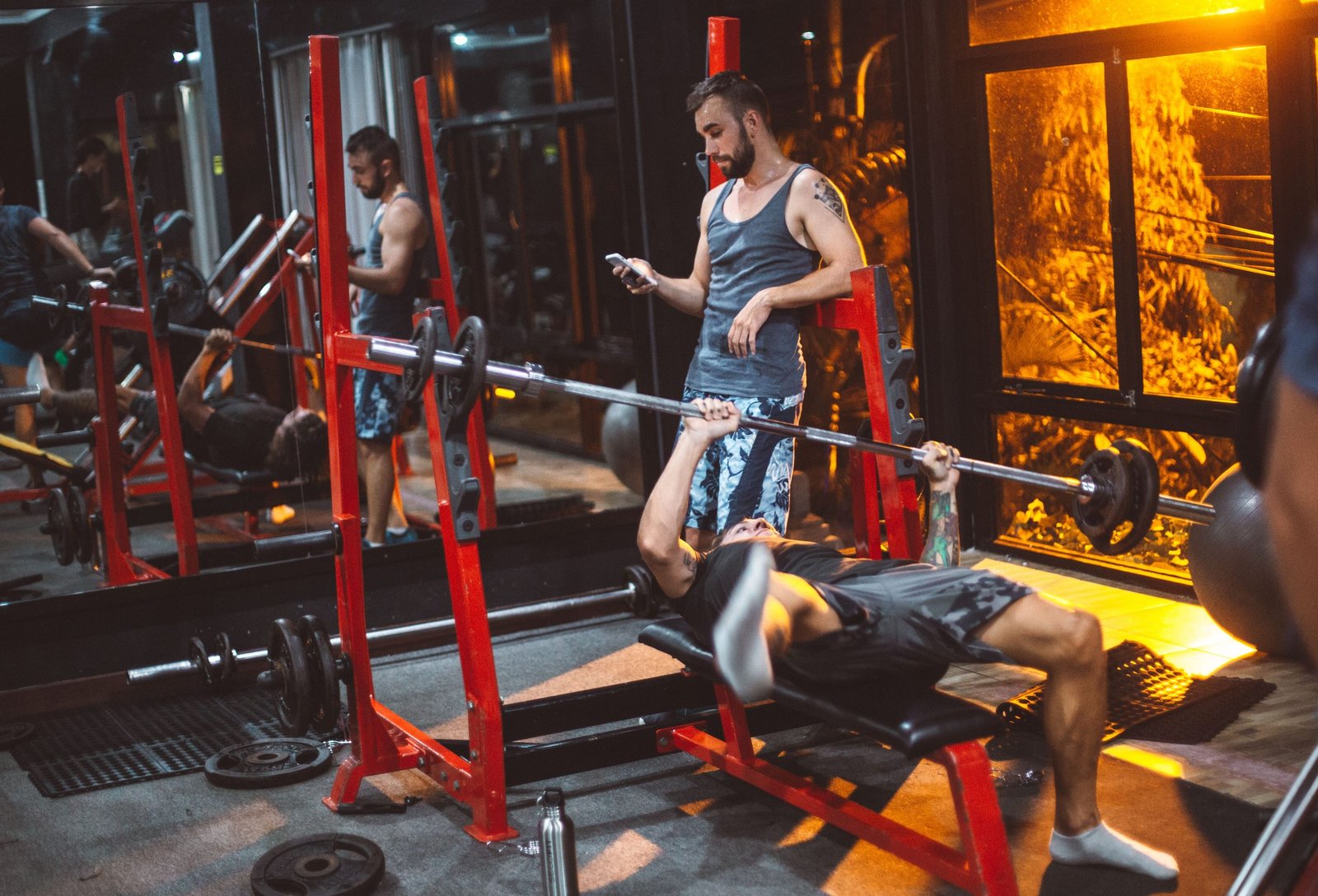
Personal Training vs. Fitness Apps: Helpful Tools, Not Personal Coaches
Fitness apps have made structured exercise more accessible. That’s a good thing.
Someone who doesn’t know where to begin can find a beginner program, follow a guided workout, set reminders, and track their progress. An app can help establish consistency and reduce the uncertainty of walking into a gym without a plan.
Wearables can also provide useful feedback about activity and training patterns.
But there’s an important distinction between giving someone instructions and helping them understand how to train.
An app can tell you to perform three sets of ten repetitions. That doesn’t necessarily tell you whether the exercise suits your goal, whether the load is appropriate, whether your technique is sound, or whether you should be doing more, less, or something different.
Some apps provide excellent programming and educational guidance. Others provide generic workouts or recommendations that may not account for an individual’s full circumstances.
The issue isn’t the technology itself. It’s assuming that a plan delivered through a screen is automatically individualized.
When Tracking Becomes the Goal
Consider someone who finishes a workout and immediately checks their watch to see how many calories they burned.
They see a number and decide whether the session was successful based on that number.
But what if their goal is to get stronger? What if they improved their technique, lifted a heavier load with good form, or completed the same workload with better control?
Those improvements may matter more than the estimated calories from that session.
Calorie estimates from wearables aren’t precise measurements. Research has found that the accuracy of energy-expenditure estimates varies substantially across devices and activities.
A smartwatch can be useful for tracking trends. It shouldn’t be treated as an exact accounting system for how much energy you used or how much food you should eat afterward.
The same principle applies to step counts, streaks, workout scores, and other metrics.
These numbers can support a plan, but they don’t replace the plan.
The Danger of Following Instructions Without Understanding Them
Imagine an app prescribes a high-intensity workout for five days a week.
You follow it because that’s what the program says. You’re sore, tired, and struggling to recover, but you assume you need to push through because consistency means completing every scheduled session.
A better approach would be to consider your training experience, current capacity, sleep, recovery, other physical demands, and the purpose of the program.
Sometimes the right decision is to push. Sometimes it’s to adjust the workload or recover.
A good coach helps you learn to recognize that difference.
An app can be part of the solution. It just shouldn’t become a substitute for judgment.
Personal Training vs. Working Out Alone: Different Goals Require Different Training Protocols
This is where a lot of confusion starts.
People use words like toning, building muscle, getting strong, getting fit, and improving performance as though they all mean the same thing.
They don’t.
There is overlap between these goals, but the training approach should reflect the outcome you’re pursuing.
1. Bodybuilding: Developing Muscle
Bodybuilding focuses on developing muscle size, symmetry, and definition.
Training commonly involves exercises selected to target particular muscles, sufficient training volume, challenging sets, progressive overload, and recovery that supports adaptation.
That doesn’t mean every bodybuilding program is the same. Exercise selection, frequency, volume, and intensity can vary depending on the individual and their experience.
But the underlying purpose is to develop the physique.
If you’re following a bodybuilding split because you saw someone online with an impressive physique, ask yourself whether you understand the program and whether it fits your needs.
Do you know which muscles you’re emphasizing? Are you progressing over time? Is your workload appropriate? Are you recovering between sessions?
And if your goal is to lose body fat, are you also addressing your nutrition and overall activity?
Those are separate but connected questions.
2. Fat Loss and Toning: Understanding What You Want to Change
Let’s talk about something I see at the gym: people performing bodybuilding workouts who wonder why they’re gaining muscle but aren’t losing the weight or getting the definition they expected.
First, building muscle is not a bad outcome. It’s often exactly what you want.
The confusion comes from treating muscle growth and fat loss as though they’re the same process.
They’re not.
Resistance training can help build muscle and preserve lean mass. Losing body fat generally requires a sustained energy deficit, with nutrition and daily activity playing important roles. The rate and amount of change depend on the individual and other factors.
When people talk about toning, they’re usually describing a combination of developing or maintaining muscle and reducing enough body fat for that muscle to be more visible.
You don’t necessarily need a completely different set of exercises to achieve a more defined physique. You need to understand how the pieces fit together.
Someone might lift weights consistently, progressively build muscle, and still not see much change in body fat because their overall energy balance hasn’t changed enough to produce that result.
That doesn’t mean the workout is useless. It means the workout is only one part of the picture.
If your goal is fat loss, a trainer can help you develop an appropriate resistance-training plan and align it with realistic activity and recovery goals. Nutrition may also need attention, and more complex dietary needs can warrant support from a qualified dietitian.
The important thing is to stop assuming that a harder workout automatically produces a leaner physique.
3. Powerlifting: Building Maximal Strength
Powerlifting focuses on improving performance in three specific lifts: the squat, bench press, and deadlift.
That goal calls for its own approach.
Technique matters because the athlete needs to perform the lifts consistently and meet the requirements of the sport. Programming must account for loading, volume, recovery, and the practice needed to improve those particular movements.
A powerlifting program might include accessory exercises to address weaknesses or support the main lifts, but those exercises serve the larger goal.
Simply copying a power-lifter’s workout doesn’t mean you’re training like a power-lifter in any meaningful sense.
You may be copying the movements without understanding the programming that makes them useful.
4. Sports Performance: Training for Transfer
Sports performance is another area where context matters enormously.
An athlete may need strength, speed, acceleration, power, agility, coordination, conditioning, or some combination of those qualities.
The balance depends on the sport, the athlete’s position, their current abilities, the competitive calendar, and their individual needs.
Getting tired is not the same thing as improving performance.
A demanding circuit can build conditioning, but that doesn’t automatically make it the best way to develop speed. Lifting heavier can improve strength, but it doesn’t automatically improve every aspect of athletic performance.
The training has to connect to the qualities you’re trying to develop.
This is why a sports performance program should start with the athlete and the demands of their sport, not a collection of exercises that look athletic on social media.
5. General Fitness and Everyday Strength
Not everyone wants to compete, build a bodybuilding physique, or lift maximal weights.
Some people want to feel better, improve their strength, move more comfortably, have more energy, or stay capable as they get older.
Those are legitimate goals, too.
A well-designed general fitness program might combine resistance training, cardiovascular activity, balance, mobility, and movement patterns relevant to daily life.
The appropriate balance depends on the person.
You don’t need an elaborate program to make progress. You do need an approach that fits your starting point, priorities, and ability to recover.
The common thread across all these goals is simple: the purpose of the training should determine the program—not the other way around.
Personal Training vs. Working Out Alone: Technique Is More Than Making an Exercise Look Right
Watching someone perform an exercise can help you understand the movement. But seeing a demonstration and knowing how to perform it appropriately for your own body are two different things.
Technique isn’t just about making a movement look good.
It involves understanding the movement, controlling the load, using an appropriate range of motion, and performing the exercise in a way that fits your ability and purpose.
There isn’t always one perfect technique that applies identically to every person. Body proportions, mobility, training history, the exercise variation, and the goal can influence how a movement should be performed.
But there are still important principles to learn.
Can you control the weight? Can you maintain the position and movement you intend to use? Is the load appropriate for your current ability? Are you using a range of motion that suits the exercise and your circumstances? Can you repeat the movement consistently?
And perhaps most importantly, do you understand what you’re trying to accomplish?
Someone can watch a video of a squat and copy the broad movement without understanding how to choose a suitable load, how to progress, or when a variation might be more appropriate.
The same goes for deadlifts, presses, lunges, rows, and countless other exercises.
The goal isn’t to make people afraid of lifting weights. Resistance training can be safe and beneficial when appropriately programmed and performed.
The goal is to help people develop the skills and understanding that make training more effective.
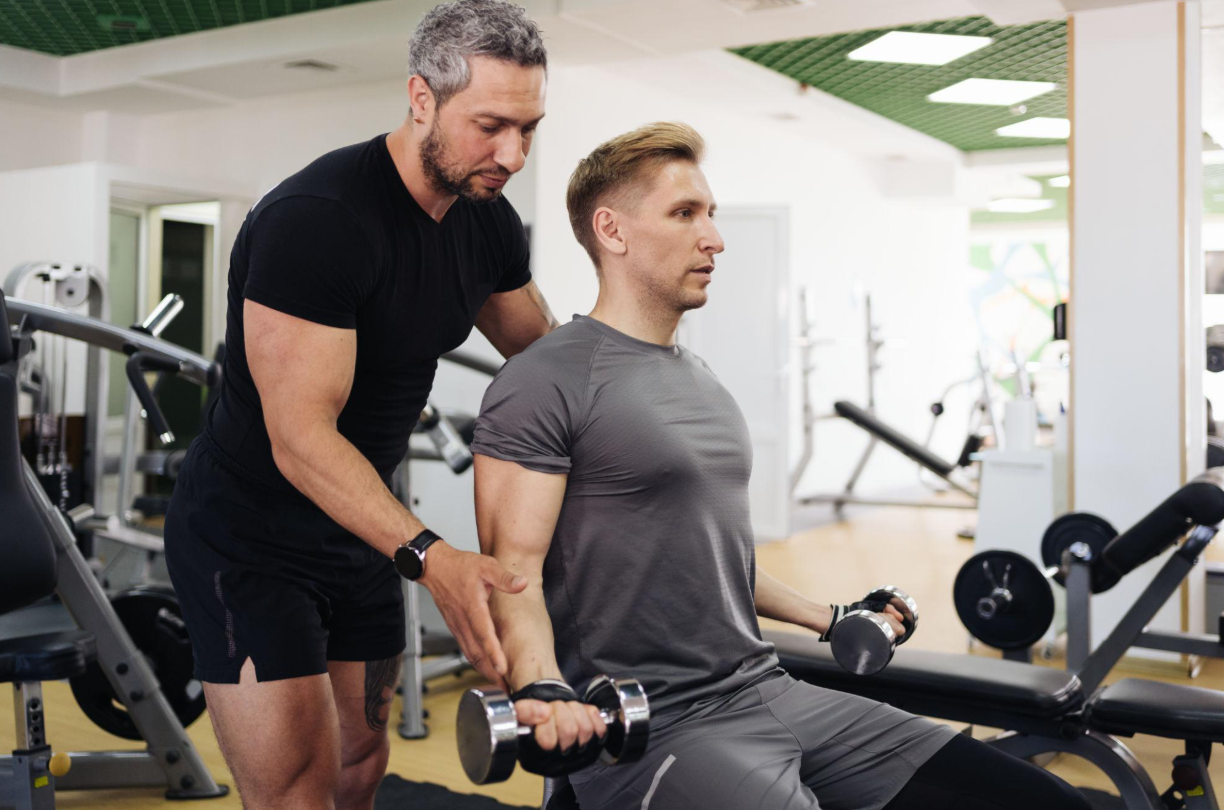
A qualified trainer can observe your movement, give feedback, help you choose appropriate variations, and adjust the exercise as you learn. That kind of feedback is difficult to get from a prerecorded video alone.
The Missing Piece: Programming and Progression in Personal Training vs. Working Out Alone
Let’s say you have a collection of exercises that you perform with good technique.
That’s a good starting point. But how do you organize those exercises into a program?
How often should you train each muscle group or physical quality? How many sets should you perform? How challenging should the work be? When should you increase the load? How do you balance training stress with recovery?
These are programming questions.
A structured program creates a relationship between what you’re doing today and what you’re trying to accomplish over time.
One of the central principles is progressive overload: gradually increasing the challenge placed on the body as your capacity improves. That progression might involve increasing resistance, repetitions, training volume, or another relevant demand.
But progression isn’t simply adding more weight every workout.
Sometimes you need to improve control, build consistency, increase work capacity, or maintain the same workload while making it feel more manageable. Sometimes you need to reduce the demand because your recovery isn’t keeping up.
A program should respond to the person doing it.
This is where copying random workouts can become frustrating. You might have plenty of exercises and plenty of effort, but no clear way to measure progress or decide what to change.
You may keep switching routines because something new looks more effective. You may add more exercises when progress slows, even though the issue is recovery or consistency. You may push every session to exhaustion because you assume that’s what makes a workout productive.
More isn’t always better. Harder isn’t always better.
The right amount of training is the amount that supports the desired adaptation and can be sustained and progressed appropriately.
Recovery Is Part of the Program, Too: Personal Training vs. Working Out Alone
There’s another misunderstanding worth addressing: the belief that every workout needs to leave you exhausted.
A challenging session can feel satisfying. Sweating, fatigue, and muscle soreness can make it seem as though you’ve accomplished something significant.
But none of those sensations, on their own, tell you whether the session was effective.
Adaptation takes place over time, as your body responds to training and recovers from it. Sleep, nutrition, stress, and the demands of everyday life all influence that process.
If you’re repeatedly training harder than you can recover from, your performance may stall, your motivation may decline, and your ability to maintain consistency may suffer.
This is where the nervous system belongs in the conversation—not as a magic explanation for every fitness problem, but as part of the broader picture of stress, fatigue, regulation, and recovery.
Your body is responding to more than the workout in front of you. Work demands, family responsibilities, sleep, emotional stress, and other physical activity all contribute to the load you’re carrying.
A program that ignores those factors may not be a good fit, even if the exercises themselves are well chosen.
Sometimes the best next step is to progress. Sometimes it’s to modify the session, improve sleep, or give yourself more recovery.
Learning to make those decisions is part of becoming a more capable trainee.
And a good trainer should help you understand the reasoning behind those adjustments, rather than simply telling you to push through everything.
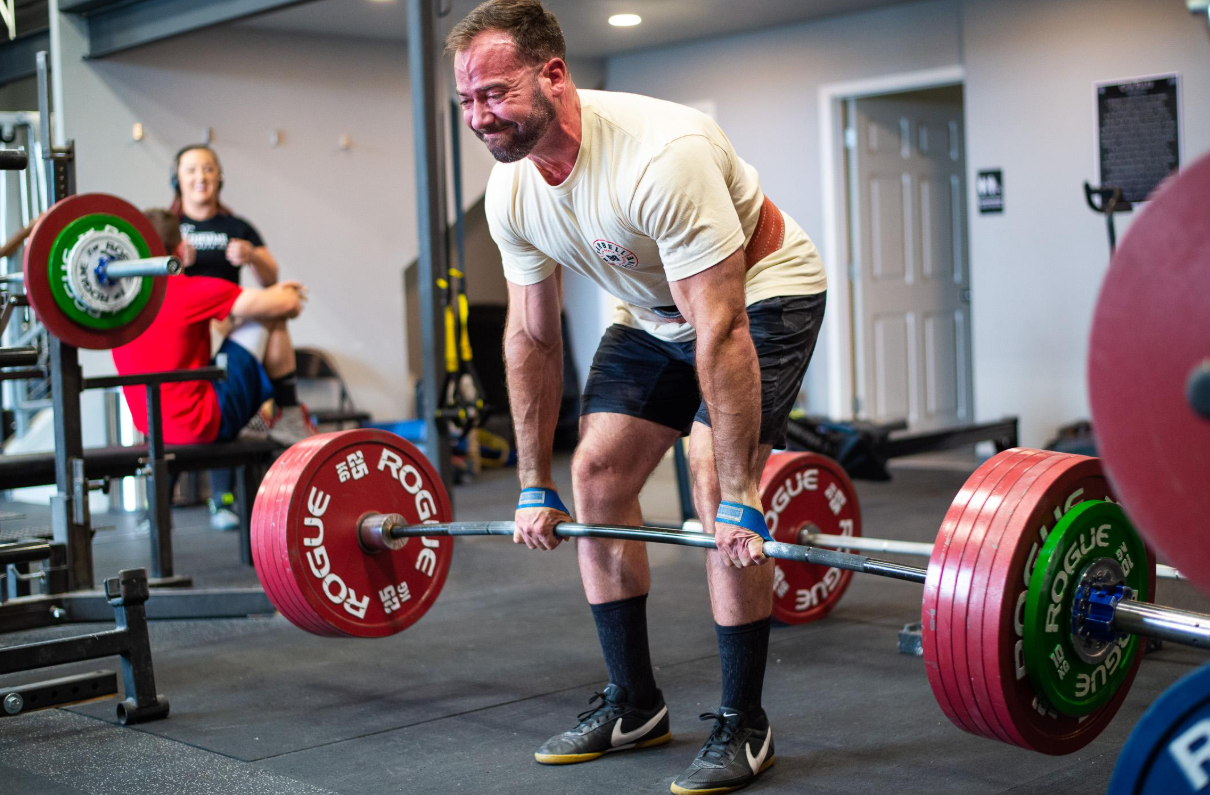
Personal Training vs. Working Out Alone: Can You Get Good Results Working Out on Your Own?
Absolutely.
This isn’t about convincing everyone that they need a personal trainer forever.
People can learn how to train independently. They can develop good technique, understand programming, track meaningful progress, and build a routine that works for them.
In fact, developing that independence is a worthwhile goal.
Working out on your own can be a great fit when you have a clear objective, understand the principles behind your program, know how to perform your exercises appropriately, and can recognize when something needs to change.
You might use an app to organize your workouts, a smartwatch to monitor activity, or educational videos to learn a new movement. Those resources can support your training.
But there’s a difference between having access to resources and knowing how to use them.
If you’re unsure whether your program matches your goal, keep changing routines without understanding why, or can’t tell whether you’re making meaningful progress, some guidance may help.
The same applies if you have a history of inconsistent training, feel intimidated by the gym, or aren’t confident about exercise technique.
You don’t have to wait until something goes wrong to ask for help.
Sometimes a few sessions with a knowledgeable trainer can clarify your approach, identify areas to work on, and help you build a plan you can eventually follow on your own.
The point isn’t dependence.
It’s developing competence.
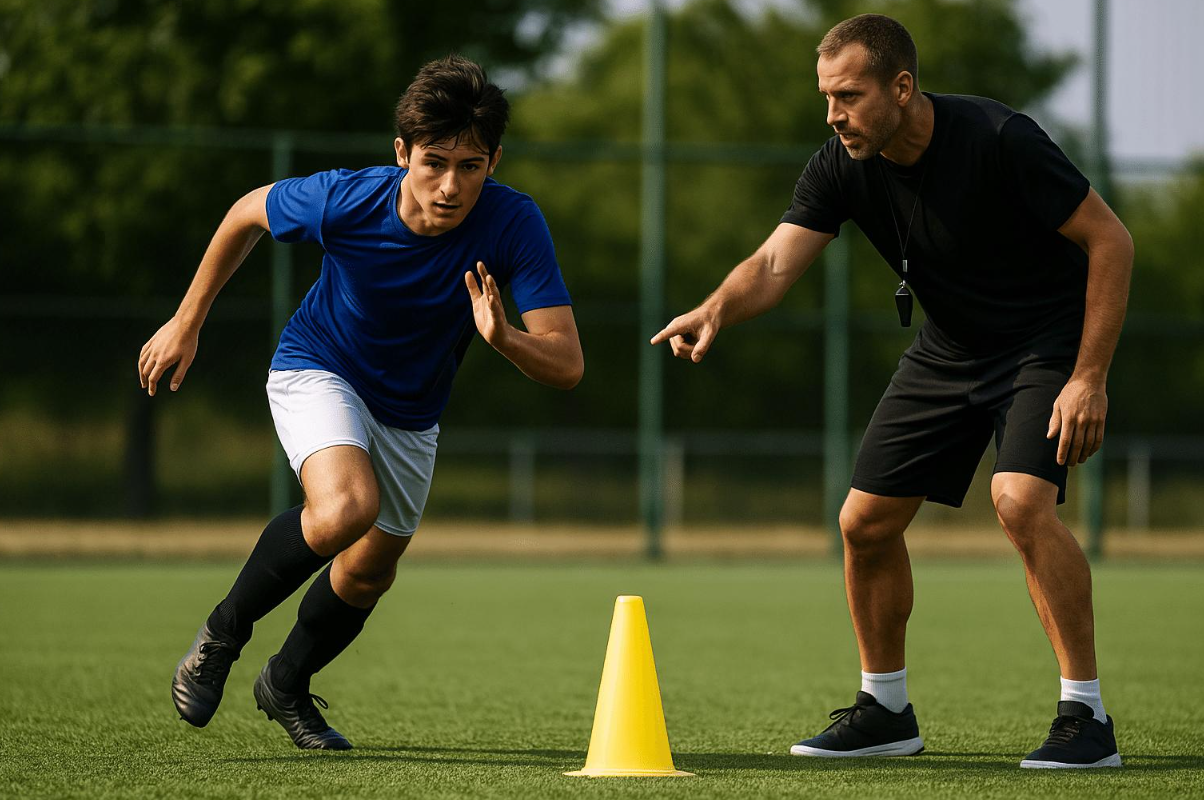
What a Good Personal Trainer Actually Brings to the Table
A good trainer does more than count repetitions or hand you a list of exercises.
They help connect your goal to a process you can follow.
That starts with understanding you: your training experience, your goals, your current abilities, your schedule, and any relevant limitations or concerns.
From there, a trainer can help you select appropriate exercises, learn technique, organize your training, and establish a way to evaluate progress.
They should be able to explain why you’re doing something—not just tell you what to do.
If your goal is fat loss, they should understand how resistance training fits into the bigger picture rather than promising that a particular workout will burn away fat.
If you’re training for sports performance, they should understand that the program needs to develop qualities relevant to your sport.
If you want to build muscle, they should understand how to organize training around that goal and how to adjust the program as you progress.
And if you’re struggling to recover, a good trainer should be willing to reassess the workload rather than automatically prescribing more intensity.
Individualized coaching also means recognizing when something falls outside a trainer’s scope of practice and referring you to an appropriate healthcare or nutrition professional when needed.
Most importantly, a trainer should help you understand your own training better over time.
You should become more confident in the gym, more knowledgeable about your body, and better able to recognize what supports your progress.
That’s the difference between simply being given a workout and being coached.
If you’re looking for individualized guidance, learn more about Full Armor Personal Training, serving the Jacksonville Beaches area through mobile personal training.

Here’s the Path: Stop Guessing and Start Training With Purpose
Here’s the path.
Before you choose your next workout, take a moment to answer three questions.
First: What am I actually trying to accomplish?
Be specific. Are you trying to build muscle, lose body fat, improve strength, develop athletic performance, or feel more capable in everyday life?
Your goals may overlap, but identify your main priority.
Second: Why am I doing these particular exercises?
Can you explain how your workout supports your goal? Do you understand the purpose of your sets, repetitions, rest periods, and progression? Or are you simply following someone else’s routine because it looks effective?
You don’t need to know everything before you begin. You do need to be willing to learn.
Third: How will I know whether this is working?
Choose measures that actually relate to your goal.
That might mean improvements in strength, better movement control, increased work capacity, changes in body measurements, improved sport performance, or greater ease with everyday activities.
Don’t rely on soreness, exhaustion, or a calorie-burn number alone to tell you whether you’re making progress.
Then give your approach enough consistency to evaluate it, while adjusting when your circumstances or results call for a change.
Use apps as tools. Learn from other people. Ask questions. Get feedback when you need it.
And if you don’t know how to connect your goal to an effective training plan, consider working with someone who does.
You don’t have to make fitness more complicated than it needs to be. You just need to understand what you’re doing and why.
Because the goal isn’t to collect workouts, chase numbers, or prove how hard you can push yourself every time you walk into a gym.
The goal is to build the capacity you came there to develop.
Don’t just work hard. Train with purpose.
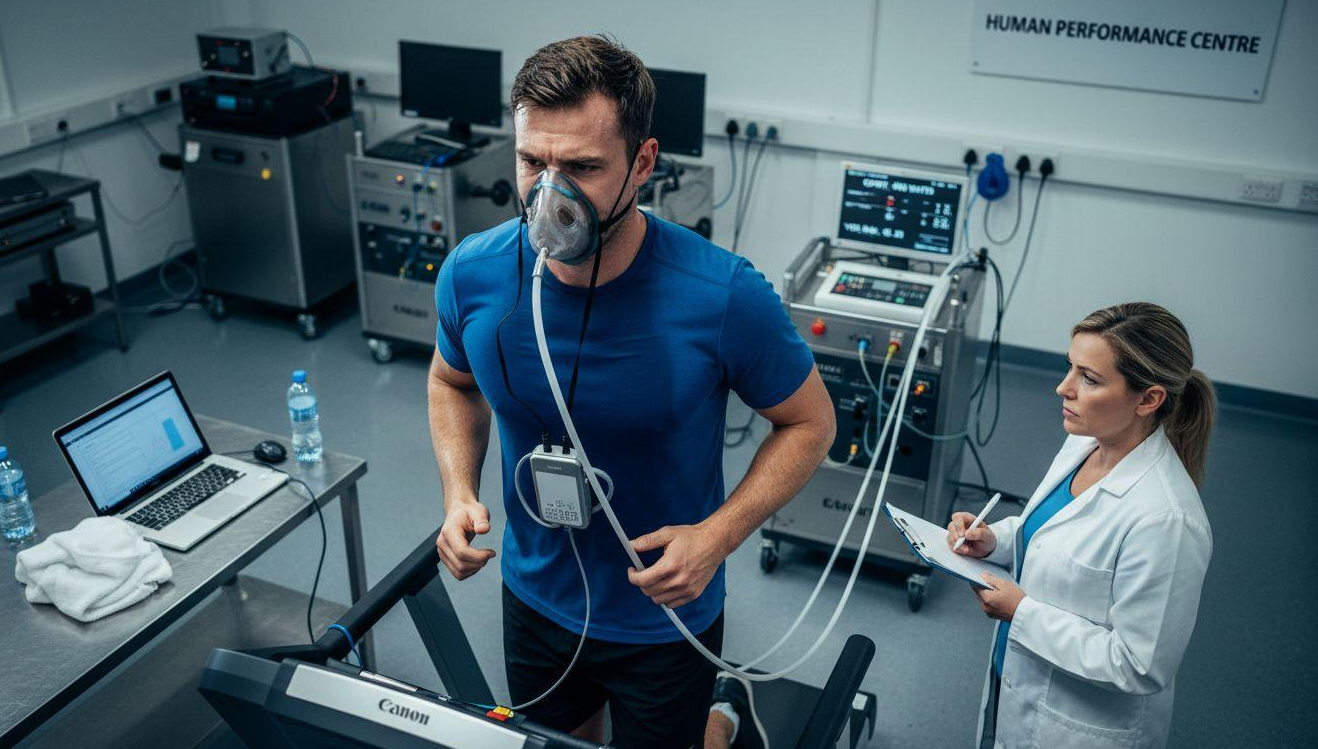
The Research Behind This Article
1. American College of Sports Medicine (ACSM) — Fitness Trends
ACSM’s annual fitness trends research examines the growing role of wearable technology, mobile exercise apps, and evidence-based exercise programming.
2. Wearable Activity Monitors and Calorie Estimates
Research published in the British Journal of Sports Medicine found that the accuracy of energy-expenditure estimates varies across devices and activities. This supports treating wearable calorie numbers as estimates rather than exact measurements.
3. American College of Sports Medicine — Exercise Programming Resources
ACSM provides evidence-based information on physical activity, resistance training, exercise prescription, and fitness assessment.
These sources provide context for the article’s discussion of digital fitness tools and tracking. The broader recommendations about matching training to individual goals reflect established exercise-programming principles. No single app, workout, or training method guarantees a particular outcome.
Continue Your Journey
Understanding how to train effectively is one part of building a stronger foundation. These articles explore strength, programming, recovery, and the role your nervous system plays in how you move and perform.
Strength Training and the Nervous System: The Missing Link to Better Performance
Discover how strength training challenges the nervous system and how physical adaptation, recovery, and resilience work together.
Strength Training Schedule: How Often to Train
Learn why training frequency should reflect your goals, current ability, and capacity to recover—not simply how often you can get to the gym.
7 Proven Exercise Recovery Tips to Help You Recover Faster
Explore practical ways to support recovery and make your training more sustainable.
Overtraining: Essential Warning Signs You’re Pushing Too Hard
Learn to recognize when increasing the workload may not be the answer and why recovery is part of effective training.
At Full Armor, strength and conditioning, movement, recovery, breathwork, and nutrition are connected through a broader understanding of the nervous system and how we live each day.
Start Here
You don’t need another complicated plan or a hundred new exercises. Start by building a better understanding of what your body needs and the daily practices that help you move forward.
Free Guide: 5 Daily Practices to Regulate Your Nervous System
Learn five practical daily practices to support greater awareness and regulation.
If You Want to Go Deeper
The Full Armor 21 Day Method offers a structured way to begin putting these principles into practice and build a more intentional daily foundation.
No responses yet