

Most people don’t wake up one morning and suddenly realize their nervous system is overwhelmed.
It usually happens much more quietly.
Life gets busy. Stress begins to pile up. Sleep becomes a little less restful. You feel a little more irritable, a little less patient, and a little more exhausted than you used to.
At first, it doesn’t seem like a big deal.
You tell yourself you’re just having a stressful week.
Then a stressful week becomes a stressful month.
Eventually, you stop noticing how different you feel because your new normal has slowly become your normal.
There’s a point where things don’t feel “off” enough to call it a crisis, but they don’t feel like you anymore, either.
You’re tired, yet your mind won’t slow down.
You finally have a chance to relax, but your body still feels tense.
Small frustrations trigger bigger reactions than they used to.
You find yourself snapping at people you care about or feeling emotionally drained by situations that never used to bother you.
Maybe your sleep isn’t as restorative.
Maybe you wake up already feeling behind.
Maybe you’ve noticed it’s harder to focus, harder to recover after a workout, or harder to simply enjoy the present moment.
Many people assume these are just signs of getting older or having a busy life.
Sometimes they are.
However, they can also be signs that your nervous system has been carrying more than it was designed to carry for too long.
That doesn’t mean something is wrong with you.
It means your body has been trying to protect you.
Your nervous system is constantly scanning your environment, asking one simple question:
“Am I safe?”
When the answer repeatedly feels uncertain—whether because of chronic stress, poor sleep, emotional strain, constant pressure, or never allowing yourself to truly recover—your body adapts.
It becomes more alert.
More reactive.
More guarded.
That response can be incredibly helpful during a real emergency.
The problem is when your body never receives the signal that the emergency has passed.
This is where Full Armor begins from a different perspective.
Instead of asking, “What’s wrong with you?”
We ask, “What has your nervous system been experiencing?”
Because understanding that question is often the first step toward understanding yourself again.
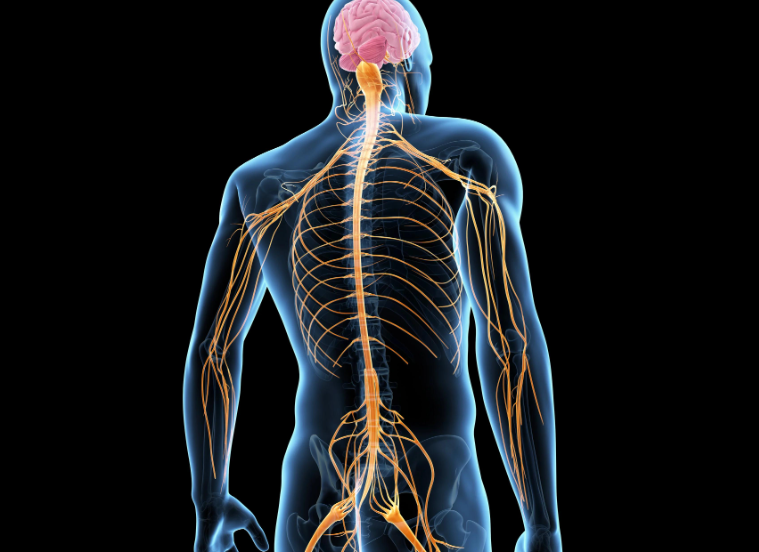
The problem isn’t always your mind — it’s your nervous system
Most people try to think their way out of how they feel.
They tell themselves to calm down.
They try to stay positive.
They push through it.
But the issue is deeper than thoughts.
Your nervous system is what decides how safe or unsafe everything feels in your body. When it’s balanced, you can handle pressure without falling apart. When it’s overloaded, everything starts to feel louder than it really is.
That’s why even simple things can feel overwhelming.
Not because you’re weak.
But because your system is carrying more than it can process.
And when that happens, your body starts showing signs — even if you ignore them.
1. You feel tired, but you can’t slow down
This is one of the first signs.
You feel drained, but rest doesn’t fully reset you.
Even when you sit down, your mind keeps running. You might scroll, think, plan, worry, or jump from one thing to the next without meaning to.
So even “rest” doesn’t feel like rest.
That’s usually a sign your nervous system is still in a state of activation. It hasn’t shifted into recovery mode yet.
And over time, that becomes your normal.
2. Small problems feel bigger than they should
Things that normally wouldn’t bother you suddenly hit harder.
A small comment sticks with you.
A minor mistake feels heavier than it should.
A simple delay or interruption throws your whole mood off.
This isn’t just emotional sensitivity.
It’s your stress response staying switched on.
When your nervous system is overloaded, it starts reacting to everything like it matters more than it actually does. It’s not filtering anymore — it’s reacting.
3. You can’t fully relax anymore
Even when nothing is wrong, you still don’t feel fully at ease.
You might sit on the couch, but something inside still feels “on.”
You might go to bed, but your body doesn’t fully let go.
You might take time off, but it doesn’t feel like recovery.
This is one of the clearest signs of nervous system dysregulation.
Because relaxation isn’t just about what you do — it’s about what your system allows.
And when it’s stuck in protection mode, it doesn’t fully let go, even when life is quiet.
4. Your focus and motivation feel different
You may notice you can’t lock in the way you used to.
Either you feel scattered and jumpy…
or you feel flat and unmotivated.
Some days you push through. Other days, even simple tasks feel heavy.
This isn’t laziness.
It’s your system trying to manage too much input for too long.
When the nervous system is overloaded, focus becomes unstable. It either speeds up too much or slows down completely. Neither state feels like control.
5. You feel disconnected from yourself
This one is harder to explain, but easier to feel.
You might look at your life and think, “This is me… but it doesn’t feel like me.”
Things that used to matter don’t hit the same.
Your emotions feel muted or distant.
Or you feel like you’re watching your life instead of living it.
This often shows up when the nervous system has been under stress for too long without recovery.
It’s not that you disappeared.
It’s that your system has been protecting you by numbing certain signals so you can keep going.
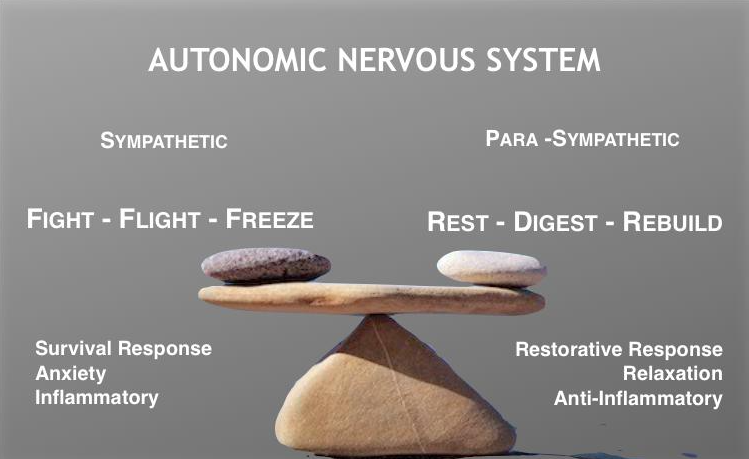
What’s Actually Happening Underneath All of This
When your nervous system is overloaded, it doesn’t simply shut off, It adapts.
Your nervous system is designed to protect you. It is constantly taking in information from your environment, your thoughts, your emotions, and your physical state to determine how it should respond.
When stress becomes frequent or constant, your body begins adjusting to that environment.
Instead of spending most of your time in a state of rest, recovery, and connection, your system may begin spending more time in a state of protection.
This is often referred to as being stuck in a stress response.
It can look like:
- Feeling more sensitive to everyday stress
- Having a shorter emotional fuse
- Struggling to fully relax, even when nothing is wrong
- Taking longer to recover from workouts, busy days, or emotional challenges
- Experiencing inconsistent energy and focus
- Carrying a constant feeling of pressure that is difficult to explain
The important thing to understand is that your body is not doing this because it is failing.
It is doing what it was designed to do.
Your nervous system learned from the signals it was repeatedly receiving.
If your body experiences constant pressure, lack of recovery, emotional stress, or ongoing demands, it begins preparing for those conditions.
The challenge is that this protective state can become your new baseline.
And that’s where many people get stuck.
They don’t realize they have adapted to operating at a higher level of stress.
They simply assume:
“This is just how I am now.”
“I’m getting older.”
“I’m just a stressed person.”
“I’m always going to feel tired.”
But often, these are not personality traits.
They are signals.
Your nervous system may be asking for something different.
More recovery.
More regulation.
More moments where your body receives the message that it is safe to slow down.
Because the goal is not to eliminate stress from your life.
Stress is part of being human.
The goal is to build a nervous system that can experience stress, respond appropriately, and return to a state of balance afterward.

What to do when your nervous system is overloaded
You don’t regulate an overloaded nervous system by simply trying harder.
You don’t fix it by forcing more discipline, ignoring how you feel, or convincing yourself to “just think positive.”
Those approaches often miss the deeper issue.
When your nervous system has been carrying stress for too long, the first step is not adding more pressure.
It’s creating the conditions where your body begins to recognize safety again.
Your nervous system learns through repetition.
Just like it adapts to constant stress, it can also adapt to consistent signals of calm, recovery, and balance.
That doesn’t require a complicated routine.
It starts with small, intentional practices repeated consistently.
Slow your inputs down.
Give your brain moments where nothing is demanding your attention.
Step away from constant notifications, endless scrolling, and the pressure to always be productive.
Create small pockets throughout your day where your body has permission to settle.
Take a walk without your phone.
Sit quietly for a few minutes.
Practice slower breathing.
Spend time outside.
Allow yourself moments where you are not consuming information, solving problems, or preparing for the next thing.
These moments may seem simple, but they send an important message to your nervous system:
“I am safe enough to slow down.”
And perhaps one of the biggest shifts is learning to stop treating recovery like something you earn after everything is finished.
Because if your system is overloaded, “everything being done” may never arrive.
There will always be another task.
Another responsibility.
Another demand competing for your attention.
Recovery cannot be something you squeeze in only when life becomes easy.
Recovery has to become part of how you live.
When you begin creating space for rest, regulation, and restoration, you are not becoming less productive.
You are building the foundation that allows you to show up with more clarity, energy, and resilience.
A different way to look at it
Your nervous system isn’t broken.
That may be one of the most important things to understand.
Many people spend years believing something is wrong with them because they feel anxious, exhausted, disconnected, overwhelmed, or unlike themselves.
They assume they have lost their discipline.
They assume they are becoming weaker.
They assume this is simply who they are now.
But often, what they are experiencing is not a broken system.
It is an adapted system.
Your nervous system has been paying attention to your environment, your experiences, your habits, and the demands placed on you.
It has been learning.
If your life has required constant urgency, constant problem-solving, constant pressure, or constant productivity, your body may have adapted by staying more alert and prepared.
That adaptation may have helped you get through difficult seasons.
It may have helped you keep going when things were challenging.
It may have helped you show up when you didn’t feel like you had much left to give.
But adaptation is not the same thing as balance.
Something can help you survive a season without being the thing that helps you thrive in the next one.
The same patterns that protected you during a stressful chapter may eventually leave you feeling exhausted, disconnected, and stuck if they continue long after the danger has passed.
This is why the goal is not to fight your nervous system.
The goal is to understand it.
To create new experiences.
To build new patterns.
To teach your body that calm, rest, and recovery are safe places to return to.
This process does not happen overnight.
It happens through small, consistent choices repeated in real life.
A slower breath.
A moment of stillness.
A walk outside.
A healthier response to stress.
A decision to recover instead of constantly push.
Your nervous system learned the patterns that brought you here.
And with patience, awareness, and consistency, it can learn new ones that help you move forward.
Here’s The Path
The path forward is not about becoming a different person.
It is about reconnecting with the person you already are.
Your nervous system has spent years learning how to respond to the world around you. It learned how to protect you, help you adapt, and keep you moving through difficult seasons.
Now, the opportunity is to teach it something new.
Not through force.
Not through pressure.
Through consistency.
The same way your nervous system adapted to stress, it can begin adapting to safety, recovery, and balance.
This happens through the small choices you make every day:
Taking time to slow down.
Moving your body with intention.
Creating moments of quiet.
Breathing before reacting.
Recovering without guilt.
Choosing habits that support the person you are becoming.
The goal is not to eliminate every stressful moment from life.
Stress will always be part of being human.
The goal is to build a system that can experience stress without becoming trapped by it.
A regulated nervous system does not mean a life without challenges.
It means you have the ability to meet those challenges and return to a place of balance.
That is the path.
Not perfection.
Not overnight transformation.
Just small, intentional steps that help your body remember what calm feels like again.
Because when your nervous system feels safe, you create more space to think clearly, move confidently, connect deeply, and live the life you were created for.
Start Rebuilding Your System
Download the Free Nervous System Reset Guide and learn how recovery, stress, and training all connect.
👉 https://fullarmorhq.com/free-guide/
If you are ready to go deeper and create a stronger foundation from the inside out:
Explore the Full Armor 21 Day Method:
https://fullarmorhq.com/fullarmormethod/
No responses yet