

There’s a point in training where pushing harder stops being the answer.
You can usually feel it before you can explain it. It’s called Overtraining!
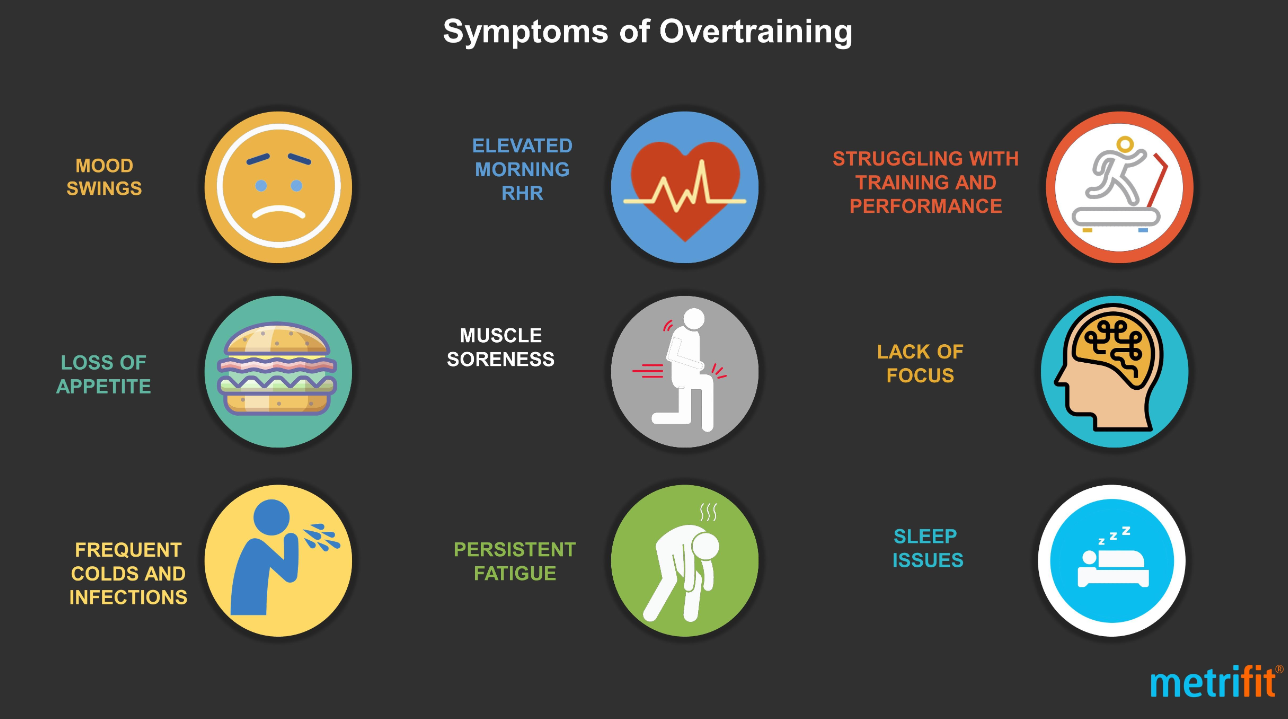
The workout that normally feels manageable suddenly feels heavy, a sign of overtraining. Your legs don’t seem to have the same pop. However, your heart rate feels different.
You’re sore longer than usual. Sleep isn’t quite right. You keep telling yourself to push through because that’s what disciplined people do.
So you train harder.
And somehow, you get worse.
That’s one of the frustrating things about overtraining. The instinct when performance starts slipping is often to add more work. But training only creates the stimulus for adaptation. Your body still needs enough recovery to actually respond to it.
The science makes an important distinction here, guiding coaches and athletes to interpret short dips accurately within training cycles. A temporary performance dip can be part of productive training and may improve after recovery, a pattern many athletes encounter.
However, when training load and recovery remain chronically mismatched, the athlete moves toward nonfunctional overreaching and risk of longer setbacks. In more severe cases, this imbalance can lead to overtraining syndrome, presenting persistent fatigue, poor performance, and extended recovery timelines.
The question isn’t whether hard training is good.
It is.
The question is whether your body has enough capacity to absorb the training you’re giving it.
What Is Overtraining?
The word overtraining gets thrown around pretty casually.
You have a hard week.
You’re tired.
You take a day off.
Someone says, “You’re overtrained.”
That’s probably not what is happening.
True overtraining syndrome is a much more serious and complex condition than simply being tired after a difficult workout. The European College of Sport Science and American College of Sports Medicine describe a continuum that includes functional overreaching, nonfunctional overreaching, and overtraining syndrome.
Functional overreaching can actually be part of a well-designed training program. You temporarily increase training stress, performance may dip, and after sufficient recovery you come back better.
That’s adaptation.
The problem begins when the body doesn’t get the opportunity—or doesn’t have the resources—to complete that process.
Then you can start seeing a persistent decline rather than temporary fatigue.
And this distinction matters because calling every bad week “overtraining” can make the word meaningless.
At the same time, dismissing every warning sign as “just part of training” can be just as problematic.
Your body is giving you information.
You have to learn how to read it.
Overtraining Begins With a Recovery Problem
Here’s the simplest way I think about it:
Training is a demand.
Recovery is your ability to meet that demand.
You can increase the demand.
You can increase the recovery.
But if you continually increase the demand while recovery stays the same—or gets worse—the gap eventually catches up with you.
And recovery isn’t just lying on the couch.
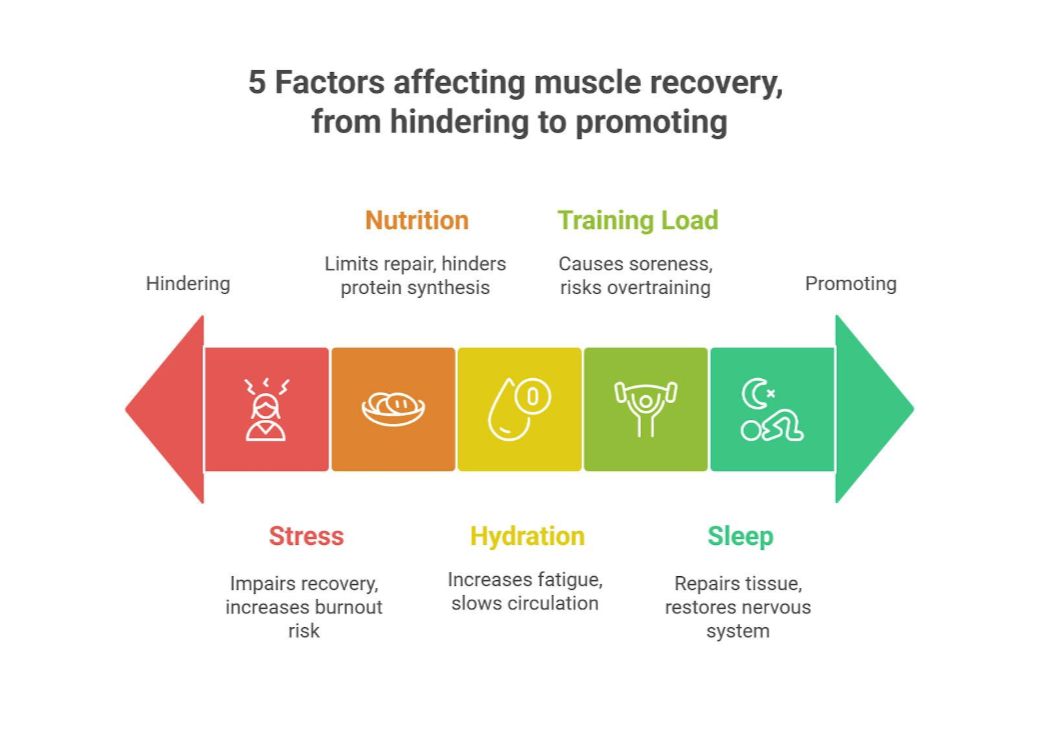
It’s sleep.
It’s nutrition.
It’s hydration.
It’s rest between hard sessions.
It’s managing total training volume.
It’s varying intensity.
It’s managing the other stress in your life.
It’s giving your body enough time to repair the tissues you’ve stressed.
A consensus statement on recovery and performance describes the balance between training and recovery as essential to sustained performance and notes that training load, competition load, and other life demands all contribute to the total stress an athlete has to manage.
That last part is easy to overlook.
Your body doesn’t have a separate bucket for gym stress.
Work stress goes into the same system.
Poor sleep goes into the same system.
Financial pressure goes into the same system.
Relationship problems go into the same system.
Hard training goes into the same system.
Your nervous system doesn’t care that you categorized one stress as “good” and another as “bad.”
It has to respond to all of it.
Overtraining and the Nervous System
This is where the conversation becomes bigger than muscles.
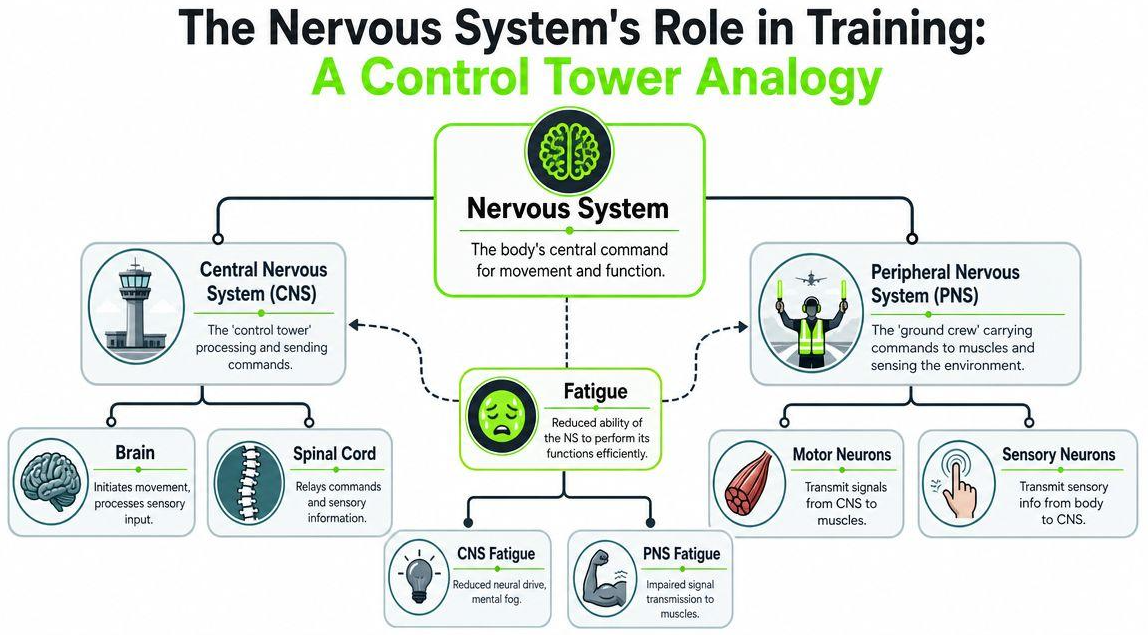
Every workout requires your nervous system to coordinate movement, produce force, regulate breathing, maintain attention, and respond to increasing fatigue.
That’s a good thing.
You’re giving the system a challenge.
But the nervous system also needs periods of lower demand.
Think about it like this.
You don’t build resilience by keeping yourself under maximum pressure all day.
You build resilience by experiencing challenge, responding to it, and then returning toward a state where adaptation can occur.
That’s the rhythm.
Challenge → recover → adapt.
Then you challenge again.
This is one reason Full Armor keeps coming back to the nervous system. Your body doesn’t exist separately from it. The way you move, breathe, recover, sleep, eat, and respond to stress all influence the environment in which training adaptation takes place.
And when the total load becomes too high, your performance can become one of the first places you notice it.
Signs Your Body May Need More Recovery
There isn’t one symptom that proves you’re overtraining.
That’s important.
Fatigue can come from dozens of things.
Poor sleep can come from dozens of things.
A bad workout can simply be a bad workout.
But patterns matter.
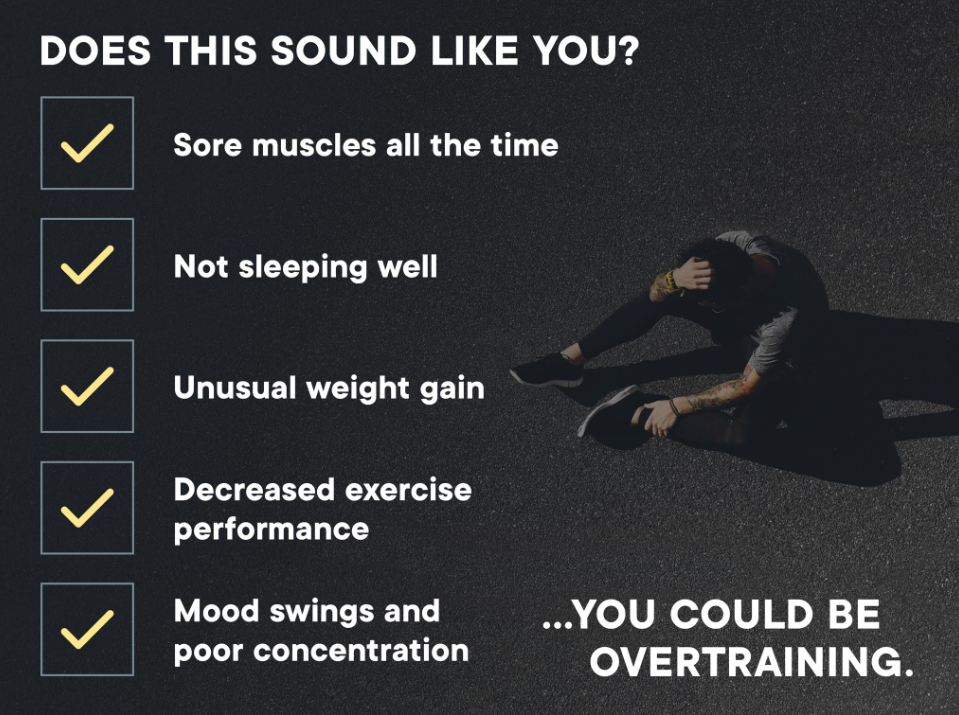
If several things begin changing at the same time, it’s worth paying attention.
Your Performance Is Going Backward
This is one of the biggest clues.
You aren’t simply having an off day.
Your normal pace feels harder.
Weights you’ve handled comfortably feel unusually heavy.
Your endurance drops.
You can’t reproduce the output you normally can.
And instead of improving after a reasonable recovery period, the decline continues.
Persistent performance impairment is one of the defining concerns in overtraining syndrome.
Fatigue Doesn’t Match the Workout
There’s normal fatigue.
You finish a hard workout and think, That was hard.
Then there’s the kind of fatigue where a workout that shouldn’t destroy you suddenly does.
You may feel drained before training even starts.
That’s different.
Recovery Between Workouts Gets Worse
You used to feel reasonably recovered after a day or two.
Now you’re still carrying fatigue into the next session.
Your legs feel heavy.
Your muscles stay sore.
Your motivation drops.
Your next workout suffers.
And then you start pushing harder because you think you’re falling behind.
That’s how the cycle can continue.
Sleep Changes
Sleep is one of the most important recovery systems you have.
If your training load increases while sleep quality or duration decreases, you’re changing the equation before you even step into the gym.
Sleep problems can have many causes, so they aren’t proof of overtraining by themselves.
But when sleep disruption appears alongside declining performance and persistent fatigue, it’s worth taking seriously.
Your Mood Changes
You may become unusually irritable.
You may lose enthusiasm for training.
Something you normally enjoy starts feeling like another obligation.
Again, that doesn’t automatically mean overtraining syndrome.
But mood changes can be part of the broader picture of maladaptation to excessive training stress.
You Keep Getting Sick or Beat Up
When you’re continually asking your body to recover from high demands without sufficient recovery capacity, your overall health can become part of the picture.
The important thing is not to assume that every illness or injury is caused by overtraining.
Instead, look at the pattern.
Performance down.
Fatigue up.
Recovery worse.
Sleep worse.
Mood different.
Injuries or illness becoming more frequent.
That’s when you stop and pay attention.

Overtraining Isn’t Always About Training
This might be the most important part of the conversation.
You can be under-recovered without dramatically increasing your workouts.
Imagine you normally train five days a week.
Then work becomes stressful.
You start sleeping six hours instead of eight.
You skip meals because you’re busy.
You reduce your carbohydrate intake while increasing endurance training.
You add a few extra conditioning sessions because you want to get in better shape.
Nothing individually seems catastrophic.
But collectively?
The equation has changed.
Your training load went up.
Your recovery capacity went down.
That’s the problem.
The overtraining consensus specifically recommends considering factors outside training—including inadequate calorie intake, insufficient carbohydrate or protein intake, iron deficiency, illness, and other conditions—when evaluating persistent performance decline.
So sometimes the answer isn’t:
“I need to train less.”
Sometimes it’s:
“I need to recover better.”
And sometimes it’s both.

Under-Fueling Can Make Training Feel Like Overtraining
This connects directly to the nutrition article we just covered.
You can only ask so much from a body that isn’t getting enough energy.
This becomes especially important when endurance training and muscle building are happening at the same time.
If you’re doing demanding endurance work while aggressively restricting calories or carbohydrates, you may struggle to maintain training quality and recover between sessions.
That doesn’t mean carbohydrates are magic.
It means nutrition has to match the work.
Low energy availability is a recognized concern in sport because inadequate energy relative to exercise demands can affect multiple physiological systems and performance. The IOC’s consensus on Relative Energy Deficiency in Sport describes consequences that can include fatigue, impaired performance, increased illness risk, and effects across multiple body systems.
This is why the question shouldn’t simply be:
“How little can I eat while still training?”
A better question is:
“What does my body need to support the work I’m asking it to do?”
That’s a completely different mindset.

Overtraining vs. Being Uncomfortable
Here’s another distinction worth making.
Training is supposed to be uncomfortable sometimes.
You don’t build endurance without breathing hard.
You don’t build strength without challenging your muscles.
You don’t improve conditioning without experiencing fatigue.
And you certainly don’t develop resilience by avoiding every uncomfortable sensation.
So how do you know when discomfort has crossed into a problem?
You look for patterns and context.
A hard workout followed by normal recovery?
That’s training.
A demanding training block followed by a planned recovery period and improved performance?
That can be productive overreaching.
Persistent fatigue and declining performance that don’t resolve as expected?
That’s different.
And if symptoms are persistent, severe, or interfering with normal life, that’s when it’s appropriate to involve a qualified medical or sports-medicine professional rather than trying to diagnose yourself from a checklist.
The distinction between nonfunctional overreaching and overtraining syndrome is difficult even clinically, and the consensus literature emphasizes exclusion of other medical and nutritional causes.
You don’t need to be afraid of training.
You need to become better at listening to your body.
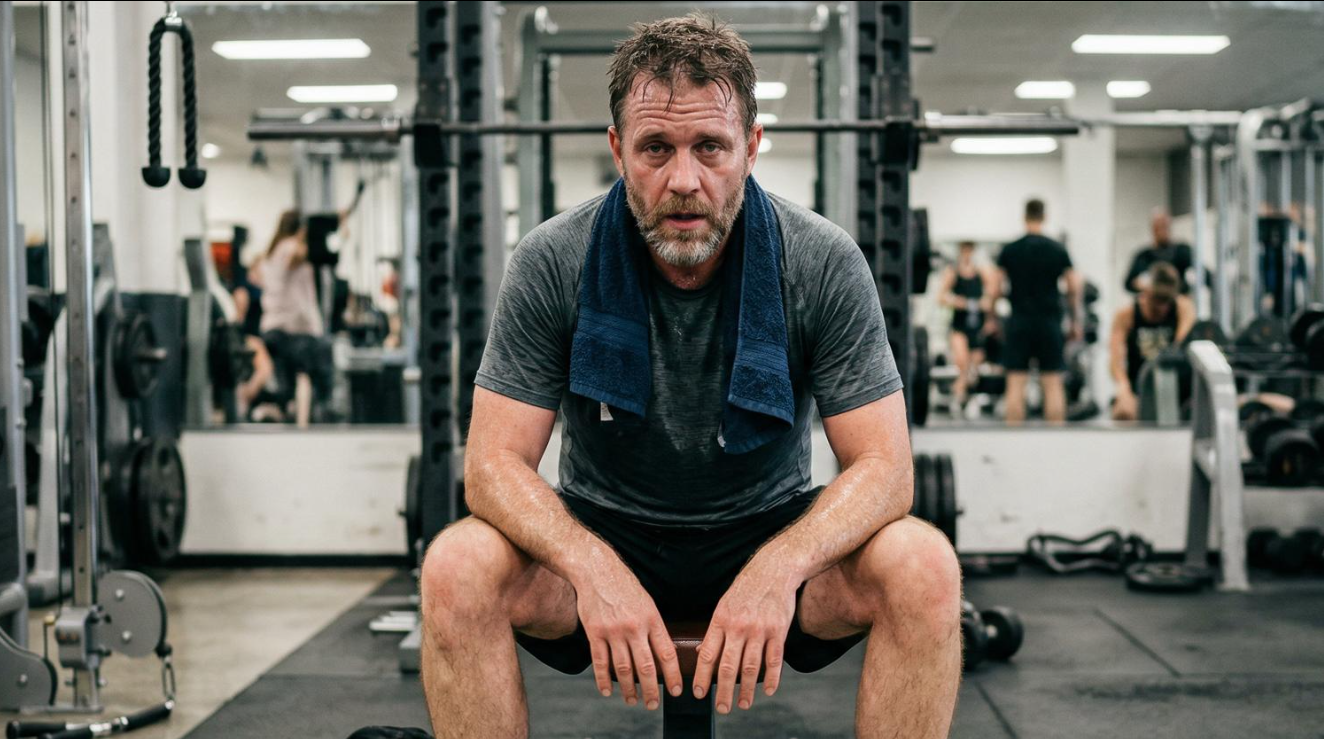
The Problem With Making Every Workout a Test
This is where I think a lot of people get trapped.
Every workout becomes a test.
How fast?
How heavy?
How many reps?
How destroyed can I get?
Did I beat yesterday?
Did I sweat enough?
Did I suffer enough?
But training isn’t supposed to prove how much punishment you can tolerate every single day.
Some days are for building.
Some days are for conditioning.
Some days are for skill.
Some days are for recovery.
And some days you’re simply not going to have your best performance.
That’s okay.
A smart training program doesn’t require you to win every workout.
It creates enough stimulus for adaptation without constantly demanding your maximum output.
The IOC has emphasized that inappropriate training-load management—including rapid changes in load and psychological stress—can contribute to illness and overtraining risk.
So instead of asking:
“How hard can I go today?”
Sometimes ask:
“What does my body need today?”
That’s not an excuse.
That’s awareness.
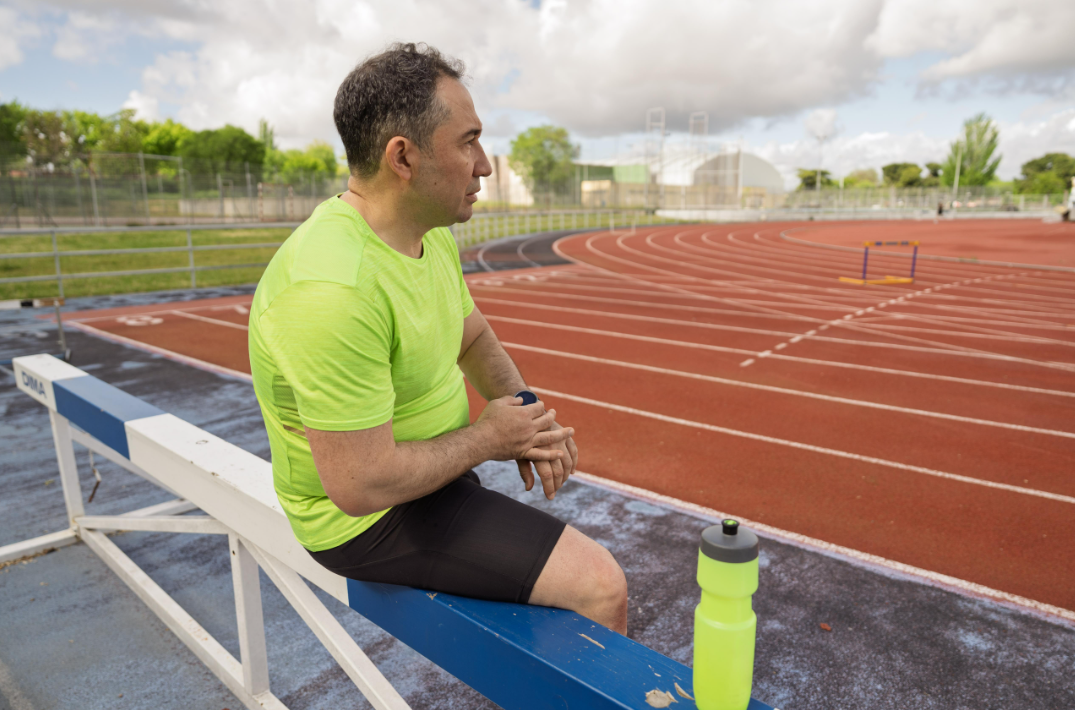
How to Manage Training Stress Without Quitting
You don’t have to choose between going all-out and doing nothing.
There is a middle ground.
Track How You Feel
You don’t need an expensive wearable to start.
Pay attention to:
- Energy
- Sleep
- Muscle soreness
- Motivation
- Performance
- Resting heart rate trends if you track them
- How difficult your normal workouts feel
- Mood
- Recovery between sessions
You’re looking for changes from your normal baseline.
Don’t Make Every Day a Hard Day
If every workout is intense, intensity loses its value.
Hard sessions should have a purpose.
Then give your body easier periods where it can recover and adapt.
Adjust Volume Before Abandoning Training
If you’re feeling beat up, you don’t necessarily have to stop moving.
You might reduce:
- Sets
- Repetitions
- Distance
- Conditioning volume
- Training frequency
- Intensity
You can still move while reducing the demand.
Eat Enough for the Work
Especially when endurance and strength are both part of your training.
Adequate energy, protein, carbohydrates, fluids, and electrolytes all matter.
Don’t assume that eating less automatically means better results.
Protect Sleep
This one isn’t complicated.
If your training increases but your sleep keeps decreasing, eventually something has to give.
Make sleep part of the program rather than something you squeeze in around the program.
Respect Pain and Persistent Symptoms
Fatigue from training and injury aren’t the same thing.
If pain persists, worsens, changes your movement, or you’re experiencing unusual symptoms, don’t try to out-discipline it.
Get it evaluated.

Overtraining After 40
There’s nothing magical about turning 40.
But your training strategy may need to become more intelligent as you get older.
You may still be capable of doing hard things.
You should be.
But the question becomes less about how much punishment you can absorb and more about how well you can stimulate, recover, and adapt.
Strength still matters.
Endurance still matters.
Mobility still matters.
Conditioning still matters.
But recovery becomes increasingly valuable because you want your training to support the life you’re trying to live rather than constantly interfering with it.
You don’t want to spend every day sore.
You don’t want every workout to require three days of recovery.
You want to be able to train today and still have something left for tomorrow.
That’s not backing off.
That’s building capacity.

The Goal Isn’t to Train Less. It’s to Adapt Better.
This is where the entire conversation comes together.
Training creates stress.
Stress creates a stimulus.
Recovery gives your body an opportunity to respond.
Nutrition provides resources.
Sleep supports restoration.
Your nervous system coordinates the whole process.
And then you adapt.
Challenge → Recover → Adapt → Challenge Again.
That’s the cycle.
If you remove recovery, you don’t necessarily get faster progress.
You can actually interrupt the process you’re trying to create.
The strongest person isn’t necessarily the one who can push hardest every day.
It’s the person who can train consistently enough, recover intelligently enough, and adapt over a long enough period to keep getting better.
That’s a completely different definition of toughness.
Here’s The Path
Maybe the hardest lesson in training is learning that more isn’t always better.
There will always be another workout you could do.
Another mile you could run.
Another set you could add.
Another number you could chase.
But your body has limits.
And those limits aren’t failures.
They’re information.
Sometimes your body is saying, Push.
Sometimes it’s saying, Slow down.
Sometimes it’s saying, Eat.
Sometimes it’s saying, Sleep.
Sometimes it’s saying, Give me another day.
Learning to hear that isn’t weakness.
It’s awareness.
And awareness is where better decisions begin.
The goal isn’t to avoid discomfort.
It’s to know the difference between productive discomfort and a body that’s asking you to pay attention.
Train hard when hard training serves the goal.
Recover when recovery serves the goal.
Fuel the work you’re asking your body to perform.
And remember that the real measure of training isn’t how destroyed you were today.
It’s whether you can come back tomorrow and continue building.
Challenge. Recover. Adapt. Repeat.
That’s how you build something that lasts.
The Research Behind This Article
Prevention, Diagnosis, and Treatment of the Overtraining Syndrome
“Prevention, Diagnosis, and Treatment of the Overtraining Syndrome: Joint Consensus Statement of the European College of Sport Science and the American College of Sports Medicine”
Medicine & Science in Sports & Exercise
This consensus statement provides one of the key frameworks for distinguishing functional overreaching, nonfunctional overreaching, and overtraining syndrome, while emphasizing the importance of balancing training stress with recovery and considering nutritional and medical causes of performance decline.
Recovery and Performance in Sport
“Recovery and Performance in Sport: Consensus Statement”
International Journal of Sports Physiology and Performance
This consensus statement examines the relationship between training load, recovery, fatigue, performance, illness, and overtraining, emphasizing that recovery must be considered alongside training and other life demands.
Load Management and Risk of Overtraining
“How Much Is Too Much? (Part 2) International Olympic Committee Consensus Statement on Load in Sport and Risk of Illness”
British Journal of Sports Medicine
This consensus statement examines how inappropriate training and competition load, rapid changes in load, psychological load, and other factors can contribute to illness and overtraining risk.
Relative Energy Deficiency in Sport
“2023 International Olympic Committee’s (IOC) Consensus Statement on Relative Energy Deficiency in Sport (REDs)”
British Journal of Sports Medicine
This consensus statement explains how inadequate energy availability relative to exercise demands can affect health and performance across multiple physiological systems, making adequate fueling an important part of the training-and-recovery equation.
Read the IOC consensus statement
Continue Your Journey
If you’re learning how to balance training, recovery, and performance, these are natural next steps:
- How Strength Training Helps Regulate Your Nervous System
- Exercise Recovery Tips: 7 Proven Ways to Recover Faster
- Coordination Exercises: Train Your Brain to Move Better
- Balance Training: Unlock Hidden Stability and Strength
- Isometric Exercises: The Hidden Nervous System Benefits You Need
Start Here
Start building a stronger foundation with the FREE Full Armor Nervous System Reset Guide.
It’s built around simple daily practices that support nervous system regulation, recovery, and resilience.
Get the FREE Full Armor Nervous System Reset Guide
If You Want To Go Deeper…
The Full Armor 21 Day Method helps you put these principles into practice through a daily framework focused on nervous system regulation, movement, recovery, intentional habits, and building resilience.
No responses yet